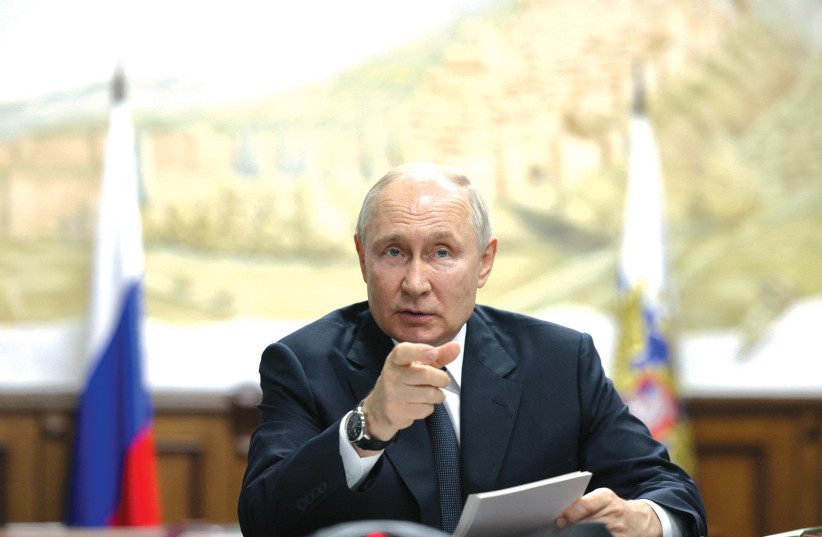
World leaders convened in New Delhi for the two-day G20 Summit, but Putin was noticeably absent from the gathering. Due to a disagreement over whether South Africa would be required to detain Putin in accordance with an International Criminal Court (ICC) warrant, he also skipped the BRICS summit in Johannesburg.
In March, the ICC issued an arrest warrant for Putin on charges that he committed the war crime of forcible deportation of Ukrainian children. However, the Kremlin maintains that the warrant for Putin is “void”.
Despite the fact that Brazil is a signatory to the ICC, Lula stated on Saturday that Putin will be invited to the conference in Rio de Janeiro the following year.
“We value tranquility and good human relations. Therefore, I think Putin can travel to Brazil with ease,” he remarked.
“There is no way that he will be arrested if I am the president of Brazil and he comes to Brazil.”
Additionally, Lula declared that he would go to a BRICS summit in Russia the following year.
The G20 meeting is taking place in India amid tense relations between Moscow and the West over the situation in Ukraine, which led to significant tensions at the conference in Bali the year before.
The West backed down in order to obtain agreement on the Delhi Declaration while pushing for a stronger denunciation of the war in Ukraine in the G20 communique. The G20 nations approved a statement that avoided criticizing Moscow for its involvement in the conflict in Ukraine while urging other states to abstain from using force to seize territory.
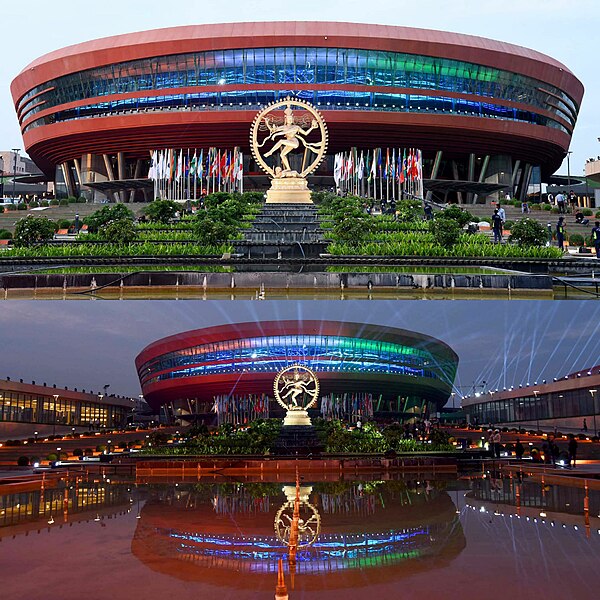
Updates on the G20 Summit PM Modi expressed optimism that the G20 Summit in 2023 will pave the way for innovative, inclusive, and human-centered development. The 18th G20 Summit, which starts on Saturday, September 9, will bring together Prime Minister Narendra Modi, US President Joe Biden, British Prime Minister Rishi Sunak, and other international leaders at the expansive Bharat Mandapam in New Delhi’s Pragati Maidan.
The host nation, India, struggled for last-minute agreement on contentious subjects including the Ukraine war, climate change, and global governance as the national capital was spruced up and somewhat depopulated for the huge world event.
Leaders have already received warnings from UN Secretary-General Antonio Guterres that their disagreements run the risk of igniting conflict and undermining public confidence.
The decision by Chinese President Xi Jinping to boycott the summit and send his Premier Li Qiang in its place diminished the significance of the G20 Summit even before it started.
Although Xi’s absence was not officially explained, Beijing and New Delhi have been at odds over a border issue.
However, Modi expressed optimism that the conclave will forge new ground in development that is both human-centered and inclusive. The top G20 representatives from India stated at a news conference on the eve of the two-day summit that the Declaration was “almost ready” and that they were hopeful of reaching a consensus on a joint communique while declining to get into the specifics of contentious issues like the Russia-Ukraine war and climate-related topics.
The G20 Summit’s complete schedule is provided below:
Day 1 (September 9)
9:30 a.m. to 10:30 a.m. Leaders and delegation heads arrive at Bharat Mandapam, the location of the summit, and are greeted by the Prime Minister in a welcoming photo in the Tree of Life Foyer. Leaders and delegation heads then gather in the Leaders’ Lounge on Level 2 of the Bharat Mandapam.
10:30 a.m. to 1:30 p.m.: A working lunch will be followed by the opening session, titled “One Earth,” at the Summit Hall at Bharat Mandapam.
There will be several bilateral meetings from 13:30 to 3:30.
3:30 to 4:45 p.m.: The summit’s second session, titled “One Family,” will take place before the leaders depart for their hotels.
The arrival of delegation heads and leaders between 7 and 8 p.m. for dinner, which is preceded by a welcoming photo.
8 to 9 p.m.: The leaders will converse over supper while they eat.
Leaders and delegation heads will gather in the Leaders’ Lounge at Bharat Mandapam from 9 p.m. to 9:45 p.m. to wrap off the day.
Day 2 (September 10)
8:15 to 9 a.m.: Leaders and delegation heads arrive at Rajghat in their own motorcades, and the peace wall is signed inside the Leaders’ Lounge.
9 am to 9:20 am: At Mahatma Gandhi’s Samadhi, world leaders will lay wreaths. There will then be a live performance of some of Gandhi’s favorite devotional songs. Leaders and delegation heads will then relocate to the Leaders’ Lounge at the Bharat Mandapam.
Arrival of delegation leaders between 9:40 and 10:15 a.m. at Bharat Mandapam.
The tree-planting event at South Plaza of Bharat Mandapam from 10:15 to 10:30 a.m.
10:30 a.m. to 12:30 p.m.: The summit’s third session, titled “One Future,” will be held there. The New Delhi Leaders’ Declaration will then be adopted.
The Bombay High Court has strongly criticized the practice of accepting documents submitted by litigants in sealed covers. A division bench consisting of Justices GS Patel and Kamal Khata emphasized that this practice violates principles of fair justice, transparency, and prejudices the opposing side in the case.
Fair Justice and Transparency
The bench declared that courts should not allow litigants to submit information in sealed covers, as it contradicts the fundamental concepts of fair justice, openness, and transparency in the judicial process. No party should rely on sealed cover material to the detriment of the opposing side, and no court should permit it.
Case Background
The case that prompted this observation involved Sonali Tandel challenging an order from the Chief Executive Officer of the Maharashtra Housing and Area Development Authority (MHADA) regarding flat allocation. Tandel claimed to have suffered prejudice by being denied transit rent and the entitled flat.
Disapproval of the Practice
The court disapproved of the practice of accepting documents in sealed covers without comments and clarified that it would not allow such submissions. It emphasized that if a party sought immunity from disclosures, it must request a judicial order, and a party could not decide unilaterally what to disclose, especially when the court ordered disclosure on affidavit.
Emphasis on Judicial Orders
The court stressed that parties must comply with judicial orders regarding disclosures and underscored that non-compliance could lead to contempt actions.
This decision aligns with the broader principle of transparency and fairness in the legal process and reinforces the importance of open disclosure and equal access to information in litigation.
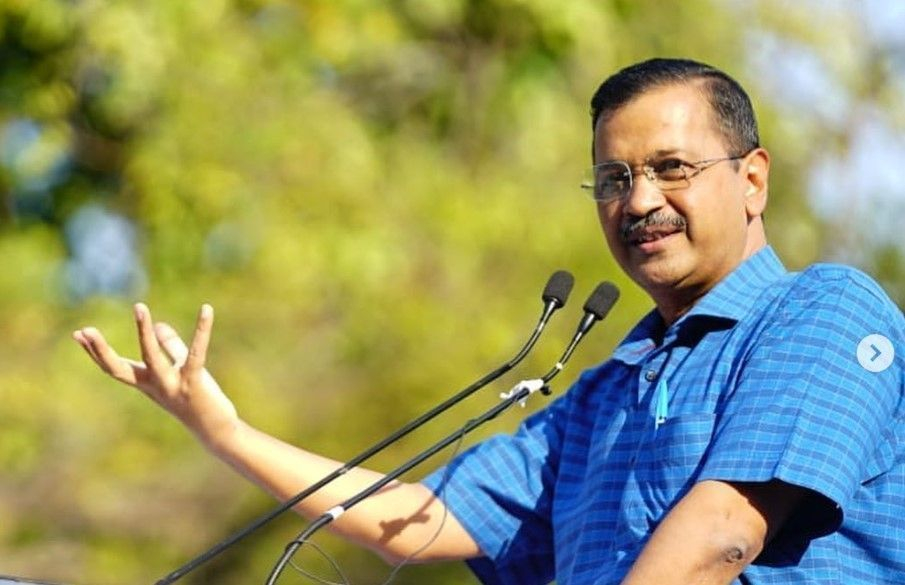
An Ahmedabad Sessions Court has reserved its order on a revision application filed by Delhi Chief Minister Arvind Kejriwal and Member of Parliament Sanjay Singh. The application challenges the summons issued against them by a Magistrate court in a defamation case related to their alleged defamatory statements concerning Prime Minister Narendra Modi’s academic degree.
Summons Issued by Magistrate Court The case revolves around a defamation complaint filed by Gujarat University against Kejriwal and Singh for allegedly defaming the university. The university sued the two politicians for derogatory remarks made against it due to the alleged non-disclosure of Prime Minister Modi’s degree.
Prima Facie Defamatory Statements In April of this year, Additional Chief Metropolitan Magistrate Jayeshbhai Chovatiya issued summons against Kejriwal and Singh, stating that their statements were prima facie defamatory. The magistrate based this decision on oral and digital evidence, including Kejriwal’s tweets and speeches following a Gujarat High Court judgment.
High Court’s Decision The Gujarat High Court had ruled in favor of the university, stating that it was not obligated to disclose Prime Minister Modi’s degree. Additionally, the High Court imposed a fine of ₹25,000 on Kejriwal. The magistrate considered this judgment and noted that the accused politicians, as educated political office bearers, were aware of the impact of their statements on the public.
Awaiting the Sessions Court’s Decision The Ahmedabad Sessions Court, presided over by Additional Sessions Judge JM Brahmbhatt, is expected to announce its decision on September 14. Kejriwal and Singh have challenged the summons through their advocate Aum Kotwal, highlighting the importance of this case in the context of defamation and political discourse.
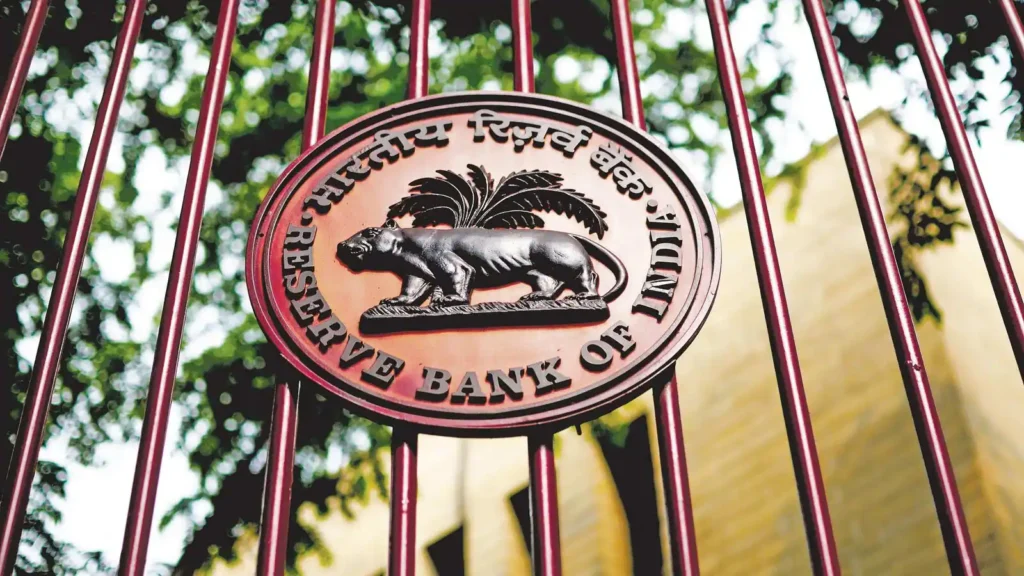
The Reserve Bank of India (RBI) appears to have extended its efforts to prevent the rupee from reaching record lows to currency futures, according to three bankers and two analysts. This move comes amidst concerns over heightened volatility in the currency market due to rising crude oil prices and U.S. yields.
Unusual Surge in Open Interest
An unusual surge in open interest has been observed in September USD/INR futures over the last three sessions on the National Stock Exchange, representing a significant portion of open interest in rupee futures. Experts suggest that this substantial increase in open interest is highly unusual and may indicate RBI’s intervention to curb volatility.
Possible RBI Selling
Futures traders have noticed occasional dips of 2 to 3 paisa in USD/INR currency futures, along with slight deviations from the spot over-the-counter (OTC) price. This, coupled with the surge in open interest, has led to speculation that the RBI may be actively selling in the currency futures market.
Speculation and Hedging
Part of the increased open interest can be attributed to speculators chasing the USD/INR higher and some hedging activities following the breach of the 83 mark. While these factors may contribute to the rise in open interest, the presence of the RBI in the currency futures market suggests efforts to stabilize the rupee amidst external pressures.
RBI’s Response
As of now, the RBI has not officially commented on its involvement in currency futures. However, this move underscores the central bank’s commitment to safeguarding the rupee’s stability in the face of external economic challenges and fluctuations.
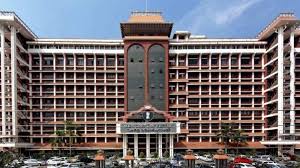
The Kerala High Court has rejected a plea filed by a lawyer that accused Justice Mary Joseph of listing an insufficient number of cases each day. The court’s decision came on Friday, and it strongly asserted that the petition had been filed with malicious intent to defame Justice Joseph.
Malafide Intentions
The High Court, in its judgment, noted that the petition was driven by malafide intentions, aimed at tarnishing the reputation of Justice Mary Joseph. Such accusations against the judge were found to be baseless and without merit.
Allegations of Limited Case Listings
The lawyer’s plea had alleged that Justice Joseph listed a very limited number of cases daily, implying inefficiency or bias. However, the court’s dismissal of these allegations reaffirms its confidence in the judge’s professional conduct and commitment to justice.
Preservation of Judicial Integrity
The Kerala High Court’s decision not only upholds the integrity of its judicial processes but also sends a clear message that unfounded accusations against judges will not be tolerated.
Protection of Reputation
Justice Mary Joseph’s reputation remains untarnished, as the court has conclusively rejected the claims made against her.
This judgment underscores the importance of upholding the dignity and integrity of the judicial system while protecting the reputation of judges from baseless allegations.
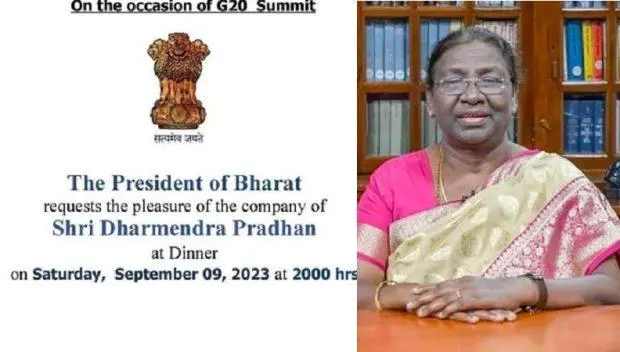
Live updates from the G20 Summit in Delhi 2023 reveal that Prime Minister Narendra Modi and President Murmu are extending a warm welcome to distinguished guests at Bharat Mandapam. The event precedes a special G20 dinner, setting the stage for critical discussions among global leaders.
Opening Remarks by PM Modi In his opening remarks at the G20 Leaders’ Summit, held at Bharat Mandapam, PM Modi extended a cordial invitation to the African Union, inviting them to assume their permanent seat as a member of the G20. This move signifies India’s commitment to fostering inclusivity within the G20.
A Historic Moment The presence of the African Union as a permanent member at the G20 Summit is a historic development that underscores the importance of global cooperation and representation.
Crucial Discussions Ahead As leaders gather in Delhi, the stage is set for crucial discussions on a wide range of global issues, from economic challenges to climate change and geopolitical dynamics. The G20 Summit serves as a pivotal platform for nations to collaborate and address pressing concerns.
A Momentous Occasion The G20 Summit in Delhi 2023 is a momentous occasion that holds the potential to shape global policies and initiatives for the years to come. As leaders convene, the world watches with anticipation for the outcomes of these significant deliberations.
The G20 Leaders’ Summit promises to be an event of great significance, addressing the challenges and opportunities that define the world’s current geopolitical landscape.
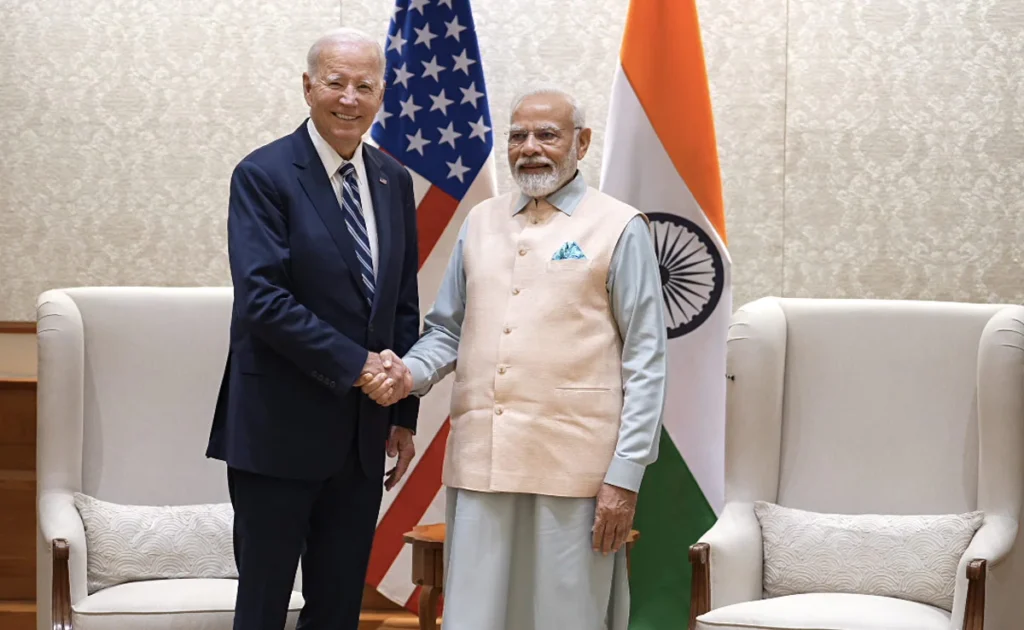
Bilateral Meeting Agenda Prime Minister Narendra Modi and US President Joe Biden are set to hold a bilateral meeting on the sidelines of the G20 Summit in 2023. The discussions will encompass a wide range of topics, including high-tech cooperation under the Initiative on Critical and Emerging Technology (iCET), trade, procurement of MQ-9B armed drones, jet engine manufacturing, and civil and nuclear liability agreements.
Building on Previous Commitments The meeting is expected to build upon the progress made during Modi’s visit to Washington DC in June, focusing on strengthening high-tech cooperation. This includes advancements in critical and emerging technologies.
Global Concerns in Focus In addition to economic and technological matters, the leaders will address global issues, such as the situation in Ukraine, US-China relations, and complexities surrounding India-China relations, particularly along the Line of Actual Control (LAC). Discussions regarding the India-US nuclear deal and civil nuclear liability agreement are also on the agenda, along with announcements of new investments.
Trade Challenges and Opportunities Trade-related issues will play a significant role in the talks. Recent developments include the withdrawal of WTO cases by the US against India and India’s reduction of tariff increases on certain US commodities. The US is keen on India’s participation in the Indo-Pacific Economic Forum’s ‘Trade’ pillar, a prospect that India has been cautious about embracing.
Acquisition of Armed Drones The Defence Ministry is preparing to issue a Letter of Request (LoR) for the acquisition of 31 General Atomic MQ-9B armed drones for the Navy, Army, and Air Force, with an estimated cost of around US$ 3 billion. The deal is expected to be formally announced when President Biden visits India in January as the Chief Guest for Republic Day.
Addressing Nuclear Concerns Both countries are looking to overcome obstacles related to India’s nuclear liability legislation. Collaboration on Small Modular Reactors has been announced to enhance nuclear cooperation.
Jet Engine Manufacturing General Electric (GE) and Hindustan Aeronautics Limited (HAL) have signed an MoU to manufacture the 414 jet engine in India, powering India’s indigenous Light Combat Aircraft (LCA)-MK2. The contract, approved by the US Congress, is set to be finalized soon, with GE sharing critical technologies with HAL for manufacturing.
The bilateral meeting holds significant implications for India-US relations and cooperation on various fronts.
The Kerala High Court has called upon the Commissioner of Food Safety to respond to a petition seeking action against the use of uncoated papers and newsprints for packaging food at restaurants. Justice Devan Ramachandran emphasized the vital role of the Food Commissioner in ensuring public health and safety, particularly in restaurants, regardless of their prestige.
Urgency Due to Pandemic Justice Ramachandran highlighted the increased distribution of food parcels during the COVID-19 pandemic and the lack of specific instructions regarding safe food packaging. The judge deemed the matter of grave public concern, warranting immediate attention.
Petition Background The petition, filed by Nebu Thomas Cherian, proprietor of Anna Polymers, a compostable paper plate manufacturer, alleges widespread violations of the Food Safety and Standards Act (FSSA) and the Food Safety and Standards (Packaging) Regulations in Kerala. These violations involve the use of non-food grade, non-grease-proof papers for food packaging, even for oily snacks served on newsprint papers.
Concerns and Legal Obligations The petitioner argues that non-compliance with food safety standards allows unscrupulous manufacturers to use unsuitable materials for food packaging, potentially jeopardizing public health and the environment. The petition emphasizes the duty of the Kerala Commissioner of Food Safety to enforce FSSA 2006 and the Food Safety and Standards (Packaging) Regulations of 2018.
Violation of Regulations and Constitutional Rights Furthermore, the petition contends that certain manufacturers persist in bypassing the ban on single-use plastic products coated with wax, violating the Plastic Waste Management Rules. This not only endangers public health but also infringes upon the petitioner’s rights as a legal manufacturer adhering to prescribed regulations, violating Article 21 and Article 19(1)(g) of the Constitution.
The case is set to be heard again on September 25, with the petitioner seeking a directive for the enforcement of FSSA 2006 and the Food Safety and Standards (Packaging) Regulations, 2018.
The petitioner was represented by advocates Sneha MS, G Hariharan, Praveen H, KS Smitha, TT Shaniba, and Amal Dev D.
The Madras High Court has taken a stern stance against the Directorate of Vigilance and Anti-Corruption (DVAC) by initiating two more suo motu revision cases. These cases are related to the discharge of Tamil Nadu Minister I Periyasamy and All India Anna Dravida Munnetra Kazhagam (AIADMK) leader B Valarmathi in separate investigations. Justice N Anand Venkatesh, presiding over these cases, expressed deep concern about the politicization of the DVAC.
Justice Venkatesh’s Alarming Observations
Justice Venkatesh did not mince words in his observations, describing the situation as “hopeless” and “shocking.” He expressed frustration at the continuous discharge of politicians in corruption cases, raising questions about undue political influence on the DVAC and subordinate courts. Despite the bleak scenario, he emphasized the need to rectify the problem.
Call for Systemic Change
Justice Venkatesh suggested the necessity of establishing a system akin to Karnataka’s Lokayukta to address such issues effectively. He voiced concerns about the reluctance of legislators to face trial, leading to a series of revision cases. He emphasized that he was addressing a systemic problem rather than being a personal issue.
Previous Cases and Controversies
Justice Venkatesh had previously initiated suo motu revision cases against the discharge of prominent figures, including Tamil Nadu Minister K Ponmudi, former Chief Minister O Paneerselvam, and Ministers KSSR Ramachandran and Thangam Thennarasu in various disproportionate wealth and corruption cases.
DVAC’s Call for Recusal
Notably, the DVAC had requested Justice Venkatesh to recuse himself from hearing the revision petition against the acquittal of Minister Ponmudi and his family members in a disproportionate assets case. The DVAC argued that the judge lacked suo motu revisional jurisdiction and should have issued notice to the High Court on the administrative side before taking action.
The developments underscore the ongoing challenge of ensuring fair and unbiased handling of corruption cases involving politicians in the state of Tamil Nadu.