by gopal.krishna185handsome african university law school graduate
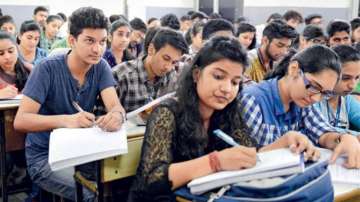
In a significant reversal of its earlier stance, the University Grants Commission (UGC) has filed an affidavit in support of Delhi University’s (DU) decision regarding admissions to its newly introduced five-year integrated law courses. The UGC now permits DU to consider this year’s Common Law Admission Test (CLAT) scores for admissions, in contrast to the previously mandated Common University Entrance Test (CUET) scores.
Background
Initially, the UGC had stipulated that for undergraduate (UG) and postgraduate (PG) admissions in central universities, including DU, CUET scores were mandatory. This decision had raised concerns, particularly for DU’s law courses, as CLAT is a well-established and widely recognized entrance examination for legal education.
UGC’s Reversal
In response to the situation, the UGC has now filed an affidavit before the Delhi High Court, expressing its support for DU’s choice to utilize CLAT scores for admissions to the five-year integrated law programs. This change of stance acknowledges the importance and credibility of CLAT scores in the context of legal education admissions.
Impact
The UGC’s reversal will provide relief to aspiring law students seeking admission to DU’s prestigious law programs. They can now utilize their CLAT scores, a widely accepted benchmark in the field, to gain admission to these courses.
Conclusion
This development underscores the importance of flexibility and responsiveness in educational policymaking, ensuring that students have access to recognized and reliable assessment methods for admissions into their chosen fields of study.
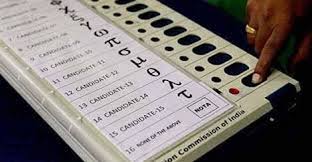
In preparation for the upcoming Assembly Elections in 2023, the Election Commission of India (ECI) has introduced innovative measures to enhance transparency and accessibility for voters in Rajasthan. These measures include live webcasting in over 50% of polling booths and the launch of a voter helpline app.
Live Webcasting for Transparency The ECI organized a workshop in Jaipur to inform political parties and voters about the latest orders and circulars issued by the commission. Chief Electoral Officer Praveen Gupta addressed political parties and discussed strategies for the elections. One of the significant announcements made during the workshop was the implementation of live webcasting in polling stations. This initiative aims to ensure transparency during the elections and facilitate monitoring of the voting process by the Election Commission.
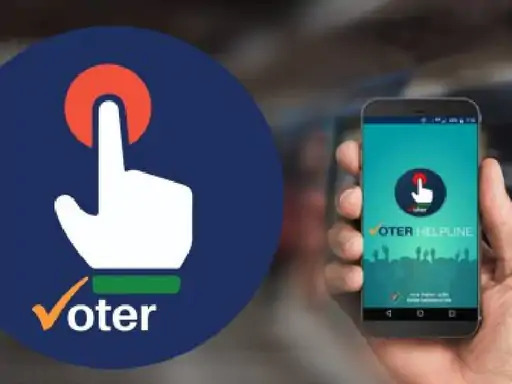
Voter Helpline App To empower voters with information and facilitate their participation in the electoral process, the ECI has introduced a voter helpline app. This app will provide voters with essential election-related information, including polling timings, name additions, and amendments, via SMS on their registered mobile phones. Additionally, voters can download the e-EPIC (Electronic Electoral Photo Identity Card) for more election-related information.
Promoting Voter Awareness The workshop also highlighted the success of the voter helpline number, which proved effective during the Karnataka elections, with nearly 12,121 calls received from voters seeking information about elections. The ECI will provide political parties with information on election expenses, Model Code of Conduct (MCC), media certification and monitoring committees (MCMC), fake news, electoral lists, home voting, and various IT apps designed to support the electoral process.
Innovations and Grievance Redressal The Election Department in Rajasthan has made innovative changes to the Model Code of Conduct, Systematic Voters’ Education and Electoral Participation (SVEEP) program, and Grievance Redressal Portal. Voters can now use the C-Vigil app to file complaints regarding violations of the Model Code of Conduct by uploading videos, audio recordings, or photos as evidence. Additionally, voters can easily check their voter registration status by scanning the barcode or QR code for election-related information.
These initiatives aim to enhance the electoral experience for voters in Rajasthan and promote transparency and accessibility in the democratic process.
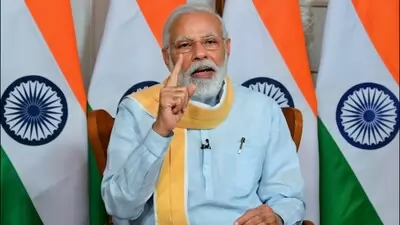
The recent success of the G20 Summit, hosted by India, has provided the Bharatiya Janata Party (BJP) with an opportunity to reshape the narrative ahead of the crucial 2024 Lok Sabha elections. Prime Minister Narendra Modi’s leadership on the global stage, as evidenced by the G20 Summit, is being leveraged by the BJP to bolster his image as a “Vishwa Guru” (World Leader). This strategic shift aims to divert attention from domestic challenges and focus on India’s global standing.
Modi’s Vision as ‘Vishwa Guru’ Prime Minister Modi has consistently emphasized India’s role as a global leader or “Vishwa Guru.” In his G20 Summit address, he referenced India’s ancient teachings of promoting the welfare and happiness of humanity, reinforcing the nation’s historical commitment to global well-being.
Electoral Benefits of Modi-Centric Campaign Historically, elections in India have shown that the BJP benefits electorally when the conversation centers around Prime Minister Modi. The party has effectively used Modi’s leadership and achievements as a key campaign strategy. In the run-up to the 2019 Lok Sabha elections, Modi’s prominence in election discourse was instrumental in the BJP’s victory.
G20 Success as Election Fodder The BJP plans to prominently feature the G20 Summit’s outcomes and key takeaways in its election outreach campaigns. The party views the summit’s achievements, including consensus on contentious issues like the Russia-Ukraine conflict, as evidence of Modi’s globally accepted leadership.
BJP’s New Narrative BJP President JP Nadda and Defence Minister Rajnath Singh have praised Prime Minister Modi for the successful G20 Summit. They highlighted India’s role as a global leader and Modi’s inclusive and people-centric approach. The party aims to showcase India’s emergence as a voice for the Global South and its ability to foster cooperation among nations for a better future.
Special Parliamentary Session The G20 Summit precedes a special session of Parliament, generating speculation about significant policy announcements. The BJP may introduce measures like “One Nation One Election,” renaming India to Bharat, and early Lok Sabha elections. Full statehood for Jammu and Kashmir and the implementation of a Uniform Civil Code are also under discussion.
Anticipation of Game-Changing Moves Some BJP leaders anticipate “big-ticket” decisions that could impact the Lok Sabha elections. Possibilities include Women’s Reservation and other transformative policies. The agenda of the special session remains undisclosed, creating intrigue in political circles.
According to data issued on Tuesday by the Ministry of Statistics and Programme Implementation, retail inflation in India decreased by 61 basis points from the 15-month high of 7.44 percent in July to 6.83 percent in the month of August. Vegetable prices were mostly in charge of this, with some moderation in the cost of rent, clothing, footwear, and other non-essential purchases as well.
This is the fourth consecutive month that inflation readings have exceeded the RBI’s upper tolerance limit. The RBI is required to keep retail inflation between 2 and 6 percent, and although spending most of the 2022–23 fiscal year above the upper limit, inflation was within the comfort range for the central bank this fiscal year until June, when it was 4.87 percent.
The food basket, which makes up about half of the total consumer price basket, saw a decrease in CPI-based inflation to 9.94% from 11.51% the previous month. Vegetable basket inflation in August was 26.14 percent, spice basket inflation was 23.19 percent, pulse basket inflation was 13.04 percent, cereal basket inflation was 11.85 percent, and fruit basket inflation was 4.05 percent. Housing inflation was 4.38 percent, fuel and light inflation was 4.31 percent, and the inflation rate for apparel and footwear was 5.15 percent.
About 54% of the total CPI is contributed by the food and beverage sector.
When the RBI MPC decided to maintain the key policy repo rate at 6.5 percent earlier in August, RBI Governor Shaktikanta Das stated that a significant rise in headline inflation would take place soon.
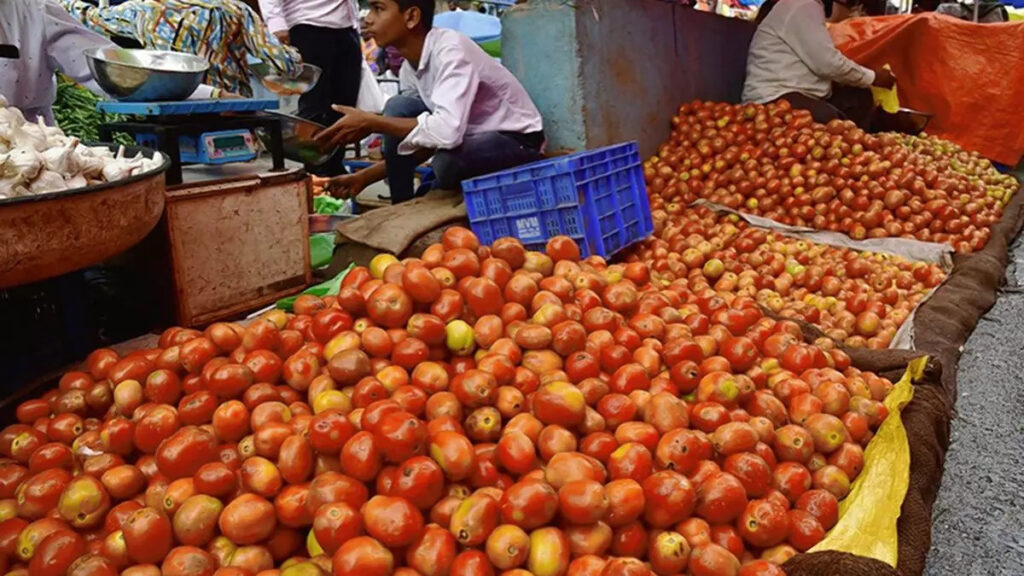
According to the governor of the RBI, the headline inflation rate moderated to 4.6% in Q1 2023–2024, which was consistent with the predictions made at the June MPC meeting. “Food inflation increased, causing the headline inflation rate to rise to 4.8% in June. Positively, core inflation, which measures inflation excluding food and fuel, has decreased from its most recent peak in January 2023 by more than 100 basis points. Food inflation has been highlighted in July, particularly because of vegetables. The spike in tomato prices, he had noted, as well as the continued price increases for grains and pulses, had all contributed to this, and as a result, there would be a significant rise in headline inflation.
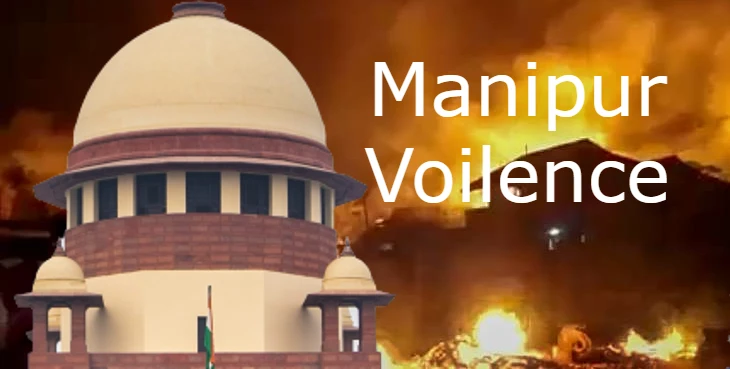
The Supreme Court of India has expressed deep concern over the safety of lawyers unable to appear before the Manipur High Court due to ethnic violence in the state. The Court has taken notice of this matter and issued orders to safeguard two individuals who claimed they could not engage lawyers to seek protection from arrest in separate criminal cases filed against them in Manipur. Chief Justice of India Dhananjaya Y Chandrachud, leading the bench, sought a response from the state government and emphasized the seriousness of the situation if lawyers are unable to practice their profession.
Petitioners’ Cases One of the petitioners, retired Army Colonel Vijaykant Chenji, faced arrest in a police case filed last month, accusing him of waging war against the government and promoting enmity between different groups. The second petitioner, Professor Henminlun, faced similar charges.
Lawyers’ Safety Concerns Senior advocate Anand Grover, representing both petitioners, informed the Court that the lawyers who were supposed to appear in their cases before the Manipur High Court expressed their inability to do so. Following this, the lawyers withdrew from the cases, and their homes were vandalized. One lawyer sought refuge in a paramilitary camp due to safety concerns.
Court’s Response The Supreme Court allowed Anand Grover to file an affidavit affirming these facts and set the next date of hearing for September 22. The Court expressed the need to ensure people are represented in court and stated that once they receive a response from the state government, instructions will be passed to the registrar-general of the Manipur High Court.
Government’s Perspective Solicitor General Tushar Mehta, representing the Manipur government, highlighted a pattern being portrayed by certain individuals. While he was not familiar with the specific case, Mehta informed the bench that the Manipur High Court is fully functional, and lawyers can appear either physically or virtually. He suggested that the Supreme Court’s Secretary General should contact the High Court’s registrar general to obtain a detailed report.
Supreme Court Bar Association’s Resolution An important point raised during the hearing was the Supreme Court Bar Association’s recent resolution condemning the mob vandalism at the house and office of lawyer Soraisham Chittaranjan in Imphal. Chittaranjan had been targeted after representing a Kuki academic in a case.
Conclusion The Supreme Court’s intervention in this matter highlights the significance of ensuring the safety and professional practice of lawyers amid ethnic violence in Manipur. The Court awaits the state government’s response and will assess the situation to determine appropriate actions, prioritizing the welfare of individuals involved.
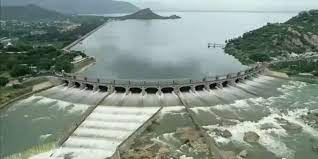
Karnataka’s Deputy Chief Minister and Water Resources Minister, D.K. Shivakumar, has stated that the state is unable to release Cauvery river water to neighboring Tamil Nadu due to insufficient water storage caused by inadequate rainfall in the river basin region. This declaration follows a recommendation by the Cauvery Water Regulation Committee (CWRC) that Karnataka release 5,000 cusecs of water daily to Tamil Nadu for the next 15 days.
Water Scarcity in Karnataka Shivakumar emphasized that Karnataka currently lacks the necessary water resources to fulfill this recommendation. He stated that the matter will be presented to the higher committee, the Cauvery Water Management Authority (CWMA), where Karnataka’s Secretary is a member. The Deputy Chief Minister clarified that Karnataka would not be able to release water, with priority given to ensuring drinking water availability over agricultural needs.
Supreme Court’s Position Shivakumar noted that the Supreme Court has already conveyed that it will not interfere in the matter, leaving it to the technical committees to decide. He emphasized the difficulty of releasing water given the current situation.
Appeal for Cooperation Regarding any potential legal battles, Shivakumar appealed to the people and opposition parties to cooperate in protecting the state’s interests. He refrained from accusing the committees of political motives, stating that they hold responsible positions and include officials from the central government and both states.
Tamil Nadu’s Plea Tamil Nadu has approached the Supreme Court, requesting a directive to Karnataka to release Cauvery water for standing crops. The case is expected to be heard in the Supreme Court in the coming week.
BJP’s Support Karnataka BJP president Nalin Kumar Kateel urged the state government not to release water to Tamil Nadu and expressed the party’s commitment to stand with the government in any legal battle on the issue. Kateel emphasized the need to protect the state’s interests, particularly in light of drought conditions and a shortage of drinking water.
The Nagpur bench of the Bombay High Court ruled that a first information report (FIR) against steel trader Pankaj Mehadia and two other people must include an “intention of deceit at the very inception to constitute an offense” in order to be upheld.
Sections 420, 406, 409, and 120-B of the Indian Penal Code (IPC) and Section 3 of the Maharashtra Protection of Interest of Depositors Act (MPIDA) were used to register the FIR on November 2, 2021.
The panel ruled that there must be malicious intent in order for cheating and breach of trust to be crimes.
The Nagpur bench of the Bombay High Court cited the Supreme Court decision in the Vijay Kumar Ghai v. State of West Bengal case when it stated that “even if the intention to deceive develops later, it does not amount to an offense under the Act.”
The Bench stated, “The core of the aforementioned criminal clauses is the dishonest intention from inception, which is fundamentally absent in the case.
The high court further stated that criminal prosecution should not be used as a tool for vengeance.
The applicant’s attorney informed us that the transactions between the applicant and the complainant were of a civil character.
There has been no disagreement over the applicants’ assurance payments from 2004 to 2017. Every time they have failed to keep their word, no criminal charges have been brought against them because their initial goal was not to defraud.
Both parties had also engaged in a deed of settlement, and the applicants had presented post-dated checks and a demand draft totaling Rs 50 lakh to demonstrate their legitimacy.
“In the case at hand, applicants took a step forward by entering into a Deed of Settlement,” the court stated in the aforementioned instance. By no means is it possible to say that the applicants had ulterior motives for the entire transaction from the beginning, that is, starting in the year 2004 . The fact that applicants will pay guaranteed interest for 12 years demonstrates their desire to keep their word. The aforementioned aspect alone shows that candidates had no intention to conduct dishonestly or fraudulently.
In addition, the HC emphasized that the prosecution had not established a strong enough case to move on at this stage. The HC has approved and dismissed this criminal application in light of the foregoing.
Senior officials from the Bihar Public Service Commission (BPSC), the Department of Education, and the Bihar School Examination Board (BSEB) held discussions to address the modalities for announcing the results of the recent Teachers’ Recruitment Test (TRE). This test aimed to fill 1.70 lakh teaching positions across primary, secondary, and senior secondary schools in the state of Bihar. The meeting came after Chief Minister Nitish Kumar encouraged the top officials to work together harmoniously and avoid personal disputes or ego clashes.
Background
BPSC Chairman Atul Prasad and Additional Chief Secretary (Education) KK Pathak had engaged in a public spat, questioning each other’s authority and judgment regarding the verification of documents before recommending successful candidates for teacher appointments. This dispute had caused concern and raised questions about the recruitment process.
Chief Minister’s Intervention
In an attempt to resolve the issue, Chief Minister Nitish Kumar met with the three top officials, emphasizing the importance of collaboration in the state’s best interest. He urged them to set aside differences and prioritize the welfare of the state and its people.
Outcomes of the Meeting
Following the meeting, BPSC Chairman Atul Prasad announced via Twitter that candidates who had appeared for the TRE and possessed qualifications like the Central Teacher Eligibility Test (CTET) and Bachelor of Education (B.Ed) degrees would be given ample time to submit the results of their exams to establish their eligibility. This decision aimed to accommodate candidates while adhering to the Supreme Court’s recent order, which declared B.Ed degree holders ineligible for primary school teacher positions.
Impact of Supreme Court Order
The Supreme Court’s ruling affected over 3.5 lakh candidates who had applied for primary teacher positions based on their B.Ed degrees. Consequently, approximately half of the primary teacher candidates would no longer be eligible, reducing the burden of document verification.
BPSC Chairman Atul Prasad had previously asserted that all candidates, including those with B.Ed degrees, should participate in the TRE, emphasizing the need for a government policy decision. The uncertainty surrounding the fate of these candidates following the apex court’s order could have necessitated rescheduling the TRE and refunding examination fees.
Pending Results
The BPSC is expected to announce the results of the TRE later in the month. However, candidates awaiting the results of the Diploma in Elementary Education (D.El.Ed) and the Secondary Teacher Eligibility Test (STET) may experience a longer wait. The BSEB has committed to releasing both sets of results as soon as possible, as they hold significance for a substantial number of candidates.
Recruitment Advertisement
The Bihar government had issued a recruitment advertisement on June 30, inviting applications for over 1.70 lakh teaching positions across primary, secondary, and senior secondary schools within the state. The outcome of this recruitment process is eagerly anticipated by candidates and stakeholders in the education sector in Bihar.
Conclusion
The resolution of disputes and the streamlined publication of results are essential for the efficient recruitment of teachers in Bihar. The Chief Minister’s intervention and the commitment of officials to work together will likely contribute to a smoother and more transparent recruitment process in the state.
After the Nipah virus alarm, security guards maintained a vigil at a medical institution in Kozhikode on Tuesday, September 12, 2023. (PTI)
In the region where the most recent Nipah virus infections were discovered, mass testing will start, and quarantine precautions have been put in place. Four cases of the Nipah virus have been reported in Kerala, two of which have just passed away from the illness, according to state health minister Veena George on Tuesday. The minister affirmed that the lethal, brain-damaging Nipah virus was to blame for the recent “unnatural deaths” in Kozhikode district.
One of the deceased and four of his relatives’ samples were sent to the National Institute of Virology in Pune for examination. Three of the five samples, including one from the deceased and two others who are receiving treatment, including a nine-year-old kid, have tested positive, according to the ministry.
“Liver sclerosis was the cause of death on August 30. His comorbidities were a few. His comorbidities were believed to have caused problems that led to his death. But we only started watching him after his closest family members and contacts started exhibiting an unusual fever and other symptoms, said George.
One Nipah virus patient died this month, according to a representative of the virology institute; the other victim passed away in August.
Since 2018, there have been four Nipah outbreaks in Kerala. When Kerala initially announced the Nipah outbreak in 2018, 21 of the 23 affected individuals had already passed away. Nipah claimed two more lives in 2019 and 2021.
Direct contact with the body fluids of infected bats, pigs, or other people can result in the virus being transferred to humans. It was first discovered in 1999 after a disease outbreak in Malaysia and Singapore that affected pig farmers and other people who had frequent contact with pigs.
The virus has no known cures or immunizations.
The Union Health Minister confirmed that the Nipah virus was to blame for the two deaths in Kozhikode and announced that a central team of experts has been dispatched to Kerala to assess the situation and help the state administration handle the infection.
“There have been numerous cases of this illness this season, and I have spoken with Kerala’s health minister about them. This virus, which is spread by bats, is developing cases. In order for us to take safeguards, the health ministry has produced a guideline in this regard, according to Mandaviya.
Kerala’s chief minister, Pinarayi Vijayan, stated in a video message earlier in the day that the state administration takes the two fatalities very seriously. The chief minister urged people to use caution and assured them that there was no need for concern because individuals who had been in close proximity to the deceased were receiving treatment.
“There is no need for concern. People who have touch with the deceased are being located and given medical attention. The secret to handling the problem is caution. Everyone is urged to work with the health department’s action plan, the official said.
By the end of 2023, there will be elections for five states’ assemblies. To verify that your name is on the voter list, call the voter helpline at 1950.
The critical Assembly Elections are scheduled for later this year in Madhya Pradesh, Rajasthan, Mizoram, Telangana, and Chattisgarh, five significant states. The Election Commission of India, which oversees all election-related activity in the nation, has taken strides to modernize the entire procedure and make it more convenient for voters. The Voter Helpline App was introduced by the Election Commission in 2019 in an effort to engage younger voters and digitize the data.
It serves as a one-stop shop for all election-related questions and tasks for every voter in India. The Voter Helpline Number has additionally shown to be a successful method of informing voters.
Before elections, people used to have to rush about election offices to register or acquire the most recent information. currently not. The Voter Helpline App, an all-purpose web application from ECI, is available for free download from the “Play Store” or “App Store”. According to the most recent data, 1.9 crore Indians are regularly using the VHA app, which was launched in 2019.
The Voter Helpline App is set up to offer details on electoral lists, forms for voter registration and modification, the ability to download digital photo voter slips, file complaints, discover information about the candidates running for office, and—most importantly—the ability to view the results of the elections in real-time. All of this may be accomplished by just connecting their mobile phone to an EPIC card.
The free voter helpline number 1950 is another way to share information. The app and the hotline number were both released at the same time. The helpline number enables toll-free access to any information by just calling 1950 in the “Phone” app. Keep your reference number or registration number close at hand to expedite the process. For your convenience, the helpline number is offered in a variety of official languages.
Even election-related information is available via the SMS service. To check the status of a voter ID card by SMS, applicants must have their reference ID number on hand, which is gained upon registration. Depending on which state you call home, you must send an SMS to the aforementioned numbers along with the pertinent state-specific format.