In a record-breaking real estate deal, Asha Mukul Agrawal, the wife of stock market investor Mukul Agrawal, has purchased three ultra-luxury apartments in the Lodha Malabar, a prestigious sea-facing residential project by the Lodha Group in Mumbai’s Malabar Hill area. The transaction amounted to a staggering Rs 262 crore, with each square foot of space costing Rs 1.36 lakh, making it one of the most expensive property acquisitions based on per sq ft price.
Luxurious Apartment Details:
One of the apartments, situated on the twenty-fourth floor, was acquired for Rs 130 crore and spans an area of 9,535 sq ft.
Additionally, two apartments on the twenty-fifth floor, worth Rs 132 crore, were purchased, boasting a combined area of 9,719 sq ft.
Asha Mukul Agrawal also paid a significant stamp duty of Rs 13.1 crore for these opulent properties. As part of the purchase, she secured a total of ten car parking spaces.
Rising Trend Among Industrialists:
This extravagant property acquisition trend extends to other industrialists as well. Notably, Jyoti Prasad Taparia and Anjali Ashutosh Taparia, founders of Famy Care (a contraceptive maker), invested Rs 369.55 crore in a sprawling apartment within the Lodha Malabar project, following a similar Rs 1.36 lakh/sq ft pricing.
Earlier, Niraj Bajaj, chairman of Bajaj Auto, acquired a penthouse in the same development for Rs 252 crore.
The owners of Maharashtra Hybrid Seeds Company (Mahyco) purchased a sea-view apartment in Malabar Hill for approximately Rs 122 crore.
Current Status and Possession Date: The Lodha Malabar project is currently under construction, with an expected possession date of June 2026. It comprises 36 apartments in A and B wings, primarily featuring 4 BHK apartments of 3,800 sq ft each and ten 5 BHK duplex apartments ranging from 6,640 sq ft to 7,995 sq ft in size.
This upscale property market in Mumbai continues to witness high-profile acquisitions by prominent individuals and industrialists, reflecting the city’s enduring appeal for luxury real estate investments.
Last week, the Indian stock market faced headwinds, resulting in a collective dip in the market capitalization (mcap) of the top 10 most valued firms. Here’s a breakdown of the changes:
TCS and Infosys Lead the Decline:
Tata Consultancy Services (TCS) and Infosys bore the brunt of the market downturn. TCS witnessed a significant drop of Rs 26,308.58 crore in its mcap, bringing it to Rs 12,91,919.56 crore. Meanwhile, Infosys saw a substantial erosion of Rs 25,296.43 crore, reducing its valuation to Rs 5,95,597.10 crore.
Reliance Industries and Hindustan Unilever Also Affected:
Reliance Industries, despite being at the top of the valuation ladder, wasn’t immune to the trend, experiencing a decline of Rs 5,108.05 crore in mcap to reach Rs 15,87,553.37 crore. Hindustan Unilever’s valuation also took a hit, dropping by Rs 3,865.08 crore to Rs 5,79,373.96 crore.
Mixed Results for Banks:
HDFC Bank’s mcap dipped by Rs 2,008.74 crore to Rs 11,57,145.86 crore. In contrast, ICICI Bank and State Bank of India managed to gain ground, with ICICI Bank adding Rs 1,296.63 crore to reach Rs 6,66,728.97 crore, and State Bank of India gaining Rs 535.48 crore to Rs 5,34,316.52 crore.
Bajaj Finance Bucks the Trend:
Bajaj Finance stood out by bucking the trend, with its mcap surging by Rs 20,413.41 crore to Rs 4,73,186.41 crore. Bharti Airtel also performed well, adding Rs 8,520.13 crore to reach a valuation of Rs 5,19,279.14 crore. ITC’s mcap climbed by Rs 1,526.52 crore to Rs 5,54,207.44 crore.
In summary, last week’s market turbulence impacted the mcap of India’s top firms, with TCS and Infosys facing the most significant setbacks, while some banks and select companies managed to weather the storm with gains.
The price of natural gas produced from difficult areas, such as the deep-sea KG-D6 block operated by Reliance Industries, has been reduced by a significant 18%. This price adjustment aligns with the softening of international benchmark gas prices. However, the price of gas predominantly used for producing Compressed Natural Gas (CNG) for automobiles and piped natural gas (PNG) for household kitchens remains unchanged. This stability is due to a price cap set at 30% less than market rates, including those paid to Reliance.
Starting October 1 for a six-month period, the price of gas from deep-sea and high-pressure, high-temperature (HPHT) areas will stand at USD 9.96 per million British thermal unit (mmBtu), down from USD 12.12, according to the Petroleum Planning and Analysis Cell (PPAC) of the oil ministry.
India periodically fixes the prices of domestically-produced natural gas, which is utilized for various purposes, including CNG for automobiles, cooking gas for households, electricity generation, and fertilizer production. The pricing structure differentiates between gas from legacy fields operated by national oil companies and gas from challenging or newer fields, such as deep-sea reserves. These rates are typically adjusted on April 1 and October 1 each year.
Legacy field rates were recently modified, indexed to 10% of the prevailing Brent crude oil price, with a capped rate of USD 6.5 per mmBtu. While international crude oil prices have been high, these caps have limited consumer price increases.
The price of gas from challenging fields continues to be determined by an older formula that considers a one-year average of international liquefied natural gas (LNG) prices and rates at global gas hubs. Due to lower international prices in the reference period of July 2022 to June 2023, prices for challenging fields have decreased.
This pricing adjustment balances the interests of producers and consumers, especially CNG users, households using piped cooking gas, and fertilizer plants grappling with rising input costs. India’s goal is to become a gas-based economy, with natural gas expected to constitute 15% of the primary energy mix by 2030, up from the current level of approximately 6.3%.
Foreign Portfolio Investors (FPIs) transitioned from being net buyers to sellers in Indian equities in September, withdrawing a total of over Rs 14,767 crore. This shift is primarily attributed to several factors, including the appreciation of the US dollar, a steady increase in US bond yields, and a surge in crude oil prices. The future direction of FPI flows in India remains uncertain, contingent on factors such as the performance of the Indian economy, the Reserve Bank of India’s (RBI) monetary policy in October, and the outcomes of corporate earnings for the September quarter, as outlined by Mayank Mehra, the manager and principal partner at Craving Alpha, who works with smallcase.
Data from depositories reveals that FPIs offloaded shares worth Rs 14,767 crore in September. This comes on the heels of a four-month low in FPI equity investments at Rs 12,262 crore in August. Prior to this reversal, FPIs had been consistently buying Indian equities over the preceding six months, amassing a total of Rs 1.74 lakh crore from March to August.
Several factors have contributed to this recent trend of FPI selling. These include the strengthening of the US dollar, which pushed the dollar index close to 107, as well as a continuous uptick in US bond yields, resulting in the US 10-year bond yield reaching approximately 4.7%. Additionally, the spike in Brent crude oil prices to USD 97 has weighed on FPI selling. Rising US interest rates have also prompted FPIs to withdraw investments from India.
According to Himanshu Srivastava, Associate Director – Manager Research at Morningstar India, the outflow in September can be attributed to economic uncertainties in the US and Eurozone regions, coupled with growing concerns about global economic growth. These factors have made foreign investors more risk-averse. Furthermore, higher crude oil prices, persistent inflation figures, and the expectation of prolonged elevated interest rates have likely influenced foreign investors to adopt a cautious approach.
Domestic Institutional Investors (DIIs) have countered the FPI selling trend with their own purchases. Additionally, FPIs invested Rs 938 crore in India’s debt market during the same period. So far this year, FPIs have invested a total of Rs 1.2 lakh crore in equities and over Rs 29,000 crore in the debt market. In terms of sectors, FPIs have shown interest in capital goods and selected financials.
Industry experts anticipate that interest rates for both retail and corporate borrowers will remain stable, with the Reserve Bank expected to maintain the benchmark rate at 6.5 percent during its upcoming bi-monthly monetary policy review, scheduled for later this week. This projection is based on factors such as elevated inflation levels and global considerations.
The Reserve Bank began incrementally raising the policy rate in May 2022, in response to the Russia-Ukraine conflict, eventually reaching 6.5 percent in February of the current year. Since then, the rate has remained unchanged in the last three consecutive bi-monthly monetary policy reviews.
Madan Sabnavis, Chief Economist at Bank of Baroda, suggests that the credit policy is likely to maintain the existing rate structure and policy stance. He notes that while retail inflation is expected to decline in September and October, there are concerns about Kharif output, particularly related to pulses, which could push up prices. Given the downward trajectory of inflation, a rate hike is unlikely, but any reduction in the repo rate may still be some time away.
Karthik Srinivasan, Senior Vice President & Group Head – Financial Sector Ratings at ICRA Limited, also expects the Monetary Policy Committee (MPC) to maintain the status quo on both the policy rate and stance. He points out that the significant liquidity tightening observed in the latter part of September is unlikely to persist, especially with the release of liquidity resulting from the incremental Cash Reserve Ratio (CRR) imposed in the previous policy.
Srinivasan further notes the RBI’s cautious stance regarding the sharp rise in interest rates in emerging economies and its potential impact on capital flows, forex reserves, and the exchange rate.
The Reserve Bank’s mandate from the government is to maintain Consumer Price Index (CPI)-based retail inflation at 4 percent, with a margin of 2 percent on either side.
Rajan Bandelkar, President of the National Real Estate Development Council (NAREDCO), expects the RBI’s accommodative stance to continue during the October MPC meeting, especially considering the ongoing festive season. He emphasizes the need to focus on the real estate sector and highlights the potential positive impact of RBI actions on housing targets.
Interest rates, which began rising in May of the previous year, have stabilized with the RBI keeping the repo rate unchanged at 6.5 percent since February. The next monetary policy review is eagerly awaited, with expectations centered on supporting economic growth, especially during the festive season, while keeping inflation and liquidity in check.
Aman Sarin, Managing Director at Anant Raj Limited, expresses hope that the RBI will maintain its current policies, with a focus on bolstering economic growth, particularly during the festive season.
Parijat Agrawal, head-fixed income at Union Asset Management Company, notes that while headline inflation is expected to cool down in September compared to August, it remains above the RBI’s comfort zone. Global factors, such as rising crude oil prices and bond yields, will likely keep the MPC vigilant about inflation and growth dynamics.
Mandar Pitale, Head of Treasury at SBM Bank India, highlights that overnight rates have consistently been about 15 basis points above the repo rate for an extended period due to tight liquidity conditions, effectively mimicking the impact of a 25 basis point repo rate hike. He also predicts that the MPC will maintain its stance of withdrawing accommodation, as CPI is unlikely to fall below 5 percent for the rest of the fiscal year.
The Monetary Policy Committee is responsible for determining the policy repo rate to achieve the inflation target while considering the growth objective. In an off-cycle meeting in May 2022, the MPC raised the policy rate by 40 basis points, followed by further rate hikes in subsequent meetings. The repo rate increased cumulatively by 250 basis points between May 2022 and February 2023.
The MPC comprises three external members and three RBI officials, with Governor Shaktikanta Das at the helm. The other external members are Shashanka Bhide, Ashima Goyal, and Jayanth R. Varma, while the RBI officials on the committee are Rajiv Ranjan (Executive Director) and Michael Debabrata Patra (Deputy Governor).
Mizoram Assembly Election 2023: Expected to be held in November-December 2023. The state legislative assembly consists of 40 members. In the previous 2018 elections, the Mizo National Front won, leading to the election of Zoramthama as the Chief Minister.
Chhattisgarh Assembly Election 2023: Expected in November 2023. The legislative assembly comprises 90 members. In the 2018 elections, the Indian National Congress emerged victorious, and Bhupesh Baghel became the Chief Minister.
Madhya Pradesh Assembly Elections 2023: Expected in November 2023. There are 230 constituencies. In the 2018 elections, Congress won the most seats but later faced defections. Shivraj Singh Chouhan from the BJP assumed the role of Chief Minister in 2020.
Rajasthan Assembly Elections 2023: Expected in December 2023. The legislative assembly has 200 members. The Indian National Congress secured the most seats in 2018 but formed the government in coalition with other parties, with Ashok Gehlot as the Chief Minister.
Telangana Assembly Election 2023: Expected in December 2023. The state legislative assembly consists of 119 members. The Telangana Rashtra Samithi (later Bharat Rashtra Samithi) won the 2018 elections, and K. Chandrashekar Rao became the Chief Minister.
Scheduled for 2024:
Andhra Pradesh Assembly Election 2024: Expected before June 2024. All 175 members of the legislative assembly will be elected. In the 2019 elections, the YSRCP won a majority, and Y. S. Jagan Mohan Reddy became the Chief Minister.
Arunachal Pradesh Assembly Election 2024: Expected in or before April 2024. The state assembly has 60 seats. In the 2019 elections, the BJP secured the most seats, leading to Pema Khandu becoming the Chief Minister.
Odisha Assembly Election 2024: Expected on or before June 2024. All 147 members of the legislative assembly will be elected. In the 2019 elections, the Biju Janata Dal secured the most seats, and Naveen Patnaik remained the Chief Minister.
Sikkim Assembly Election 2024: Expected in or before April 2024. The legislative assembly has 32 members. In the 2019 elections, the Sikkim Krantikari Morcha won the most seats, and Prem Singh Tamang became the Chief Minister.
Haryana Assembly Election 2024: Expected in or before October 2024. All 90 members of the legislative assembly will be elected. In the 2019 elections, the BJP formed the government in an alliance with other parties, with Manohar Lal Khattar as the Chief Minister.
Maharashtra Assembly Election 2024: Expected in or before October 2024. All 288 members of the legislative assembly will be elected. The 2019 elections resulted in the formation of the MVA alliance, with Uddhav Thackeray as the Chief Minister.
These elections will play a crucial role in shaping the political landscape of their respective states.
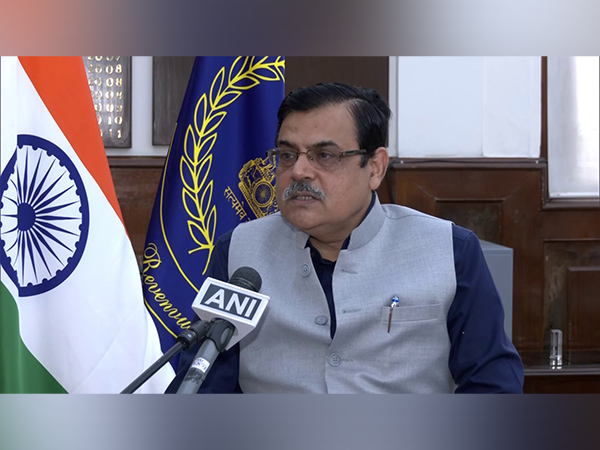
The government has granted a nine-month extension to Nitin Gupta, the current Chairman of the Central Board of Direct Taxes (CBDT). This extension, provided on a contract basis, was approved by the Appointments Committee of the Cabinet.
It is effective from October 1 and will continue until June 30, 2024, or until further orders are issued, whichever comes earlier. This extension is in relaxation of the recruitment rules and follows the usual terms and conditions applicable to re-employed central government officers.
Nitin Gupta, a 1986-batch Indian Revenue Service officer of the Income-Tax department, initially assumed the role of CBDT Chairman in June 2022.
The Mumbai office market experienced robust leasing activity in the third quarter, with a gross leasing volume (GLV) of 3.5 million square feet (MSF), marking a 26.9% increase compared to the previous quarter. Mumbai recorded the highest GLV among the top eight cities, contributing to a total leasing volume of 15.1 million square feet in the quarter. Delhi-NCR followed with 3.4 MSF, while Hyderabad and Bengaluru were third and fourth, with 2.4 MSF and 2.2 MSF, respectively. Chennai rounded out the top five contributors with 1.8 MSF. Although the GLV in Q3 was 13% lower than the second quarter, it was consistent with the volume seen in the first quarter of the year, indicating sustained momentum in the sector.
The year-to-date (YTD) total leasing volume stands at 48.2 MSF, and based on the average quarterly run rate, the leasing volume for the entire year of 2023 is projected to approach 64 MSF. Mumbai also exhibited strong net absorption of office space in the quarter, with 1.14 MSF, reflecting robust demand for office spaces in the city.
Key office markets in Mumbai, such as BKC and Lower Parel, have seen consistent demand for fresh office space, while suburban markets like Powai and Malad Goregaon have witnessed increased term renewals activity.
In terms of sectors driving office leasing in Mumbai, the IT-BPM, captive segment, engineering and manufacturing, telecom, and BFSI sectors were the top contributors in Q3FY23. The engineering and manufacturing sector, in particular, experienced a 48% growth in office leasing activity compared to the same period last year.
Delhi-NCR recorded the second-highest GLV of 3.4 MSF in the quarter, with notable growth in leasing by the IT-BPM and BFSI sectors, which saw 56% and 31% year-on-year growth, respectively. Kolkata, despite its smaller market size, demonstrated strong leasing activity in Q3FY23, with a 0.4 MSF GLV, marking an 87.8% quarter-on-quarter growth and nearly 40% year-on-year growth. Net absorption in Kolkata also recorded a healthy 29% growth compared to Q3-22.
Anshul Jain, Head of APAC Tenant Representation and MD, India, and South East Asia, commented on the evolving occupier demands in the office segment. India is becoming a preferred destination for business expansion, particularly in top-tier markets, where demand for Grade-A, compliant, and sustainable office assets is expected to remain strong.
Credit cards offer convenience and financial flexibility, especially during festive seasons when attractive discounts and special offers abound. However, it’s crucial to use credit cards wisely to avoid falling into debt. Here are some tips to keep in mind when embarking on your festive shopping with credit cards:
Establish a Budget: Before you start your festive shopping, set a realistic budget. Determine the amount you can comfortably spend without straining your finances. Make a list of the items you plan to purchase and allocate specific amounts for each category to avoid impulsive spending. Consider your monthly income, existing debts, and financial obligations when setting your budget.
Choose the Right Credit Card: Look for credit cards that offer rewards, cashback, or discounts at popular retailers or online marketplaces. Some cards are designed specifically for the festive season and provide attractive benefits like higher cashback rates or zero-interest EMI options. Also, consider cards with no annual fees or low interest rates to manage your expenses effectively.
Know Your Credit Limit: Before using your credit card, ensure you understand your credit limit. Overshooting your limit can result in substantial penalty charges and harm your credit score. If necessary, request a temporary limit increase from your card issuer, but only do so if you’re confident in your ability to manage the additional credit responsibly.
Plan for Repayment: Develop a repayment plan before making purchases. Ideally, aim to pay off your credit card balance in full by the due date to avoid interest charges. If full repayment isn’t feasible, create a strategy that involves paying more than the minimum amount due to reduced interest costs. Align your repayment plan with your budget and financial goals.
Compare Rewards and Offers: Check the rewards and offers associated with your credit card before making purchases. Many cards offer cashback or discounts at specific merchants during the festive season. Take advantage of these promotions to maximize your savings. Some cards also provide additional benefits like extended warranties, purchase protection, or travel perks, depending on your shopping plans.
Monitor Transactions: Festive shopping often involves numerous transactions, both online and offline. To maintain control over your spending, regularly monitor your credit card transactions. Most card issuers offer online access to your statements, making it easy to track expenses. Staying aware of your spending in real time helps identify any fraudulent transactions and ensures you stay within your budget.
Avoid Impulse Buying: Festive sales and discounts can be enticing, leading to impulsive purchases. It’s crucial to distinguish between wants and needs. Take your time to evaluate each purchase and consider its long-term value. A well-thought-out shopping list will help you make mindful choices.
Approaching festive shopping with careful planning and spending can make the experience enjoyable and financially stress-free. Setting a budget, selecting the right credit card, understanding your credit limit, and taking advantage of rewards and offers are recommended steps. Additionally, closely monitoring your transactions and avoiding impulsive buying will help you have a truly joyous festive season.
If you were fortunate enough to inherit wealth, retirement planning might not be a pressing concern. However, for self-made individuals, the National Pension System (NPS) is a crucial addition to their investment portfolio.
The NPS was introduced by the Central Government to assist individuals in securing a retirement income. Regulated by the Pension Fund Regulatory and Development Authority (PFRDA) under the PFRDA Act, 2013, the NPS offers opportunities for tax savings and wealth creation.
1) Tax Savings:
The NPS provides tax benefits under Section 80C of the Income Tax Act. Subscribers can claim deductions of up to Rs. 1.5 lakh annually on contributions made to their NPS Tier-I accounts. This deduction reduces taxable income, resulting in lower tax liability.
Additional Deduction under Section 80CCD (1B): In addition to the Section 80C deduction, the NPS offers an exclusive deduction of up to Rs. 50,000 under Section 80CCD (1B). This additional deduction is a significant tax-saving advantage for NPS investors.
Furthermore, there’s a deduction of up to 10% of the basic salary under Section 80 CCD (2) for corporate employees who have NPS contributions deducted from their salaries. This deduction is capped at Rs. 7.5 lakhs.
Tax Exempt at All Stages: NPS enjoys tax-exempt status at all stages. While contributors can claim tax deductions on NPS contributions, withdrawals (up to 60%) are also tax-exempt. This makes NPS an Exempt-Exempt-Exempt (EEE) category product.
Suitable under Old and New Tax Regimes: NPS investments through salary deduction (80 CCD (2)) are available under both the old and new tax regimes, making them versatile for corporate employees.
2) Wealth Creation for Retirement:
Market-Linked Returns: NPS offers various investment options, including equity (E), corporate debt (C), government securities (G), and alternate assets (A). This flexibility allows investors to customize their NPS portfolio based on risk tolerance and investment goals. The equity component offers the potential for higher long-term returns.
NPS subscribers can adjust their equity participation (with a maximum of 75% in the NPS Tier 1 account). They can also invest up to 100% in an Equity Scheme within the NPS Tier 2 account, although this comes with no associated tax incentives.
Long-Term Savings: NPS is designed for retirement savings, promoting long-term wealth accumulation. This extended investment horizon facilitates the creation of a substantial retirement corpus. NPS investors benefit from the compounding effect over time as contributions grow and generate returns. This compounding effect significantly enhances the investment value, creating substantial wealth for retirement.
Investing in NPS, regardless of economic fluctuations, offers several advantages to Indian investors. It provides portfolio diversification, reduces tax liabilities, and ensures systematic progress toward retirement and pension goals. NPS is also a cost-effective financial savings instrument, portable across jobs and locations, making it a valuable choice for retirement planning.