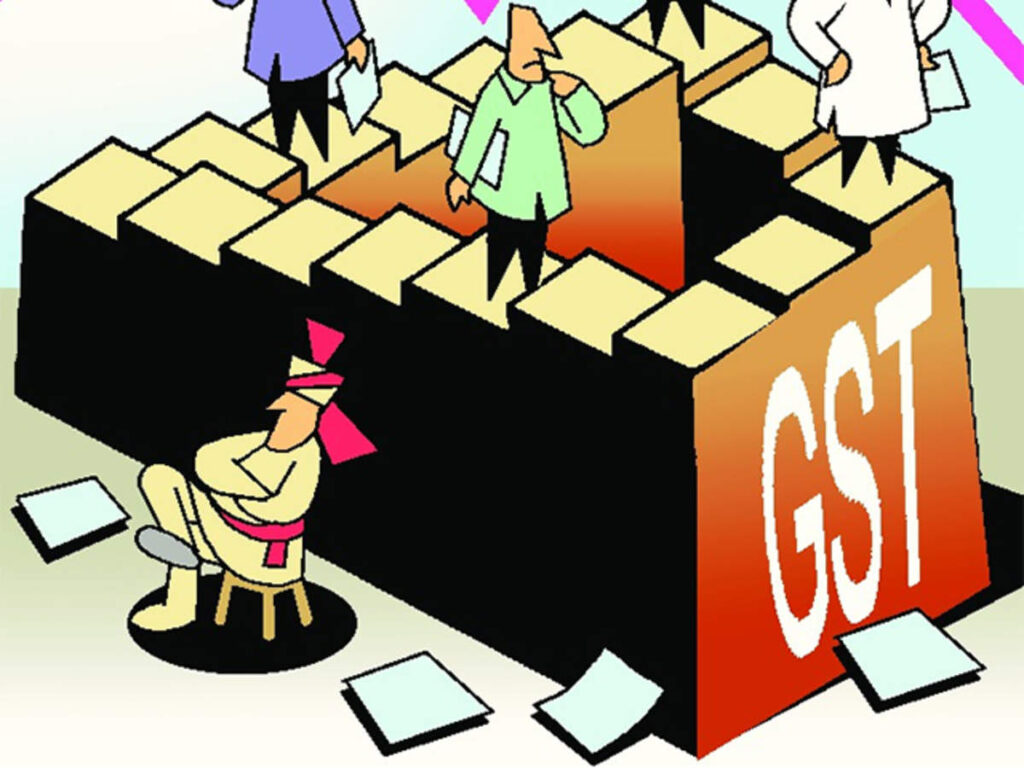
In response to the GST Council’s 52nd meeting, recommending amnesty for taxpayers unable to file appeals under section 107 of the CGST Act, the government issued Notification No. 53/2023 on November 2, 2023. The advisory outlines crucial procedures and provisions for taxpayers who missed filing appeals against demand orders under sections 73 or 74 of the CGST Act, 2017, passed on or before March 31, 2023, or whose appeals were rejected for not adhering to the specified timeframe.
Filing Appeals and Payment Procedures
Taxpayers now have the opportunity to file appeals using FORM GST APL-01 on the GST portal until January 31, 2024, for orders issued on or before March 31, 2023. It is emphasized that correct payments should accompany the appeal, with the GST Portal allowing various payment modes. The Appellate Authority will verify the payment’s correctness before entertaining the appeal.
Differential Payments for Existing Appeals
Taxpayers who previously filed appeals and wish to benefit from the amnesty scheme must make differential payments against the demand order using the “Payment towards demand” facility on the GST portal. A step-by-step navigation guide is provided for this purpose.
Refiling Appeals and Grievance Resolution
For those whose appeals were rejected as time-barred (APL-02), re-filing is allowed. Any issues encountered during re-filing should be addressed by raising a ticket on the Grievance Redressal Portal under the “Amnesty Scheme” category.
APL-04 Issued Cases and State Nodal Officer Route
In cases where the Appellate Authority issued rejection orders (APL-04) due to time constraints, direct representations will not be entertained. Instead, such cases must be forwarded through the State Nodal Officer, emphasizing adherence to the prescribed dates in the notification.
This advisory provides comprehensive guidance to ensure taxpayers navigate the amnesty scheme seamlessly, emphasizing correct filing procedures, payment protocols, and the appropriate channels for issue resolution.
Godrej Capital, the non-banking finance company (NBFC) arm of the Godrej Group, has forged strategic partnerships with Amazon, Visa, and DBS Bank India for its digital platform Nirmaan. The platform, launched in April this year, aims to provide a comprehensive suite of value-added services (VAS) for Micro, Small, and Medium Enterprises (MSMEs). Nirmaan now boasts a network of over 13 partners offering diverse VAS to enhance MSMEs’ market reach, financial support, legal compliance, employee well-being, and more.
Key Partnerships and Services
Amazon’s collaboration with Nirmaan enables MSMEs to showcase and sell their products on Amazon.in, facilitating both domestic and global market access through a three-month subscription to Amazon Global Selling. Visa offers MSMEs access to comprehensive payment solutions, while DBS Bank India provides a tailored current account and an array of value-added services.
Diverse Platform Offerings
Apart from Amazon, Visa, and DBS Bank India, Nirmaan’s partner ecosystem includes Onsurity (employee healthcare), Zolvit (tax and compliance support), MSMEx (advisory platform), and new partners like GeM Tech Paras (GeM consultancy), Escrowpay (digital escrow account), GreytHR (HR and payroll software), and Serapis Knowledge Solutions (strategy and research). This diverse range of services aims to address various facets of MSME operations.
Strategic Vision for MSME Growth
Manish Shah, MD & CEO at Godrej Capital, emphasized the company’s commitment to being catalysts in the MSME growth journey. Beyond lending, the focus is on providing holistic support to MSMEs. The collaborative efforts of Nirmaan’s partners align with the Godrej Group’s commitment to contributing to India’s journey towards becoming a 5 trillion-dollar economy.
Convenience store network Frendy, headquartered in Ahmedabad, has successfully raised INR 16 crores in a funding round led by Auxano Capital and AT Capital Singapore, among others. The startup, operational in over 40 Tier 2-6 towns in Gujarat, plans to utilize the capital to enhance its technological offerings, expand its private label product portfolio, and further extend its network of stores. Frendy’s unique model consists of franchised Frendy Marts digitally connected to a cluster of Frendy Micro stores, serving as a convenient solution for smaller towns and rural areas.
Innovative Store Network Model
Frendy Marts, ranging from 500 to 1000 sq. ft, offer a diverse range of 1,000 to 2,000 products, also serving as dark stores for digitally connected Frendy Micro stores in a 10 km radius. The Micro stores, run by existing family-owned micro kiranas and home-based setups, provide an additional 100 SKUs, with the remaining available for digital ordering through Frendy’s app.
Strategic Expansion Plans
Having achieved a robust Product-Market Fit (PMF) in its initial phase, Frendy aims to become asset and operations light in its second phase. CEO Sameer Gandotra highlights the goal of having 40 operational Marts within the next 12 months, leveraging them as warehouses for existing micro stores. The company envisions an Annual Recurring Revenue (ARR) of INR 300 crores and profitability in the next 24 months.
Financial Performance and Growth Trajectory
In its second year of operations (FY23), Frendy has reported a noteworthy revenue of INR 82 crores, marking a significant increase from INR 40 crores in FY22. With a focus on current geographies and leveraging density for a robust cost advantage, Frendy sets ambitious goals for growth and profitability in the near future.
Bringing a co-founder on board is a pivotal decision for any startup, symbolizing shared responsibility and ownership among founding members. To navigate this crucial step effectively, several key considerations must be addressed, primarily encapsulated in a comprehensive co-founder’s agreement.
Defining Roles and Responsibilities
The co-founder’s agreement serves as the cornerstone for delineating roles, responsibilities, and ownership percentages among founding members. This legally binding document is instrumental in establishing clear guidelines for management, control, and operational aspects of the startup.
Ownership Structure and Equity Distribution
Crucial decisions regarding equity distribution must be addressed within the agreement. Whether opting for an equal distribution rule (Rule of N) or a contribution-based approach, defining the ownership structure and the percentage of shares held by each co-founder is imperative.
Vesting and Departure Protocols
Vesting mechanisms, outlining the allocation and repurchase rights of company shares, become essential. The agreement should explicitly detail the departing founder’s rights in cases of dis-ownership or departure, preventing potential conflicts.
Profit Distribution and Termination Procedures
Clear provisions regarding profit distribution and the circumstances under which a founder may be terminated are crucial elements of the agreement. Addressing these aspects helps mitigate disputes during business development.
Conflict Resolution and Non-compete Clauses
To preemptively address disagreements, incorporating conflict resolution mechanisms within the agreement is vital. Additionally, including a non-compete clause ensures that departing founders do not engage in competing business activities.
Financial Matters and Compensation
The agreement should articulate the treatment of loans from founders, specifying repayment terms. Provisions for initial compensation, encompassing profits, revenue, reimbursement, and founder compensation, must be clearly outlined.
Adding New Co-founders
For future expansion, the agreement should include a clause outlining the process and defining the role extent for adding new co-founders. This forward-looking approach ensures a structured and harmonious growth trajectory for the startup.
In response to investigations by the Directorate General of GST Intelligence (DGGI) into co-lending practices between Non-Banking Financial Companies (NBFCs) and banks, the Finance Industry Development Council (FIDC) has reached out to the Central Board of Indirect Taxes and Customs (CBIC) for clarity. FIDC urges CBIC to assert that the higher interest rates retained by NBFCs in co-lending models with banks should not be considered a taxable ‘service’ and, therefore, should not be subjected to Goods and Services Tax (GST).
Background Investigation by DGGI
Members of FIDC reported an ongoing investigation by DGGI, aiming to determine if GST evasion occurred in co-lending models. FIDC emphasizes that the excess interest charged by NBFCs in such arrangements is not a consideration for any service provided, seeking assurance from CBIC.
Co-origination Arrangement Dynamics
FIDC clarifies that in co-origination, where NBFCs contribute 80% of the credit, the higher interest rates result from the higher borrowing costs of NBFCs. FIDC asserts that the elevated interest is not linked to any specific service and does not represent consideration for any NBFC activity.
Post-disbursal Takeover Structure
In cases where banks structure co-lending as a post-disbursal takeover, FIDC outlines that, apart from the interest income shared between banks and NBFCs, no additional remuneration occurs between the parties. FIDC aims to establish that the excess interest spread is solely an “interest income,” subject to income tax and not liable for GST.
Conclusion: Interest Income vs. GST Liability
FIDC underscores that the excess interest spread, being in the nature of “interest income,” is not a fee or charge and, therefore, should not be subject to GST. The council seeks CBIC’s clarification on this crucial distinction to prevent potential tax ambiguities in the co-lending landscape.
Section 139(5) of the Income Tax Act, 1961, empowers taxpayers to file a revised return of income under specific circumstances. These include the discovery of errors or omissions in the original return, realization of inadvertently omitted income sources or missed deductions, or noticing a mismatch in income between the original return and Form 26AS/AIS.
Timeline for Revised Returns
Taxpayers can file a revised return on or before December 31 of the relevant assessment year, which is within nine months from the end of the financial year. For instance, for the Financial Year 2022-23, the deadline for filing a revised return is December 31, 2023.
Penalties and Interest
While there are no separate penalty provisions for revised returns, interest consequences may arise depending on the revision in income. Additionally, taxpayers have the option to furnish an updated return under section 139(8A) within 24 months from the end of the assessment year, subject to specified conditions. However, penalties in the form of additional tax apply, amounting to 25% of the aggregate of tax and interest payable if the return is filed within 12 months from the end of the relevant assessment year. If filed after this period but before 24 months, the additional tax increases to 50%.
It’s crucial for taxpayers to be aware of these timelines and consequences when considering the revision or update of their income tax returns.
In a significant move towards fostering gender equality and equal opportunities, the Food Safety and Standards Authority of India (FSSAI) has unveiled a new provision called the “Special Category” within its online Food Safety Compliance System (FoSCoS) portal. This innovative category is specifically designed to empower women and transgender entrepreneurs in the food business sector.
Benefits Under Special Category
The Special Category introduces a balanced processing approach by licensing and registering authorities. Applications will be processed in a one-to-one ratio with regular applications until there are no pending applications in either category. Eligible individuals will be identified during the application submission process through Aadhaar/PAN authentication.
Promoting Equality in Food Business
The introduction of the Special Category aligns with FSSAI’s commitment to promoting gender equality and inclusivity within the food industry. By providing a dedicated platform for women and transgender entrepreneurs, FSSAI aims to create an environment that encourages their active participation and growth in the food business sector.
Last Year’s Initiatives – Ayurveda Aahar Logo
In a related initiative last year, Union Health Minister Dr. Mansukh Mandaviya unveiled the ‘Ayurveda Aahar’ logo on World Food Safety Day. This logo was introduced to establish a unique identity for Ayurveda Aahar products, facilitating easy identification for consumers. The logo, similar to standard markings on food products, enhances consumer awareness and reinforces the quality of Ayurvedic products.
These strategic initiatives by FSSAI reflect a commitment to advancing inclusivity and quality within the food industry, fostering a more equitable and diverse entrepreneurial landscape.
In a robust display of economic momentum, GST collections for October reached ₹1.72 lakh crore, marking a 13% increase compared to the same period last year. This achievement stands as the second-highest monthly GST revenue, surpassed only by the record set in April 2023 at ₹1.87 lakh crore. The Finance Ministry attributes this impressive performance to the combined impact of economic growth, vigilant tax enforcement curbing evasion, and heightened festive season demand.
Steady Growth in Fiscal Year
The average gross monthly GST collection for the current fiscal year has displayed consistent growth, recording an 11% increase year-on-year at ₹1.66 lakh crore. This sustained growth indicates the resilience of the GST revenue stream.
Factors Contributing to Strong Performance
Economists, including Icra Chief Economist Aditi Nayar, attribute the positive GST collections to quarter-end adjustments related to transactions from the previous month. The overall economic momentum has further boosted revenue figures, leading to a notable year-on-year growth rate.
Outlook and Projections
Aditi Nayar states that the year-on-year growth rate in October 2023 has reached a 10-month high, indicating encouraging trends. Current projections suggest that Central GST (CGST) collections are expected to slightly exceed the Budget Estimate for the fiscal year 2024.
Revenue Breakdown for October 2023
The gross GST revenue for October 2023 stands at ₹1,72,003 crore, with Central GST contributing ₹30,062 crore, State GST at ₹38,171 crore, Integrated GST (including ₹42,127 crore from import of goods) at ₹91,315 crore, and cess (including ₹1,294 crore from import of goods) at ₹12,456 crore. The government has allocated ₹42,873 crore to CGST and ₹36,614 crore to SGST from IGST.
This substantial performance in GST collections reflects a resilient economic landscape and effective measures to curb tax evasion.
In a significant development, the Central Goods and Services Tax (CGST) Delhi East Commissionerate launched ‘Operation Clean Sweep’ targeting fake billers engaged in fraudulent activities. As a result, a syndicate comprising 48 fake firms exploiting input tax credit (ITC) fraudulently worth over ₹199 crore has been dismantled, leading to the arrest of three individuals, as per the finance ministry’s announcement on Tuesday.
Coordinated Action Against Fake Billing Syndicate
The CGST Delhi East Commissionerate initiated ‘Operation Clean Sweep’ based on human intelligence, further reinforced through data mining and analysis. The operation successfully identified and dismantled a syndicate of 48 interconnected fake firms involved in fraudulent ITC activities.
Arrests and Legal Action
In the initial phase of the operation, 48 fake or non-existent firms dealing in bogus invoices were exposed. Three individuals connected to these activities were arrested and subsequently remanded to judicial custody for two weeks by the Chief Metropolitan Magistrate Court, Patiala House. The investigation is ongoing to identify other syndicate members and ring leaders.
Details of Fraudulent Activities
One arrested individual, the proprietor of M/s M.K. Traders, was found to have fraudulently availed ITC exceeding ₹5 crore, a significant portion of which was passed on to other links in the syndicate. The other two arrested individuals played a role in supporting and facilitating the syndicate’s operations.
Recovery of Incriminating Material
During the operation, incriminating materials such as stamps from 55 different firms, multiple SIM cards, and documents like Aadhaar cards and electricity bills belonging to third parties were seized. The operation, conducted in challenging terrain with narrow bylanes and sensitive areas of Delhi, was made possible through the collaborative efforts of the GST officers and the Delhi Police.
This crackdown marks a significant step in curbing fraudulent practices and upholding the integrity of the tax system.
CheckRewards, a cashback app serving as a shopping companion, has secured a $1.2 million investment from Germany’s Mitgo Group. This funding not only provides financial support to CheckRewards but also includes networking opportunities and regional expertise from Mitgo Group. The investment aligns with Mitgo’s broader plan to invest $100 million in innovative projects by 2025 as part of its venture builder initiative for startups.
Cashback App Market Trends in India
The cashback app market in India, valued at over Rs 500 crores, reflects the growing popularity of e-commerce and increasing consumer preferences for online shopping platforms. Mitgo recognizes these trends and views CheckRewards as a strategic investment within this expanding market.
CheckRewards’ Unique Value Proposition
CheckRewards serves as a comprehensive budget management tool, offering users access to promotions, cashback rewards for everyday purchases, and receipt scans. For brands, the app provides innovative advertising opportunities, including geo-targeting and customer preference-based targeting. The startup aims to collaborate with major FMCG, retail, and food brands, including industry giants like Noon, Amazon, Samsung, Dyson, Starbucks, and H&M.
Mitgo Group’s Confidence in CheckRewards
Alexander Bachmann, CEO of Mitgo Group, expresses confidence in CheckRewards’ potential and vision. Mitgo Group’s investment comes as part of a seed round, and Bachmann highlights the exceptional leadership of Artem Ostapenko, CheckRewards’ CEO.
Growth Plans and Future Investments
Artem Ostapenko, CEO of CheckRewards, outlines the company’s plans, which include securing the next round of investments for expanding into new markets. CheckRewards aims to transform the cashback experience for users while facilitating business growth.
Loyalty Market Outlook in India
According to market research firm Research and Markets, the loyalty market in India is projected to grow by 14.2% annually, reaching $4795.6 million in 2023. By 2027, it is expected to expand further to $8101.3 million, indicating significant opportunities for companies operating in this space