The United Kingdom has announced a fee hike across various visa categories, affecting several types of visa applications. These changes will apply to most visa categories, including health and care visas, applications for British citizenship registration and naturalization, and visit visas for durations of up to six months, two years, five years, and ten years.
Wider Impact on Visa Applications The fee increases will also affect the majority of fees for entry clearance and specific applications for leave to remain in the UK. This includes applications for work and study visas, fees for indefinite leave to enter and remain, as well as fees related to certificates of sponsorship and confirmation of acceptance for studies.
Expected Implementation Date These adjustments to visa fees are pending parliamentary approval and are anticipated to come into effect on October 4, as confirmed by the Home Office.
Impact on Visa Applicants The fee hike may have financial implications for individuals applying for visas to enter or remain in the UK. Prospective applicants and stakeholders are advised to review the updated fee schedule and plan their visa applications accordingly.
The Bombay High Court has issued a notice to Attorney General for India, R Venkataramani, in response to a petition challenging the constitutional validity of provisions within the Insolvency and Bankruptcy Code (IBC) that pertain to the appointment of insolvency resolution professionals (IRPs).
Suspension Without Hearing The petitioner, insolvency professional Poonam Basak, was suspended for three years by the Insolvency and Bankruptcy Board of India (IBBI), which rendered her ineligible for accepting new appointments as an IRP. Basak argued that this suspension effectively assumed the allegations against her were true until proven false, violating her fundamental rights under Articles 14, 19, and 21 of the constitution.
Challenged Sections The sections under challenge include 7(5), 9(5), 16(2), 16(3), 16(4), 27(5), 82(1), 89(3), 97(1), 98(3), 98(5), 125(1), and 145(5) of the IBC, which permit the suspension of an insolvency professional without a hearing upon issuance of a show cause notice.
Violation of Natural Justice The petition emphasized that such suspension without a hearing violates principles of natural justice and the presumption of innocence until proven guilty.
De Facto Whole Time Member Issue The petition also questioned whether the Chairperson of the IBBI is a de facto Whole Time Member of the Board with the authority to issue suspension orders. The Court found that the Chairperson’s appointment process differed from that of Whole Time Members, suggesting a lack of jurisdiction.
Court’s Decision In light of these issues, the Court temporarily stayed the operation of the suspension order and show cause notice against Basak.
Legal Representation Senior Advocate Sharan Jagtiani, along with Advocates Nirman Sharma, Ansh Karnawat, G Aniruth Purusothaman, and Parth Shah, represented Poonam Basak in the case.
Prime Minister Narendra Modi is set to inaugurate India’s most extensive housing project for economically weaker sections in Solapur, Maharashtra. The ambitious development, located in Raynagar, spans a sprawling 100 acres and aims to construct a total of 30,000 homes. Impressively, 15,000 of these homes are already completed, as announced by Valsa Nair Singh, Maharashtra’s Additional Chief Secretary.
Execution by Mhada with PMAY Support The Maharashtra Housing and Area Development Authority (Mhada) is spearheading the project’s execution, with crucial support from the central government’s Pradhan Mantri Awas Yojana (PMAY).
Diverse Beneficiaries This monumental project caters to a diverse range of beneficiaries, including unorganized workers, textile laborers, beedi workers, construction laborers, ragpickers, and garment workers. It reflects the government’s commitment to providing affordable housing to various sections of society.
Multi-Thousand Crore Dharavi Redevelopment Project In addition to the Solapur project, Valsa Nair Singh announced the impending signing of a Memorandum of Understanding (MoU) to kickstart the multi-thousand crore Dharavi redevelopment project. This initiative is expected to set the stage for similar cluster-based projects across the state, aligning with the government’s focus on cluster-based development.
Maharashtra’s Housing Policy Objectives Singh highlighted the key objectives of the forthcoming housing policy, including promoting affordable housing, creating “walkable cities,” enhancing work-life balance, integrating smart home technology, and prioritizing homes for specific demographics like senior citizens and students. The policy aims to address the issue of skilled manpower and uphold the dignity of senior citizens as India’s population ages.
Government’s Commitment to Climate Action Pravin Darade, Principal Secretary for the Environment, emphasized the government’s commitment to crafting an action plan for climate change. To facilitate this process, the government has enlisted 20 interns working in collaboration with various government departments.
The inauguration of this colossal housing project marks a significant step towards addressing the housing needs of economically weaker sections and promoting inclusive development in India.
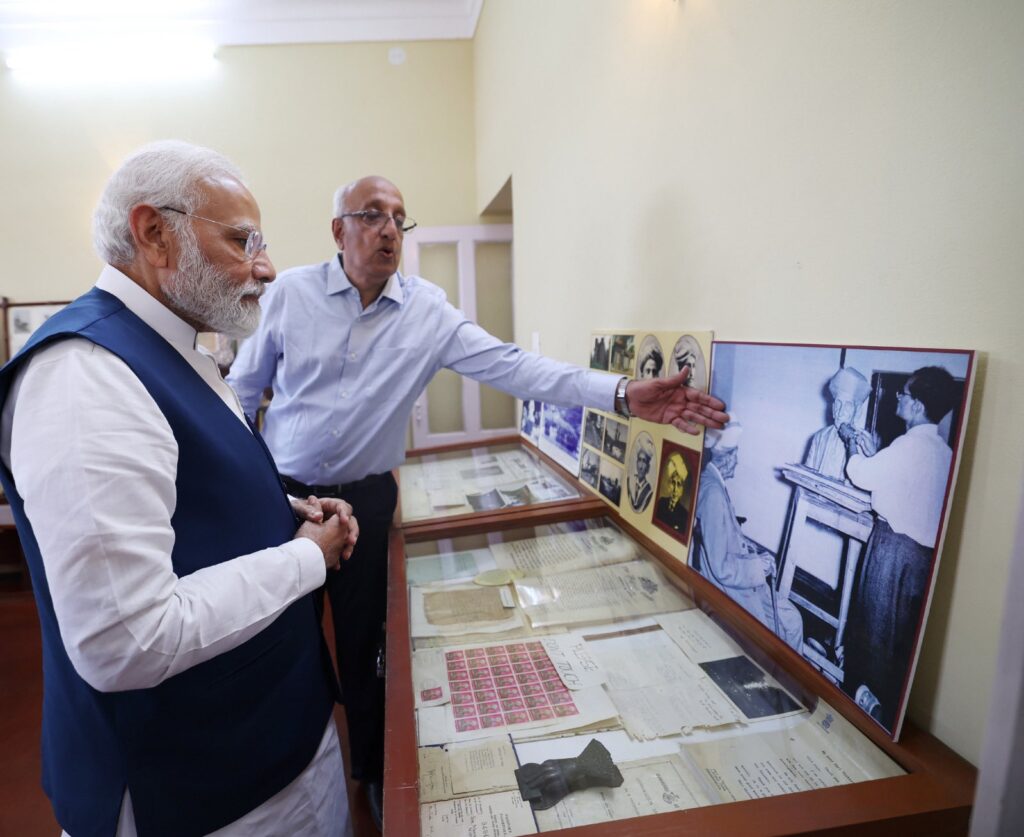
On Engineer’s Day, Prime Minister Narendra Modi extended his heartfelt greetings to engineers across India. He commended their innovative thinking and unwavering dedication, acknowledging their pivotal role in the nation’s progress.
Celebrating Engineer’s Day Engineer’s Day is celebrated to honor the legacy of the eminent engineer and administrator, Sir M Visvesvaraya, on his birth anniversary. Born in 1861, Visvesvaraya’s contributions have left an indelible mark on India’s development.
Engineers: Pillars of Progress PM Modi emphasized that engineers play a crucial role in shaping the nation’s future. Their contributions encompass a wide spectrum, from creating remarkable infrastructure to driving technological breakthroughs. Engineers impact every facet of people’s lives, making their work indispensable.
Homage to a Visionary Engineer In his tribute to Sir M Visvesvaraya, PM Modi hailed him as a visionary engineer and statesman. He noted that Visvesvaraya’s enduring legacy continues to inspire generations to innovate and serve the nation. Visvesvaraya’s pioneering work and dedication to the country serve as a guiding light for engineers today.
Engineer’s Day serves as a reminder of the critical role engineers play in nation-building and technological advancement. PM Modi’s message underscores the importance of their tireless efforts in propelling India forward.
India has taken a significant step towards boosting self-reliance in its defence manufacturing sector by approving the purchase of military hardware worth ₹45,000 crore. This purchase includes fighter planes, missiles, light armoured multipurpose vehicles, integrated surveillance and targeting systems, and survey ships, all aimed at modernizing the country’s armed forces.
Boosting Domestic Defence Industry The Defence Acquisition Council (DAC) approved these acquisitions from Indian vendors, providing a substantial boost to the domestic defence industry. India has allocated a portion of its defence budget for procuring locally made military hardware, with a focus on indigenously designed, developed, and manufactured (IDDM) products. This year, approximately ₹1 lakh crore has been set aside for domestic procurement, marking a significant increase from previous years.
Key Acquisitions Among the approved acquisitions are 12 Sukhoi-30 MKI fighter jets and associated equipment worth ₹11,000 crore from Hindustan Aeronautics Limited (HAL). These fighters will replace the 12 Su-30 MKIs lost in accidents. Additionally, Dhruvastra short-range air-to-surface missiles, integrated surveillance and targeting systems, next-generation survey vessels, avionics upgrades for Dornier aircraft, and light armoured multipurpose vehicles were given the green light.
Raising Indigenous Content Threshold Defence Minister Rajnath Singh emphasized the need to increase the minimum indigenous content in IDDM projects, suggesting a threshold of 60-65% instead of the current 50%. This move aims to further strengthen India’s self-reliance in defence manufacturing.
Measures to Boost Self-Reliance India has implemented various measures over the past few years to enhance self-reliance in defence, including the creation of a separate budget for domestic procurement, phased import bans, increased foreign direct investment, and improvements in ease of doing business.
Positive Indigenisation Lists India has also published positive indigenisation lists, imposing phased import bans on various weapons and platforms. These lists aim to promote indigenisation and reduce dependency on foreign defence equipment.
This move underscores India’s commitment to bolstering its domestic defence industry and achieving greater self-sufficiency in meeting its security needs.
Kerala’s Kozhikode district has reported another confirmed case of the Nipah virus, bringing the total number of cases to six. A 39-year-old man has tested positive for the virus and is currently under observation at a hospital in Kozhikode. All six confirmed cases have been reported from the Kozhikode region, raising concerns among health officials.
Critical Condition of a Nine-Year-Old Among the six cases, the condition of a nine-year-old remains critical, according to health officials. The Nipah virus can lead to acute respiratory illness and fatal encephalitis, posing a significant health risk.
Previous Deaths and Lockdown Earlier, two deaths in Kozhikode were suspected to be linked to the Nipah virus. Four individuals who had contact with the deceased were also monitored. Subsequent lab tests confirmed the cause of death as the Nipah virus. In response to the situation, authorities imposed a strict lockdown and implemented various preventive measures, including the closure of schools and restrictions on social gatherings and events.
Symptoms and Precautions The symptoms of the Nipah virus are similar to those of COVID-19. It is crucial to take precautions such as avoiding the consumption of fallen fruits, staying away from pigs, and preventing contact with fruit bats.
Rare Outbreaks in Asia Nipah virus outbreaks in Asia have been relatively rare but can have severe consequences for both animals and humans, often leading to severe diseases and fatalities.
The situation continues to be monitored closely by health authorities in Kerala to prevent the further spread of the Nipah virus.**
This development highlights the need for swift and comprehensive measures to contain the virus and protect public health.
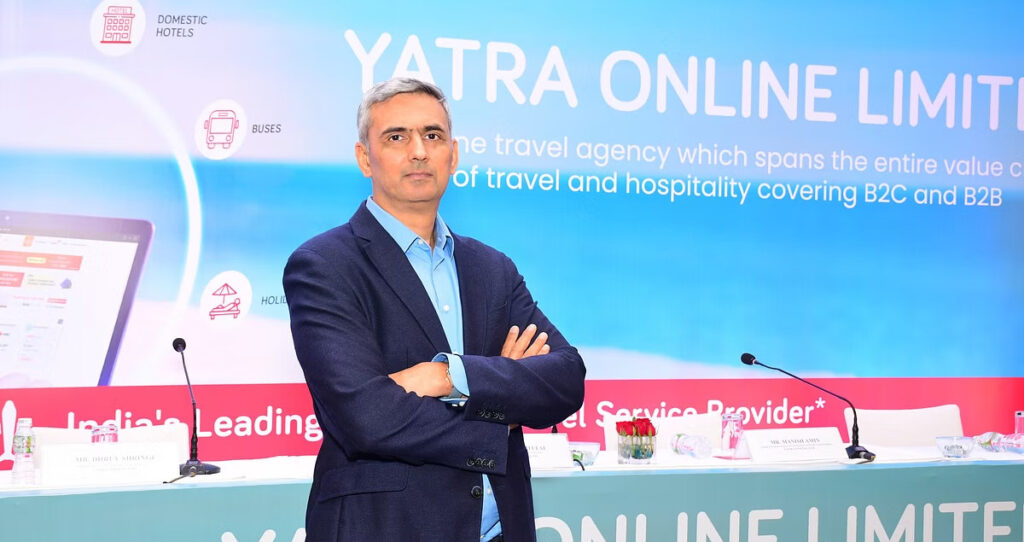
Yatra Online IPO: The public subscription period for the Yatra Online IPO will begin on Friday, September 15, 2023, and end on Wednesday, September 20, 2023. On Thursday, the competition for anchor investors came to an end, and the company received Rs 348.75 billion. The price range for its first public offering was set at Rs. 135-142 per equity share with a Rs. 1 par value. The promoters and owners of the company aim to raise Rs 775 crore from the IPO at the upper end of the price band.
The initial public offering (IPO) consists of a fresh issue of 42,394,366 shares with a maximum value of Rs 602 crore and an offer-for-sale (OFS) in which the promoters sell 12,183,099 shares with a maximum value of Rs 173 crore. 105 shares make up each lot in the Yatra Online IPO. The company plans to use the net proceeds from the IPO for strategic purchases, inorganic growth, investments in customer acquisition and retention, technology, and other activities for organic growth, as well as basic business needs.
In terms of the number of corporate clients, Yatra Online is the top provider of corporate travel services in India, and among the major OTAs, it ranks third in terms of gross booking revenue and operational revenue for FY23. As of March 31, 2023, the company had approximately 21,05,600 hotel and accommodation tie-ups, the biggest among the major domestic OTA companies. With 813 big corporate clients, more than 49,800 registered SME clients, and the third-largest consumer online travel company (OTC) in the nation by gross booking revenue for FY23, Yatra Online is also India’s top provider of corporate travel services.
Applying for the Yatra Online IPO is recommended. Stoxbox: Sign up
“Yatra Online is well-positioned to grab a major portion of growth in the Indian travel and tourism sector, as a result of its established B2B and B2C client relationships. This helps the business to target urban consumers who are educated and regular frequent flyers in India. With the expansion of the tourist sector, we anticipate that the market share of online travel agencies (OTAs) will expand more quickly than that of captive players, enhancing the profitability of the business. We continue to be optimistic about the company from a medium- to long-term viewpoint because it generated profits in FY23 and has historically experienced good revenue growth. As a result, we suggest ranking the issue SUBSCRIBE.
Anand Rathi: Long-term subscription
“On an FY23 basis, the company is valued at an upper band of 219x P/E and 5.8x market cap/sales, which is lower than its competitor (Easy Trip Planners, which is valued at 15.7x). We therefore think that Yatra has room for company growth thanks to market tailwinds, brand recognition, and business scalability, which will eventually lead to an increase in EBITDA margin. As a result, we suggest giving the IPO the rating “SUBSCRIBE – long term.”
Rules for Advance Tax Payment: If a person’s annual tax liability exceeds Rs 10,000, they are all obligated to pay advance tax, including salaried staff. Employers often take the advance tax out of salaried workers’ monthly paychecks and send it to the tax division.
The ceiling of Rs 10,000 or more, according to Archit Gupta, founder and CEO of Clear, is determined after subtracting all tax credits, such as TDS, TCS, foreign tax credit, Section 89 relief, etc., from the initial projected tax due.
Here are the guidelines for advance tax payments for professionals, NRIs, senior citizens, and those who make a salary.
Rules for Advanced Tax Payments for Salary Earners
Employers withhold taxes from salaries, so there is no need to worry about paying taxes in advance. However, it should be emphasized that when a change in employment occurs during the year, there is a significant chance that the new employer, not knowing about the prior job, calculated tax improperly and withheld tax based on that.
“In this situation, it is suggested that the person double-check the tax calculation and notify the new employer. The person can take matters into their own hands and pay the tax on their own to avoid the interest on non-payment of advance tax if they are not deducting it as they should be, according to Gupta.
Professional Advance Tax Payment Rules
According to Gupta, professionals who choose presumptive taxation must pay the whole amount of advance tax by the 15th of March of the relevant financial year, as opposed to the quarterly advance tax payments required of all other assessees.
NRI Advance Tax Payment Rules
The advance tax rules apply to you in the same manner they do to other resident assessees. An NRI must pay their tax in advance if their projected tax bill for the year is Rs. 10,000 or above.
Senior Citizen Advance Tax Payment Regulations
A senior who is a tax resident (i.e., a person who was at least 60 years old during the applicable financial year) and who does not earn money through a business or profession is not required to pay advance tax.
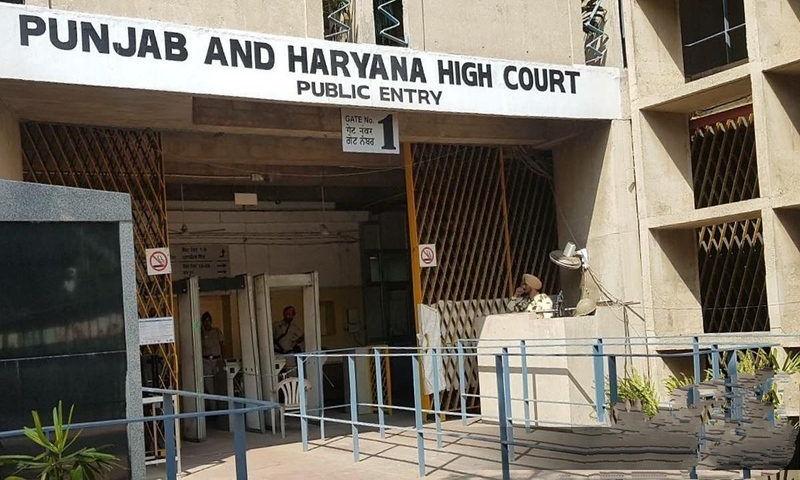
The Punjab and Haryana High Court has summoned the Chief Secretary of the Haryana government to explain the rejection of the High Court’s recommendation to promote 13 Civil Service (Judicial Branch) Officers to the positions of Additional and District Sessions judges. The Court expressed displeasure with the language used in the rejection letter, deeming it contemptuous.
Controversial Rejection Letter The rejection letter, signed by Joint Secretary Rashmi Grover, suggested that the High Court’s arbitrary recommendations for promotions did not have any binding value. It further emphasized the High Court’s duty to provide advice and opinions to the Governor and the need to avoid arbitrary actions.
Court Views Letter as Contemptuous Justice GS Sandhawalia and Justice Harpreet Kaur Jeewan of the High Court took a serious view of the statements in the letter and initially summoned the Joint Secretary to explain it. The Joint Secretary informed the Court that the letter was endorsed by the Chief Minister, leading to the summons of the Chief Secretary.
Access to Original State File Requested The Court also requested access to the original State file to determine who was responsible for approving the controversial letter.
Chief Secretary’s Appearance The Chief Secretary is expected to appear before the Court to provide an explanation. The matter will be heard later today.
Legal Representation Senior Advocate Gurminder Singh and advocate Simurita Singh represented the petitioners. Advocate General BR Mahajan and Deputy Advocate General Arun Beniwal appeared for the Haryana government, while Senior Advocate Munisha Gandhi and advocate Shubreet Kaur Saron represented another respondent in the case.**
This development underscores the importance of transparency and accountability in government decisions, especially those concerning judicial promotions.
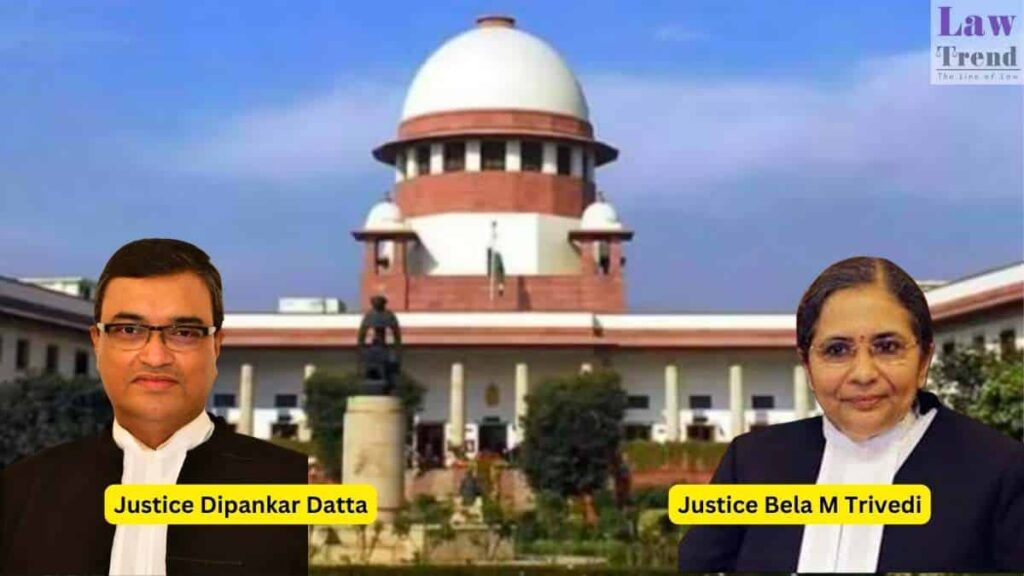
The Supreme Court strongly criticized the legal heirs of a litigant for filing multiple vexatious applications in the Gujarat High Court concerning property rights. The case involved repeated applications for the restoration of a case that had been dismissed for non-prosecution. A bench of Justices Bela M Trivedi and Dipankar Datta asserted that the Gujarat High Court had made a mistake by entertaining these applications without providing reasons.
Erroneous High Court Decision In this instance, the legal heirs submitted applications on five occasions, all of which were dismissed for non-prosecution. The sixth application was eventually accepted by the High Court, subject to a fine of ₹15,000.
Preventing Misuse of Legal Process The Supreme Court emphasized that no litigant should be allowed to misuse the legal process, and the High Court had erred in entertaining such vexatious applications without offering any justification. While setting aside the High Court’s decision to entertain the application, the Supreme Court directed the litigants to deposit the ₹15,000 fine imposed by the High Court.
Dispute Over Property Rights The case revolved around a dispute concerning the rights of a watchman to certain property within a natural therapy center’s premises. The watchman, who had been granted residence on the property while employed by the center, claimed ownership after being dismissed. He sought a permanent injunction against the center’s interference with his possession of the premises. The legal heirs pursued the litigation after the watchman’s death. The Supreme Court allowed the center’s appeal against a High Court ruling favoring the watchman’s legal heirs.
Repeated Pleas for Restoration Over several years, multiple applications were filed to restore a review plea, all of which were dismissed for non-prosecution. However, the final application was allowed with a ₹15,000 cost, leading to the Supreme Court’s intervention.**
Calling for Prudent Legal Process The Supreme Court’s decision underscores the importance of a responsible and efficient legal process, discouraging the misuse of multiple vexatious pleas in court proceedings.**
Senior Advocate IH Syed, along with a team of advocates, represented the appellants, the Vasant Nature Cure Hospital and Pratibha Maternity Hospital Trust, while Advocate Ankit Acharya represented the legal heirs of the watchman.