In preparation for the upcoming festive season, Amazon India has unveiled a strategic offering known as Multi-Channel Fulfilment (MCF). This service is designed to cater to sellers, including Direct-to-Consumer (D2C) brands and retailers, by facilitating the management of customer orders received from a variety of channels. Amazon India aims to leverage its extensive pan-India presence, fulfilment centres, and logistics network to empower sellers in delivering a seamless shopping experience across multiple sales platforms.
Streamlining Order Handling
Amazon’s Multi-Channel Fulfilment (MCF) simplifies the order fulfilment process for sellers. It provides them with the capability to efficiently process orders received from diverse channels, which may include their own websites, in addition to Amazon’s marketplace. This streamlining of operations is expected to enhance the overall efficiency of sellers, making it easier for them to manage orders, track shipments, and generate tax invoices.
Festive Season Readiness
The launch of MCF comes at a strategic time as Amazon India, along with competitors like Flipkart, gears up for the fast-approaching festive season. By providing sellers with a comprehensive fulfilment solution, Amazon aims to empower them to meet the surge in customer demand expected during this period. The move underlines Amazon’s commitment to fostering the growth of D2C brands and sellers in India’s dynamic e-commerce landscape.
Conclusion
Amazon India’s Multi-Channel Fulfilment (MCF) represents a significant step towards simplifying order management for sellers, particularly D2C brands and retailers. As the festive season approaches, this service equips sellers with the tools and infrastructure needed to efficiently handle orders from various sales channels, ensuring a seamless shopping experience for customers.
Wipro Limited, a leading global information technology, consulting, and business process services company, has announced the appointment of Aparna C Iyer as its new Chief Financial Officer (CFO). Aparna succeeds Jatin Dalal, who is stepping down from the position to explore new career opportunities. The change in leadership at Wipro’s finance department is effective immediately.
Aparna C Iyer’s Background
Aparna C Iyer has a rich history with Wipro, having joined the company in April 2003. Over her 20-year tenure, she has held various finance roles, including internal audit, business finance, finance planning and analysis, corporate treasury, and investor relations. Before her appointment as CFO, she served as the Senior Vice President and CFO of Wipro FullStride Cloud. Her extensive experience encompasses financial risk management, capital allocation, fund raising, driving business strategy, and fostering growth.
CEO’s Perspective
Thierry Delaporte, CEO and Managing Director of Wipro Limited, expressed his confidence in Aparna’s leadership, highlighting her contributions to the company’s finance transformation over the years. He also thanked Jatin Dalal for his past contributions to Wipro and wished him success in his future endeavors.
Aparna’s Vision
Aparna C Iyer is enthusiastic about her new role as CFO and looks forward to working closely with Thierry Delaporte, the finance team, and the entire organization. She aims to build on Wipro’s successes, drive sustainable growth, and create value for stakeholders during this crucial phase of the company’s transformation journey.
Conclusion
The appointment of Aparna C Iyer as Wipro’s CFO signals a strategic leadership change within the company. Her extensive experience and strategic financial acumen will play a pivotal role in shaping Wipro’s financial future and supporting its continued growth and transformation.
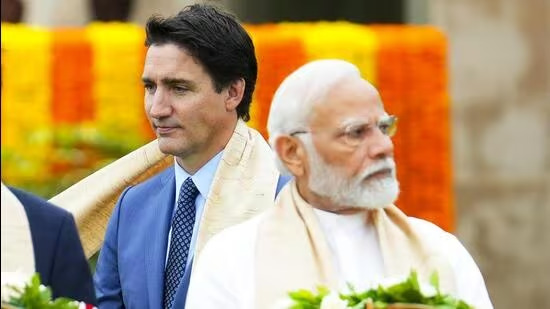
India has suspended visa services for Canadian nationals indefinitely due to heightened diplomatic tensions between the two countries. The decision was made “due to operational reasons,” and it affects Canadian citizens living in Canada as well as those applying from other countries. This marks the first time India has suspended visas since the onset of the COVID-19 pandemic.
Reasons for Suspension
The suspension of visa services follows security threats faced by Indian officials at the High Commission and consulates in Canada, which have disrupted their functioning. The Ministry of External Affairs (MEA) confirmed that this suspension applies to all Canadian citizens, regardless of their location.
Growing Tensions
Tensions between India and Canada escalated after Canada stated it was actively investigating credible allegations linking Indian government agents to the murder of Khalistani terrorist Hardeep Singh Nijjar in British Columbia in June. India has vehemently denied these allegations. India also issued an advisory to its citizens in Canada, urging them to exercise caution due to increasing anti-India activities and politically-condoned hate crimes.
Conclusion
The suspension of visa services between India and Canada reflects the strain in diplomatic relations between the two nations. This move will impact travel and visa applications for Canadian citizens seeking to visit India and highlights the need for resolution and dialogue between the two countries to ease tensions.
The Lok Sabha has passed the Women’s Reservation Bill, 2023, which mandates 33 percent reservation for women in Parliament and state assemblies. The bill had received clearance from the Union Cabinet earlier in the week.
Union Home Minister Amit Shah called on all political parties to support the bill, emphasizing the government’s commitment to women’s safety, dignity, and equal participation. He noted that the bill had been presented in Parliament four times previously without success and urged all political parties to unite in its support.
Rahul Gandhi supported the bill but also mentioned the need for an OBC (Other Backward Classes) quota. He stated that Panchayati Raj was a significant step in transferring power to women, and the Women’s Reservation Bill was another such step.
Amit Shah responded to demands for an OBC quota by stating that those advocating for it had never had a Prime Minister from the OBC community. He stressed the importance of supporting the bill as a matter of women’s respect and suggested that any necessary rectifications could be made in the future.
The legislation is set to take effect after the redrawing of Lok Sabha constituencies, which will occur following the upcoming population census.
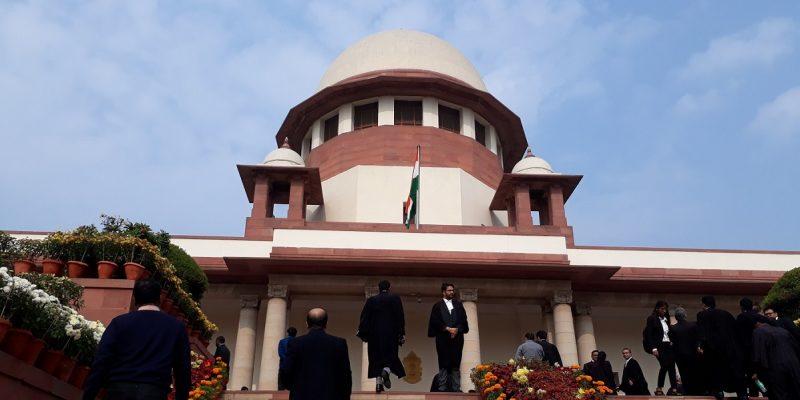
The Supreme Court of India has decided to re-examine its 1998 judgment that granted Members of Parliament (MPs) and Members of Legislative Assemblies (MLAs) immunity from prosecution for accepting bribes in exchange for making speeches or casting votes in Parliament or state legislatures. A five-judge Constitution bench, headed by Chief Justice DY Chandrachud, has decided to set up a seven-judge bench to re-examine the matter.
The 1998 judgment established that parliamentarians had immunity under the Constitution against criminal prosecution for any speech made and the vote cast inside the House. However, the decision to re-examine this judgment comes in response to a 2019 referral by a three-judge bench, which noted the “substantial public importance” of the issue. This referral was related to the Jharkhand Mukti Morcha (JMM) bribery case, involving an MLA accused of taking bribes for voting in a particular way during the Rajya Sabha elections.
This re-examination could have significant implications for the legal immunity currently enjoyed by MPs and MLAs regarding their parliamentary activities.
The Indian government has issued an advisory to its nationals and students in Canada, urging them to exercise caution due to “growing anti-India activities” and politically condoned hate crimes and violence in the country. The advisory specifically mentions threats targeting Indian diplomats and members of the Indian community who oppose an anti-India agenda. It advises Indian nationals to avoid traveling to regions and venues in Canada where such incidents have occurred.
This advisory comes in response to a diplomatic standoff between India and Canada, triggered by Canada’s allegations of Indian officials’ involvement in the killing of a Khalistani terrorist. Canada’s Prime Minister Justin Trudeau claimed to have “credible allegations” linking the killing to the “agents of the Government of India,” which led to the expulsion of a top Indian diplomat by Canada. In retaliation, India expelled a Canadian diplomat and rejected the allegations as “absurd and motivated.”
The tit-for-tat actions and escalating tensions have resulted in both countries issuing travel advisories for their citizens in each other’s nations.
The Indian Air Force (IAF) has taken delivery of the C-295 transport aircraft, part of a Make in India project aimed at upgrading the IAF’s transport fleet. The delivery took place at the Vadodara air base in Gujarat, India, a week after Airbus Defence and Space handed over the plane to the IAF in Spain. Air Chief Marshal VR Chaudhari, the IAF chief, received the aircraft in Spain, and it was flown to Vadodara by a joint IAF-Airbus crew.
The C-295 is set to enhance the IAF’s logistics capabilities, especially in forward areas near the contested border with China, and will replace the aging Avro transport aircraft that have been in service since the 1960s. The first C-295 will be formally inducted into the IAF at the Hindan Airbase on September 25, and it is expected to participate in the Air Force Day parade on October 8. The IAF will establish its first squadron of C-295s in Vadodara.
The C-295 procurement project involves a contract with Airbus for 56 aircraft to promote self-reliance in India’s defense manufacturing sector. Tata Advanced Systems Limited and Airbus are jointly executing the program, with Airbus delivering 16 aircraft in flyaway condition and the remaining aircraft assembled in India at the Tata facility in Vadodara.
The second C-295 is in final assembly in Spain and is expected to be delivered in May 2024, with the last of the 16 flyaway aircraft arriving by August 2025. The first “Made in India” C-295 is set to roll out of the Vadodara facility in September 2026, and the remaining 39 aircraft will be delivered by August 2031.
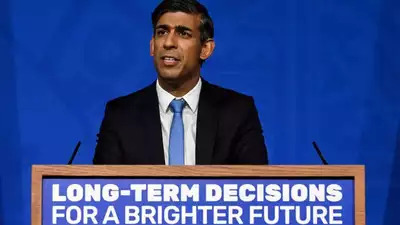
UK Prime Minister Rishi Sunak has announced a five-year delay in the ban on new gasoline and diesel cars, which was initially set for 2030. This decision has received mixed reactions and has led to concerns about the UK’s commitment to climate goals. Here are the key points regarding the delay and the reactions:
Delayed Ban on Gasoline and Diesel Cars:
The ban on new gasoline and diesel cars has been postponed from 2030 to 2035, effectively giving a five-year extension. This move is seen as a response to concerns about the costs associated with the initial deadline.
Weakening Climate Goals:
The decision to delay the ban has been criticized by environmental groups, opposition politicians, and parts of the UK industry. Critics argue that it waters down the UK’s climate goals and may hinder progress toward reducing carbon emissions.
Pragmatic Approach:
Prime Minister Sunak has defended the delay, stating that it aims to strike a more pragmatic and realistic balance between environmental goals and the impact on ordinary citizens.
Maintaining Net-Zero Commitment:
Despite the delay in the ban on gas and diesel cars, Sunak reaffirmed the UK’s commitment to achieving net-zero greenhouse gas emissions by 2050.
Other Environmental Proposals:
Sunak rejected various environmental proposals, including new aviation taxes, measures to promote carpooling, and taxes on meat. It’s worth noting that these proposals had not yet been implemented.
Industry and Political Reactions:
The decision has drawn mixed reactions. While some within the governing Conservative Party welcomed the move, it has raised concerns among automakers, environmentalists, and others. Automakers expressed frustration, as they had invested heavily in transitioning to electric vehicles.
Impact on Reputation:
Some experts and business leaders have voiced concerns that the delay may harm the UK’s reputation as a leader in green technology and climate action.
Political Considerations:
The decision to delay the ban comes after a special election in July, where the Conservative Party focused on opposing a tax on older, polluting vehicles. Some in the party believe that relaxing green policies could be politically advantageous in the run-up to the national election expected by the end of 2024.
Global Climate Concerns:
The announcement coincided with a gathering of senior politicians and diplomats at the United Nations General Assembly, where climate is a top priority. Climate experts emphasize the urgency of taking action to combat climate change.
Consensus on Climate Action:
Alok Sharma, who chaired the COP26 international climate conference in 2021, warned against fracturing the political consensus on environmental and climate action. He argued that such a move would not be electorally beneficial for any political party.
International Climate Goals:
With the world heading toward a temperature increase of 1.5 degrees Celsius above pre-industrial levels in about a decade, climate experts stress the need for countries to fulfill their net-zero commitments promptly.
In summary, the UK’s decision to delay the ban on new gasoline and diesel cars has sparked debate and concerns about its commitment to climate goals. While it is seen as a response to economic and political considerations, it also raises questions about the UK’s leadership in addressing climate change.
Ola Electric, led by Bhavish Aggarwal, is expediting its plans to go public and is now aiming to file the draft red herring prospectus (DRHP) for its $700 million IPO by the end of October. This move comes as the company initially targeted a public listing in 2024 but has now advanced its timeline.
Road to IPO
Earlier this year, Ola Electric initiated discussions with various banks, including Kotak, Citibank, and Goldman Sachs, regarding its upcoming public offering. The company is now urging its external advisers to prioritize meeting a five-week deadline for the DRHP filing.
IPO Details
Ola Electric’s IPO is expected to raise approximately $700 million. The company is planning roadshows for the IPO, scheduled for early January or February of the next year. This accelerated IPO timeline reflects Ola Electric’s ambition to enter the public markets and raise capital for its electric vehicle initiatives.
Conclusion
Ola Electric’s decision to fast track its IPO plans underscores its determination to access the capital needed to further its electric vehicle ventures. The upcoming IPO will be closely watched in India’s growing electric mobility sector, as the company seeks to compete and innovate in this evolving market.
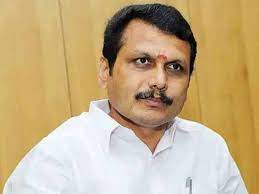
A sessions court in Chennai has denied bail to Tamil Nadu Minister V Senthil Balaji in a money laundering case. The Minister’s arrest earlier this year led to a legal battle, including an appeal to the Madras High Court for a bail hearing.
Arrest and Legal Battle
V Senthil Balaji was arrested by the Enforcement Directorate (ED) on June 14, 2023, in connection with allegations of money laundering. He was subsequently remanded in judicial custody but was admitted to a State-run hospital due to chest pain and uneasiness following his arrest. After undergoing bypass surgery at a private hospital, he was transferred to the Chennai Central Prison, where he has remained in custody.
High Court’s Advisory
The Madras High Court recently advised Tamil Nadu Chief Minister MK Stalin to decide on V Senthil Balaji’s continued role as a Minister despite his arrest and judicial custody. The court highlighted that his position as a Minister without Portfolio serves no purpose and does not align with the principles of constitutional governance.
Conclusion
The denial of bail to V Senthil Balaji underscores the legal complexities surrounding his case. The Madras High Court’s advisory brings the matter of his ministerial role into question, emphasizing the need for a decision on his continued tenure in the cabinet while in judicial custody.