On July 24, it had increased the temporary bail by five weeks.
The AAP leader was detained by the ED on May 30 of last year on suspicion of money laundering through four firms that were purportedly connected to him.
In a case involving money laundering, the Supreme Court on Tuesday increased the interim bail of former Delhi minister Satyendar Jain until September 25. Jain received the respite after an adjournment motion from Additional Solicitor General SV Raju was granted by a bench of Justices AS Bopanna and Bela M Trivedi. Jain’s representative, senior attorney Abhishek Singhvi, also consented to put the issue on hold.
After granting the senior Aam Aadmi Party (AAP) leader’s interim release, the top court then postponed the case till September 25. Additionally, it ordered Ankush Jain, another defendant, to be granted temporary release on bond for a period of four weeks due to his child’s upcoming surgery. A citizen has the right to get treatment of his choosing in a private hospital at his own expense, according to the top court, which granted interim bail to Jain on May 26 for six weeks prior to his spine surgery. On July 24, it had increased the temporary bail by five weeks.
The AAP leader was detained by the ED on May 30 of last year on suspicion of money laundering through four firms that were purportedly connected to him. On the basis of a CBI FIR filed against him in 2017 under the Prevention of Corruption Act, the anti-money laundering agency had arrested Jain. On September 6, 2019, the trial judge in the case brought by the CBI granted him regular bail.
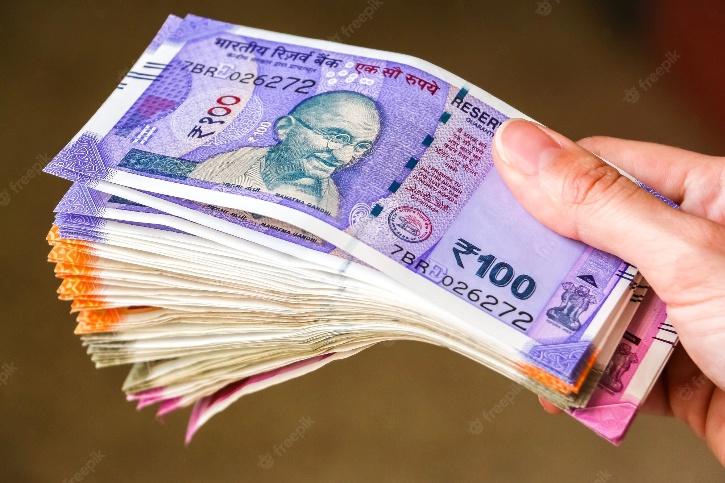
UPI, also known as Unified Payment Interface, is a source of national pride, with other countries always admiring it. With many more to follow, it recently passed the milestone of 10 billion transactions.
The RBI governor has introduced UPI Lite X, a new feature that makes it even simpler by enabling users to send and receive money “offline” or without internet connectivity. During the Global Fintech Fest 2023, Shaktikanta Das, the head of the RBI, demonstrated this feature.
Building on the popularity of the UPI LITE function, the RBI Governor launched UPI LITE X for Offline payments, according to a release from NPCI. Users can now initiate and complete transactions even in places with poor connectivity thanks to this functionality, which allows users to send and receive money totally offline. Later in the text, it is made clear that using NFC is necessary for offline transactions.
Describe UPI Lite X
Users using UPI Lite X can conduct transactions even in regions without internet access, such as underground stations and outlying areas. When the internet is down, this might be quite helpful for sending and receiving money, allowing for offline transactions.
What distinguishes ‘UPI Lite X’ from ‘UPI, UPI Lite’?
Compared to standard UPI and UPI Lite, UPI Lite X is unique. You can transfer money between bank accounts whenever you want, anywhere, using normal UPI. UPI Lite, on the other hand, is for tiny payments.
But UPI Lite X demands that the sender and receiver be in close proximity. With no precise transaction limit yet stated, it functions offline utilizing NFC and is similar to a handshake between two devices. While there are still some unanswered questions, NPCI will probably shortly reveal all the information.
The UPI is still the preferred method of payment, followed by UPI Lite. To improve payment communications in every way, UPI Lite X will put a special emphasis on rural areas.
The Chinese foreign ministry gave a positive initial assessment of the summit’s results, which were reached after two days of discussions that ended on Sunday.
China finally spoke out about the G20 summit in New Delhi, claiming that the Declaration approved by the participants gave a “positive signal” that the powerful alliance is “working together” to address global issues and support global economic recovery.
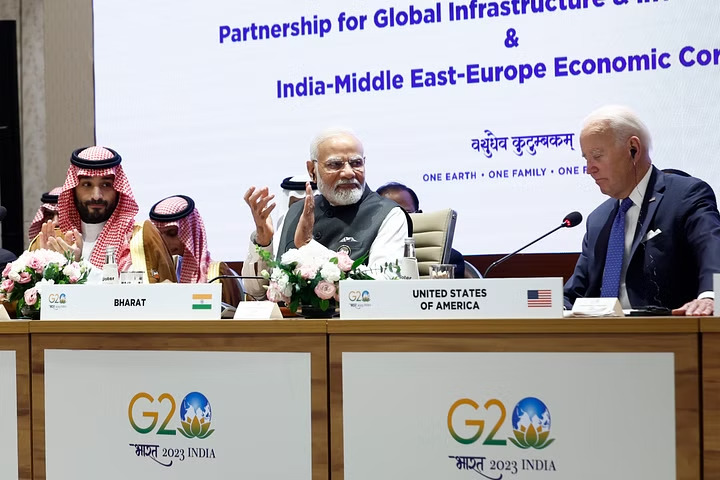
(L-R) On September 9, 2023, in the Bharat Mandapam in New Delhi, a session of the G20 Leaders’ Summit is attended by US President Joe Biden, Saudi Arabia’s Crown Prince and Prime Minister Mohammed bin Salman, Indian Prime Minister Narendra Modi, and Ursula von der Leyen of the European Commission. (AFP)
After the G20 summit, which was held under India’s leadership, adopted a consensus statement on the Russia-Ukraine war on Saturday, despite significant divisions, Prime Minister Narendra Modi urged for the “global trust deficit” to be resolved.
The Chinese foreign ministry gave a positive initial assessment of the summit’s results, which were reached after two days of discussions that ended on Sunday.
“The summit adopted a leaders’ declaration, which reflects China’s proposition and states that the G20 would act in concrete ways through partnerships, sending a positive signal of the G20 working together to tackle global challenges and promote world economic recovery and global development,” said Mao Ning, a spokesman for the Chinese Foreign Ministry.
When questioned about the summit’s conclusion, Mao responded, “In the process of preparing for this New Delhi summit, China played a constructive role and always supported the summit in attaching importance to the concerns of developing countries and reaching fruitful outcomes in support of common development.”
Premier Li Qiang of China attended the summit in place of President Xi Jinping.
When asked if China agrees that the G20 statement should not directly criticize Russia and if using softer language will assist put an end to the situation in Ukraine, Mao responded that China’s position on the matter is constant and clear.
“The G20 leaders’ declaration reflects the shared understanding of all members and is the outcome of consensus reached via engagement. The G20 Summit in New Delhi emphasizes that it is the leading forum for global economic cooperation and not a venue for resolving geopolitical and security issues.
“We always believe that the key to the final resolution of the Ukraine crisis lies in discarding the Cold War mentality, attaching importance to and respecting all sides’ legitimate security concerns, and seeking a political solution through dialogue and negotiation,” the official added.
The spokesperson declared that China will continue to support peace negotiations and collaborate with other nations to find a political solution to the Ukraine situation.
China has always given the G20’s work high priority and has actively participated in its work. According to Mao, the G20 should stand united and work together to solve the different dangers and problems facing the global economy and growth.
“Prime Minister Li Qiang elaborated on China’s views and proposals on G20 cooperation during his attendance at the G20 Summit in New Delhi, calling on all parties to stick to the original aspiration of solidarity and cooperation, live up to the responsibility for peace and development as required by our times, and be partners in promoting the global economic recovery, open cooperation, and sustainable development, ” the spokesperson said.
The G20 member nations account for over two-thirds of the global population, over 75% of global trade, and about 85% of the world’s GDP.
Argentina, Australia, Brazil, Canada, China, France, Germany, Greece, Italy, Japan, the Republic of Korea, Mexico, Russia, Saudi Arabia, South Africa, Turkey, the United Kingdom, the United States, and the European Union make up the group. The African Union was accepted as a permanent member of the G20 on Saturday.
Multibagger railway stocks in India experienced a significant rally, surging by up to 15% following an announcement made during the G20 Summit in New Delhi. Prime Minister Narendra Modi’s announcement regarding a shipping and rail transportation corridor linking countries across the Middle East, South Asia, and Europe had a positive impact on rail stocks.
Rally in Rail Stocks
IRCON International, a PSU rail stock, surged up to 15% on Monday, hitting a fresh 52-week high at Rs 154.65.
IRFC shares also saw a substantial increase, zooming 10% to reach the upper circuit limit at a fresh high of Rs 84.76.
Other rail-related companies such as RVNL and Titagarh Wagons witnessed gains of 9.4% and 5%, respectively.
Railtel, RITES, and Texmaco Rail also saw their shares rise by 2-3% each.
Reason Behind the Rally
While rail stocks have been performing well due to a strong government order book and railway modernization programs, the recent buying spree was primarily attributed to the announcement made during the G20 Summit. The proposed shipping and rail transportation corridor aims to connect countries across regions, including the Middle East, South Asia, and Europe.
Corridor Details
The corridor envisions a comprehensive rail and shipping connectivity network linking the US, India, Saudi Arabia, Gulf Arab states, and the European Union.
It plans to integrate railway routes and port linkages, spanning from India to Europe, passing through the United Arab Emirates, Saudi Arabia, Jordan, and Israel.
Cautionary Note
Investment advisor Sandip Sabharwal cautioned that such large-scale projects often take 8-10 years to materialize due to the need for extensive agreements between different countries and their long gestation periods. Therefore, investors should exercise caution and consider the extended timeline when investing in these stocks, especially given their recent rapid price increases.
The administration allegedly spent 300% more than what was budgeted for the G20, according to claims made by Congress and Trinamool.
The government refuted Trinamool leader Saket Gokhale’s latest assertion on the G-20 that the budget allotted for the summit had been 300% overrun. The PIB fact-checking team determined that the allegation is false because other infrastructure projects, in addition to hosting the G20 conference, have also received funding.
The Trinamool leader stated on Monday, citing reports, that the last Union Budget included 990 crore towards hosting the G20 conference. But in reality, the government spent 4,100 crore. The Trinamool politician wrote, “Why shouldn’t BJP be made to pay this extra 3110 cr considering it was clearly non-essential spending solely for Modi’s self-advertisement & personal PR for 2024 elections.”
The Congress raised it as well and criticized PM Modi for going over budget for his “show off.” “To boost his image before the Lok Sabha election, PM Modi paid additional money to have his posters put up. The silver and gold-plated tableware was part of the extravagant arrangements PM Modi made for the guests while concealing the city’s impoverished, according to the Congress film.
The two-day G-20 summit in Delhi, which marked the end of India’s year-long G-20 leadership, was decorated to welcome the heads of state from around the world. The summit’s unanimous agreement on the leaders’ declaration from New Delhi made it a success for India’s presidency.
Saket Gokhale stated there was flooding at the summit site on Sunday, the second day of the summit in Delhi. The situation of the infrastructure is THIS after spending 4,000 crores. How much of the G20’s $4000 billion was stolen by the Modi government? Tweets from Gokhake. Only minimal waterlogging in the open regions was observed following heavy rain, according to the PIB, and it was quickly cleared. The PIB asserted that there was no flooding.
The Indian Computer Emergency Response Team (CERT-In) has issued a high-severity warning for Android users. This alert pertains to multiple vulnerabilities discovered in various versions of the Android operating system, including the latest Android 13. These vulnerabilities have the potential to be exploited by malicious actors, putting users’ devices and sensitive information at risk.
Nature of Vulnerabilities
The vulnerabilities identified by CERT-In are attributed to flaws in various components, including the framework, system, Google Play system, Qualcomm components, and Qualcomm closed-source components. If successfully exploited, hackers or attackers could gain access to sensitive data stored on the affected device, execute remote code, or cause service disruptions, making these vulnerabilities highly concerning.
Affected Versions
The vulnerabilities impact Android versions 11, 12, and 13. Users of these versions are urged to update their devices to the latest operating system version promptly. Additionally, users should exercise caution when downloading and installing applications, ensuring that they only source apps from reputable sources.
Mitigation Measures
To mitigate the risks associated with these vulnerabilities, it is advisable to install the latest security patches released by device manufacturers. The severity of these vulnerabilities is deemed high, emphasizing the potential harm they could cause if exploited successfully.
Conclusion
Android users must take immediate action to protect their devices and sensitive data by applying the necessary updates and exercising caution when interacting with apps and online content. Stay informed about security updates and best practices to ensure a safer mobile experience.
Gameskraft was served a show-cause notice by the DGGI for allegedly evading taxes and operating an online betting site between August 2017 and June 2022.
The Karnataka High Court’s ruling earlier in May, which quashed the notification sent by the Goods and Services Tax (GST) department asserting that Gameskraft, an online gaming company, owed Rs 21,000 crore in back taxes, received a stay order from the Supreme Court on Wednesday.
The DGGI served Gameskraft with a show-cause notice for allegedly evading taxes and engaging in online betting between August 2017 and June 2022, pointing out that the company was promoting online betting through card, casual, and fantasy games like Rummyculture, Gamezy, and Rummytime.
The Supreme Court also sent notices regarding the Centre’s appeal appealing the show cause notice, and it has ordered Gameskraft to reply. The Supreme Court ruled that the matter would be heard in three weeks and that nothing unfavorable would happen during that time. The Centre may now begin recovery procedures against the online gaming company, according to the apex court, which declined to halt it.
Due to initial complaints, Gameskraft argued against the stay on the Karnataka High Court’s order. The online gambling corporation requested that the supreme court halt the collection of debts until the issue was settled. Gameskraft challenged the use of 28% GST on a little income of Rs 10 on a deposited of Rs 100 by players, claiming that it only received a modest sum from the wagers made by players.
The alliance between India and Saudi Arabia is becoming increasingly crucial for regional and global stability and prosperity. During talks with Saudi Crown Prince Mohammed Bin Salman bin Abdulaziz Al-Saud in New Delhi, Prime Minister Narendra Modi emphasized the significance of this partnership. Both nations are actively working to enhance their relationship to adapt to changing times.
The Strategic Partnership Council
The meeting between Modi and Bin Salman marked a significant moment as it inaugurated the India-Saudi Arabia Strategic Partnership Council. Prime Minister Modi mentioned the identification of several initiatives aimed at taking their partnership to new heights. The Strategic Partnership Council, established in 2019, serves as a platform to intensify collaboration across critical domains.
Strengthening Bilateral Relations
In recent years, India and Saudi Arabia have witnessed a notable upswing in bilateral relations, with a focus on enhancing defense and security cooperation. India’s Chief of Army Staff’s visit to Saudi Arabia in 2020 marked a milestone, leading to high-ranking military exchanges.
Trade and Economic Relations
Trade relations between the two countries have been robust, with bilateral trade reaching USD 52.8 billion in 2022-23. Both nations are exploring ways to further enhance economic cooperation.
Conclusion
The India-Saudi Arabia partnership holds the key to regional stability and prosperity. Their commitment to strengthening ties across various sectors, including defense, security, and trade, reflects the evolving dynamics of this vital relationship. As strategic partners, India and Saudi Arabia are poised to shape a prosperous future together.
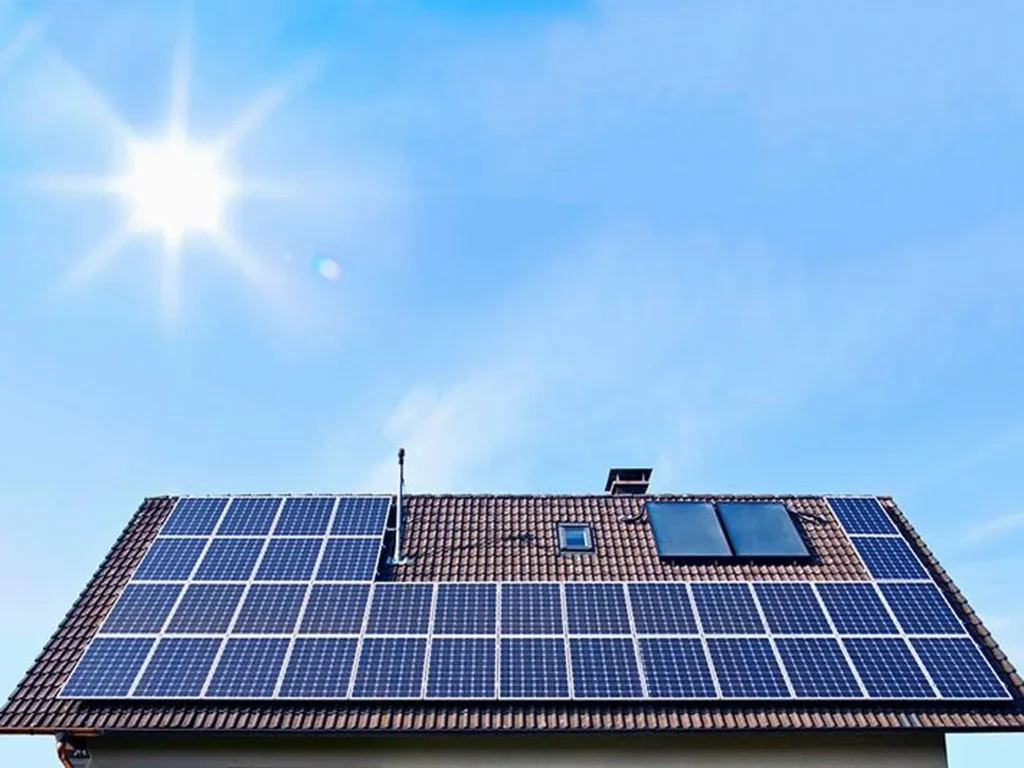
The US International Development Finance Corporation (DFC) has approved up to $425 million in financing for TP Solar Limited, a subsidiary of Tata Power Renewable Energy Limited (TPREL), to support its greenfield 4.3 GW solar cell and module manufacturing plant in Tamil Nadu’s Tirunelveli district. Tata Power is committed to expanding its clean energy capacity and aims to increase it from 38% to 70% by 2030. The manufacturing plant will play a pivotal role in India’s efforts to bolster its renewable energy manufacturing capabilities and achieve its 500 GW clean energy target by 2030.
DFC’s Role
DFC, America’s development finance institution, will partner with Tata Power to secure the supply chain and contribute to India’s transition to green energy. This investment aligns with India’s ambitious renewable energy goals and comes at a crucial time when global leaders are discussing energy transition and sustainability challenges. The Tirunelveli plant will not only produce high-wattage solar modules and cells but also implement smart manufacturing standards, creating over 2,000 employment opportunities.
Tata Power’s Commitment
Tata Power aims to bolster its renewable energy portfolio, which currently stands at approximately 7.8 GW, with 4.1 GW operational and 3.6 GW under implementation. The company already operates a solar cell and module manufacturing plant in Bengaluru with a capacity of 500 MW each. This financing support will significantly contribute to Tata Power’s efforts to lead India’s clean energy transition.
Conclusion
The DFC’s approval of $425 million in financing for Tata Power’s solar manufacturing plant underscores the importance of supporting India’s renewable energy manufacturing capabilities and achieving its clean energy targets. This investment represents a significant step in India’s journey toward a sustainable and green energy future.
August 2023 for AMFI Information: Between April and August 2023, wise investors invested Rs. 28,244 crore in mid- and small-cap funds.
According to the most recent mutual fund data issued by the Association of Mutual Funds in India (AMFI), SIP inflows for the month of August were at Rs. 15,813 crore, much higher than the Rs. 15,000 crore level for the second month.
Data demonstrates that despite markets moving into a higher valuation range, investors have kept to their rigorous strategy of choosing Systematic Investment Plans.
Investor interest in small-cap funds persisted in the month of August. Multicap funds, Mid Cap Funds, and Flexi Cap Funds, however, saw significant inflows in the month prior.
“Investors maintained their interest in small-cap funds with inflows of Rs. 4265 crore, keeping the run rate above Rs. 4000 crore for the third consecutive month. The other three categories that had significant inflows from investors were multicap funds with inflows of Rs. 3422 crore, midcap funds with inflows of Rs. 2512 crore, and flexi cap funds with inflows of Rs. 2193 crore, according to Gopal Kavalireddi, vice president of research at FYERS.
The monthly flows into equity mutual funds increased by 165% for the fifth consecutive month. Thematic funds took in the most money—Rs 4806 crore—of the inflows totaling Rs 20,245 crore.
In August, five new fund offers from the sectoral fund category brought in a combined total of Rs. 2556 crore. Seven NFOs in the equity categories raised a total of Rs. 5002 crore, while one hybrid category plan raised Rs. 2247 crore.
By the end of August, there were 46.63 trillion rupees in assets under management (AUM), up from 46.37 trillion, with equity AUM contributions of 18.4 trillion rupees, up from 17.8 trillion rupees (MoM).
“Net inflow into mutual funds stood at Rs.14,386 crore, a significant decrease from the inflows of Rs.82,046 crore in July. While the debt sector experienced net withdrawals of Rs. 25,872 crores, equity mutual funds continued to perform well, receiving net inflows of Rs. 20,245 crores, with hybrid fund inflows of Rs. 17,082 crores continuing their upward trend from last month, according to Kavalireddi.
The large-cap indices underperformed the mid-and small-cap indices during the past six months by a wide margin.
The benchmark Nifty 50 index fell by 2.53% in August, while the Nifty Midcap 100 index increased by 3.7%, following gains of 5.5% in July, 5.9% in June, and 6.25% in May.
“Given that Nifty Futures are currently trading above 20,000 levels, the enthusiasm reflected in the mutual fund inflow data for August 2023 is not surprising. Small- and mid-cap funds are popular right now, according to Viraj Gandhi, CEO of SAMCO Mutual Fund.
Investors in mutual funds are attracted by performance. The midcap 150 and small-cap 250 indices yielded roughly 8–9% in the previous month ending September 10, 2023, compared to 2% for the larger index Nifty 50, which may explain why these inflows have been observed. This was also brought on by a Rs 350 crore monthly outflow from large-cap funds, the speaker continued.
In August, the Nifty Smallcap 100 index increased by 4.6%, continuing the impressive monthly gains of 8% in July, 6.6% in June, and 5.1% in May.
Smart investors injected Rs. 28,244 crore into mid and small-cap funds between April and August after observing the underperformance of the larger markets at the start of the calendar year. Large-cap funds saw an outflow of Rs. 5588 crore within the same time period, according to Kavalireddi.
India’s market cap to GDP ratio has surpassed the 106% threshold and is currently approaching the overpriced zone.
“Prudent investors can look to take their foot off the pedal from infusing fresh lumpsum funds into the market and continue the SIP mode to counter any market correction or volatility in the near term,” suggested Kavalireddi.