The Maharashtra police in Pune have arrested two men and a woman on charges of defrauding a pharmacy shop owner by claiming to possess British-era gold coins.
According to officials, the suspects demanded Rs 30 lakh from the shop owner in exchange for a bag supposedly containing British gold-era coins, which they claimed were discovered during construction work in Goa.
The identities of the suspects have not been disclosed. To gain the shop owner’s trust initially, they showed him one coin with a Victorian mint mark. Subsequently, they handed over 16 kilograms of brass coins with a gold polish. These deceptive events occurred in February.
A First Information Report (FIR) was filed based on the complaint of a 55-year-old medical shop owner in the Khadki area, under the jurisdiction of the Khadki police station.
It is believed that this scam began in the second week of February when one of the individuals started visiting the shop to befriend the owner and gain his confidence.
An officer from the Khadki police station explained, “The person told the complainant that he and his friends had discovered a trove of buried gold during excavation work for an ongoing road construction project in Goa. The suspects claimed that the treasure consisted of 28 kilograms of gold coins from the British era and offered to sell it to him for Rs 50 lakh.”
The medical shop owner informed the police that the deal was finalized for 16 kilograms of gold coins in exchange for Rs 30 lakh and requested a sample to verify the authenticity.
During one of their meetings, one of the suspects, carrying a bag of purported ‘antique’ coins, presented a coin to the complainant. To everyone’s surprise, this coin turned out to be genuine when the complainant had it verified by a jeweler. On February 26, along Chakan Mhalunge Road, the suspects executed the exchange, taking Rs 30 lakh in cash from the shop owner in return for the bag of gold coins. However, it was only later that he realized that all the coins were counterfeit, composed of brass or similar metals, merely coated with a gold-colored polish.
By that time, the fraudsters had fled and could not be contacted.
Officials reported that the complainant had made several unsuccessful attempts to reach the fraudsters over the past few months, leading him to seek police assistance to file a formal complaint.
Sub-Inspector Anil Rikibe, leading the investigation, mentioned that his team is actively pursuing various leads provided by the complainant. He emphasized the importance of the public being vigilant, urging them not to fall for such scams and to immediately report them to the police if encountered. Currently, the police are investigating how the brass coins acquired Victorian mint marks.
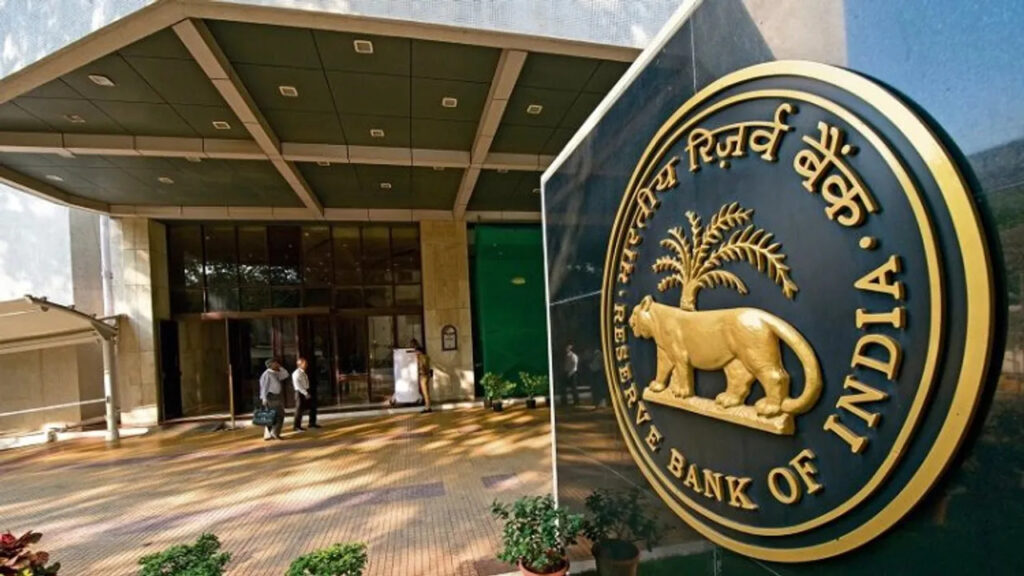
According to data released by the Reserve Bank of India (RBI) on Thursday, India’s external debt increased slightly to USD 629.1 billion at the end of June 2023, compared to USD 624.3 billion at the end of March 2023. Despite the marginal rise in debt, the debt-to-GDP ratio decreased, with RBI stating that it declined from 18.8 percent at the end of March 2023 to 18.6 percent at the end of June 2023.
A significant portion of India’s external debt was denominated in US dollars, comprising 54.4 percent, followed by debt in Indian rupees (30.4 percent), Special Drawing Rights (SDR) (5.9 percent), yen (5.7 percent), and the euro (3.0 percent). The valuation effect, driven by the US dollar’s appreciation against major currencies like the yen and SDR, accounted for USD 3.1 billion.
Excluding the valuation effect, the external debt would have seen an increase of USD 7.8 billion at the end of June 2023 compared to the end of March 2023, as per the central bank.
The data also revealed that long-term debt, with an original maturity period exceeding one year, amounted to USD 505.5 billion at the end of June 2023, marking an increase of USD 9.6 billion compared to the previous quarter. Meanwhile, the share of short-term debt, with an original maturity period of up to one year, declined from 20.6 percent at the end of March 2023 to 19.6 percent at the end of June 2023.
RBI noted that while the outstanding debt of the general government decreased, non-government debt increased at the end of June 2023. Non-financial corporations held the highest share of outstanding debt in total external debt at 39.8 percent, followed by deposit-taking corporations (excluding the central bank) at 26.6 percent, the general government at 21.1 percent, and other financial corporations at 7.6 percent.
Additionally, loans remained the most significant component of external debt, accounting for 32.9 percent, followed by currency and deposits, trade credit and advances, and debt securities.
Gold and silver prices in Delhi remained stable on Wednesday, with 10 grams of 22-carat gold priced at ₹54,900. The rate for 22-carat gold remained unchanged at ₹5,475 per gram. Larger quantities, like 8 grams and 10 grams, were priced at ₹43,800 and ₹54,750, respectively. The cost of 100 grams of 22-carat gold was ₹5,47,500, while 24-carat gold was priced at ₹5,995 per gram.
Silver prices also remained steady, with one kilogram of silver having a nationwide cost of ₹74,800.
City
Gold(Rs/10gram)
Silver (Rs/kg)
Chennai
55,050
77,600
Mumbai
54,750
74,800
Delhi
54,900
74,800
Kolkata
54,750
74,800
These price fluctuations are influenced by various factors, including input from reputable jewelers. Global gold demand, currency values in different countries, prevailing interest rates, and government regulations related to gold trade all contribute to these changes. Additionally, global events, such as the state of the global economy and the strength of the US dollar against other currencies, impact gold prices in the Indian market.
Karnataka Bank has launched a groundbreaking “Door-Step Gold Loan” service called “KBL-Swarna Bandhu” for its customers. This innovative product represents a significant leap in gold loans, integrating end-to-end digitization to provide Gold Loan Services directly at the customer’s doorstep.
Gradual Rollout
Initially, the “KBL-Swarna Bandhu” service will be accessible in select centers of the bank, with plans to expand it to all branches gradually. The Doorstep Gold Loan service aligns with the bank’s strategic goal of building a strong and healthy gold loan portfolio by leveraging technology and doorstep service.
Strategic Partnership with SahiBandhu
To implement this service, Karnataka Bank has partnered with SahiBandhu, an aggregator platform specializing in gold loans and backed by The Manipal Group. SahiBandhu will serve as both a Corporate Business Correspondent and a Lending Service Provider. This collaboration adheres to existing digital lending guidelines and aims to enhance the bank’s gold loan portfolio.
Digital Innovation and Customer Satisfaction
SriKrishnan H, MD & CEO of Karnataka Bank, expressed that the Door-Step Gold Loan model is an innovative approach to lending against gold, fostering a dynamic synergy within the bank’s gold loan portfolio. The collaboration reflects the bank’s commitment to digital innovation and improving customer service, ultimately aiming to deliver greater customer satisfaction.
A New Digital Avatar
Sekhar Rao, Executive Director of Karnataka Bank, highlighted the bank’s progress in fintech initiatives and its vision to transform the century-old bank into a new digital avatar.
Unlocking New Opportunities
Rajesh Shet, Co-Founder and CEO of SahiBandhu, emphasized their commitment to customer-centricity and their dedication to excelling in the gold loan industry. Together with Karnataka Bank, they aim to unlock new opportunities and provide digital-first lending solutions through their gold loan aggregator platform.
Success in real estate investing in India hinges on recognizing and responding to market cycles. India’s real estate market, like any other, goes through phases of Recovery, Expansion, Hyper-Supply, and Recession. Each phase presents distinct opportunities and challenges for investors.
Recovery Phase (Bargain Hunting)
After a recession, property prices and sales activity start improving. Investors should seek undervalued properties in areas with strong economic fundamentals, keeping a long-term focus in mind.
Expansion Phase (Ride the Momentum)
During this phase, property prices and demand surge. Consider short to medium-term investments, diversify your portfolio, and conduct thorough research to identify areas with sustained growth potential.
Hyper-Supply Phase (Caution Required)
Developers rush to meet demand, leading to an oversupply of properties. Exercise caution, focus on properties with strong rental potential, and negotiate effectively with developers.
Recession Phase (Seeking Opportunities)
In this phase, property prices fall, and demand decreases. Look for distressed sales to acquire assets at reduced prices, maintain cash liquidity, and consider strategic exits.
Capitalizing on India’s Real Estate Trends
Robust Growth
India’s real estate market is experiencing strong growth in property prices and demand, with residential sales expected to reach record highs in 2023.
Tier 2 and 3 Cities
These cities are driving growth due to improved infrastructure, rising incomes, and affordable housing initiatives.
Affordable Housing
The government’s “Housing for All” initiative is boosting the affordable housing segment, making it a lucrative investment option.
Technology Adoption (PropTech)
The PropTech market is growing rapidly in India, offering tools to streamline property investment processes.
ESG Considerations
Investors should consider ESG-compliant projects, which are expected to account for a significant portion of residential sales in India by 2025.
Leveraging Current Trends
Tier 2 and 3 City Investments: Explore opportunities in these cities, focusing on affordable housing and commercial real estate.
ESG Investments: Allocate capital to ESG-compliant projects for higher returns and positive societal impacts.
Embrace PropTech: Utilize technology solutions to enhance property investment efficiency.
In Conclusion
India’s real estate market is in an expansion phase, offering attractive prospects for investors. By understanding market cycles and embracing current trends, investors can maximize their returns while contributing to the nation’s development.
The Goods and Services Tax Network (GSTN) has introduced significant changes to the e-invoicing process in the GST system. Presently, taxpayers with an annual aggregate turnover exceeding Rs 5 crore are mandated to implement e-invoicing, necessitating the reporting of their B2B and export invoices, along with debit or credit notes, on designated Invoice Registration Portals (IRPs)
Revised Time Limits
The GSTN had initially released an advisory on April 13, 2023, outlining the time limits for reporting invoices on the e-invoice IRP portals. As per this advisory, taxpayers with PAN-based annual turnover equivalent to or exceeding Rs 100 crore were supposed to abide by a time restriction. Initially set to commence on May 1, 2023, these entities would have been restricted from generating Invoice Reference Numbers (IRN) beyond 7 days from the document’s date (e.g., tax invoice or debit/credit note).
Deferred Implementation
However, the enforcement of this Rs 100 crore turnover threshold was postponed by three months, providing businesses with additional time to adapt to the new requirements.
Stricter Time Limits from November 2023
A recent advisory from the National Informatics Centre has set new deadlines for e-invoice reporting. Starting from November 1, 2023, taxpayers with PAN-based annual turnovers of Rs 100 crore or more will have a tighter reporting window. They will be disallowed from generating IRNs after 30 days from the document’s date. Consequently, businesses falling within this category must ensure timely e-invoice generation to comply with the revised time limit, as the system’s in-built validation will prevent reporting beyond the 30-day timeframe.
Implications for Taxpayers
This change will have a considerable impact on businesses with high turnovers, necessitating meticulous adherence to the new e-invoicing regulations to avoid non-compliance penalties.
The Railway Senior Citizens Welfare Society (RSCWS) has appealed to the government to implement the recommendations of a Parliamentary Standing Committee regarding additional pension for senior citizens. The committee’s 110th report suggested granting a 5% additional quantum of pension at the age of 65, followed by 10% at 70, 15% at 75, and 20% at 80 years for pensioners. The Ministry of DoP&PW had also stressed the need for early implementation of these recommendations.
Financial Implications and Request for Sympathetic Consideration
While the government seems to agree with the recommendations for additional pension at various age milestones, it has not implemented them due to financial implications, as mentioned in the 120th Report of the Parliamentary Committee on Pensioners’ grievances. The RSCWS has requested that these recommendations be implemented to ease the financial burden on pensioners, especially considering the rising costs of healthcare and other responsibilities in old age.The memorandum highlights the hardships faced by pensioners as they age, emphasizing the need for financial support to maintain their quality of life. It calls for a sympathetic review of the financial implications and urges the government to allocate the necessary funds for the proposed additional pension.
Impact on Central Government Employees
It’s essential to note that the pay and pension of Central Government Employees are determined based on the recommendations of the 7th Pay Commission, making this appeal of significant relevance to a large segment of retirees in the country.
Pankaj, a retired military officer, inherited a property valued at Rs 18 crore through a gift deed from his father in March 2020. To save on long-term capital gains (LTCG) tax, he recently purchased a flat for Rs 9 crore in March this year. Pankaj’s question is about the timeline for selling the inherited property to avoid LTCG tax.
Under Section 54 of the Income Tax Act, individuals can save LTCG tax from the sale of a residential house property (RHP) by purchasing a new RHP within one year before the transfer, or within two years from the date of transfer, or by constructing an RHP in India within three years from the transfer date. Since Pankaj has already bought a flat, he should aim to sell the inherited property by March 2024 to avail of this exemption. It’s important to note that the new RHP should be held for a minimum of three years; otherwise, the earlier claimed exemption may be withdrawn if it’s sold within this period.
Secure Retirement with Investments
Pankaj also wants to invest Rs 4-5 crore to secure a 3/6 monthly payout of about 7% per annum for his retirement safety. It’s advisable for him to consult an investment advisor to make an optimal investment choice aligned with his retirement objectives.
In summary, Pankaj can save LTCG tax by selling the inherited property within the specified timeline and secure his retirement by making informed investment decisions with the help of a financial advisor
ICICI Prudential PMS Contra Strategy has celebrated its five-year anniversary. This investment offering from ICICI Prudential Portfolio Management Services takes a contrarian approach by investing in equity stocks that are currently out of favor in the market but are expected to perform well in the long run. The portfolio may also include stocks from sectors with high entry barriers, sectors experiencing consolidation, or companies in special situations.
Launched on September 14, 2018, ICICI Prudential PMS Contra Strategy has reported strong performance over the years. According to a statement, a lump sum investment of Rs 1 crore at the time of inception would have grown to approximately Rs. 2.4 crore by September 14, 2023, with an annualized return of 20%. In comparison, a similar investment in S&P BSE 50 TRI would have yielded an annualized return of 14%, reaching approximately Rs. 1.8 crore.
Anand Shah, Head of PMS & AIF Investments, highlighted the investment framework’s core belief that companies create wealth, not markets.
Over the past five years, the Contra Strategy has primarily focused on manufacturing and related sectors to generate alpha. The statement noted that manufacturing sectors such as metals, industrial products, and auto ancillaries, as well as manufacturing-related sectors like logistics, corporate banks, and utilities, presented attractive investment opportunities with reasonable valuations and strong earnings potential.
Additionally, the strategy’s decision to go underweight on Information Technology (IT), Consumer Goods, and the Pharmaceutical sector contributed to its strong fund performance.
ICICI Prudential PMS Contra Strategy’s success highlights the effectiveness of its contrarian approach and sector-focused investment strategy.
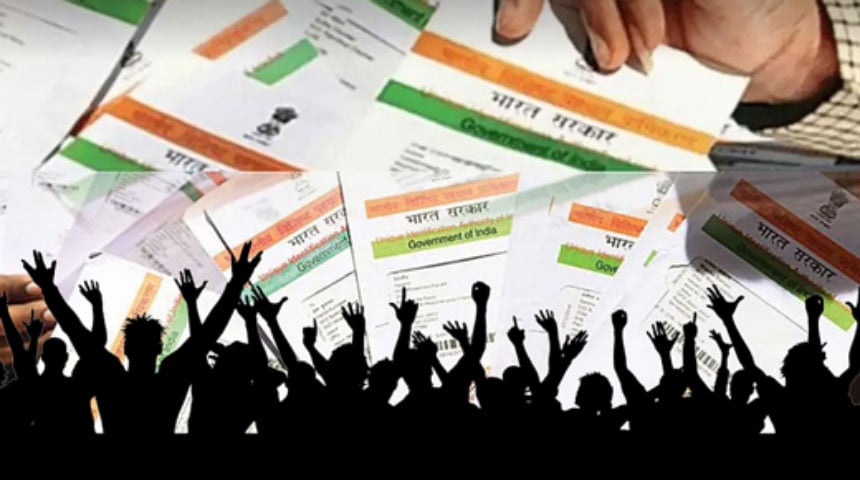
The Unique Identification Authority of India (UIDAI), responsible for India’s Aadhaar digital identification system, has refuted concerns raised by global rating agency Moody’s regarding the reliability of biometric authentication, privacy, and security features of Aadhaar.
UIDAI stated that Moody’s report did not provide any primary or secondary data or research to support the opinions expressed in it and made no attempt to verify the issues raised with the authority.
Moody’s report had expressed concerns about the reliability of biometric technologies, particularly in hot and humid climates, and mentioned service denials for manual laborers. It also suggested that decentralized identity (DID) solutions were being explored as alternatives to centralized ID systems like Aadhaar due to privacy and security vulnerabilities.
UIDAI countered these claims, stating that seeding Aadhaar in the Mahatma Gandhi National Rural Employment Guarantee Scheme (MGNREGS) database did not require biometric authentication. Payments to workers under the scheme are made by directly crediting money to their accounts, bypassing biometric authentication.
UIDAI also emphasized that state-of-the-art security solutions, federated databases, and data encryption at rest and in motion were in place, along with certifications conforming to international security and privacy standards.
Aadhaar has played a crucial role in India’s Direct Benefit Transfer (DBT) schemes, saving the government INR 2.7 trillion by curbing leakages in welfare programs between FY15 and FY22. It is considered the foundational Digital Public Infrastructure (DPI) of India’s digital infrastructure. The recent G20 New Delhi Declaration welcomed the G20 Framework for Systems of Digital Public Infrastructure and India’s plan to create a Global Digital Public Infrastructure Repository (GDPIR), a repository of DPI shared by G20 members and others.
UIDAI’s response seeks to reassure the public and address concerns about Aadhaar’s reliability and security, emphasizing its importance in India’s digital ecosystem.