Non-resident Indians (NRIs) and Overseas Citizens of India (OCIs) have the opportunity to invest in the National Pension System (NPS), which offers various benefits for their retirement planning. Here are the key details that NRIs and OCIs should be aware of when considering NPS investments:
Why Invest in NPS? NPS is a government-regulated retirement savings scheme in India that empowers individuals to contribute to their pension accounts, providing control and financial security. It offers diverse pension investment options tailored to individual preferences and risk appetites, allowing for a personalized retirement savings strategy.
Differences for NRIs and OCIs:
NRIs need to make a minimum contribution of Rs. 500 initially and a minimum annual investment of Rs. 6,000 to keep the account active (compared to Rs. 1,000 for domestic investors).
There is no upper limit for NRIs’ NPS investments.
The accumulated corpus in NPS is repatriable for NRIs/OCIs, allowing funds to be transferred abroad, which domestic investors cannot do.
How to Invest: NRIs can open NPS accounts with banks on a repatriable or non-repatriable basis and invest using their Non-Resident External (NRE) or Non-Resident Ordinary (NRO) bank accounts. PFRDA regulations do not significantly distinguish between resident Indians and NRIs/OCIs, except for currency exchange norms. NRIs cannot invest in Tier 2 NPS accounts.
Contributions: NRIs must contribute from their NRE/NRO accounts, and withdrawals will be credited in Indian Rupees (INR) to the NRO Account.
Tax Benefits: NRIs can enjoy the same tax benefits as domestic subscribers, including deductions under sections 80C and 80CCD1B of the Indian Income Tax Act. They can claim deductions of up to INR 1,50,000 under section 80C and an additional INR 50,000 under section 80CCD 1(B) annually on their NPS investment.
Age Limit and Documents Required: NRIs aged between 18 and 70 can obtain a Permanent Retirement Account Number (PRAN) for NPS. Required documents include Aadhar number linked to a mobile number, a signature copy, a cancelled cheque or PAN details, and a passport.
Investment Amount: NPS offers flexibility, with a minimum contribution per transaction of Rs. 500 and a minimum annual contribution of Rs. 1,000. There is no maximum limit, allowing investors to build their retirement corpus according to their financial goals.
Withdrawal on Maturity: Upon maturity, NRIs must purchase mandatory annuities in India. The 60% withdrawal can be credited in INR to the NRO Account and subsequently repatriated to other currencies. The remaining 40% of the corpus must be invested in an annuity plan based on the investor’s choice, with tax treatment determined by the Double Taxation Avoidance Agreement (DTAA) of their country of residence.
Withdrawal Before Maturity: NRIs can partially withdraw from Tier I NPS accounts after three years of investment, with a maximum of 25% of the invested amount allowed per withdrawal, and a maximum of three withdrawals in a lifetime.
Country-Specific Restrictions: Currently, there are no country-specific restrictions for NRIs to invest in NPS; currency exchange norms will apply.
Important Considerations: NRIs and OCIs should meet age requirements, have valid NRE/NRO bank accounts, comply with KYC norms, and possess a valid Aadhaar or PAN card. They can only open Tier I NPS accounts, and if they cease to be Indian citizens, their NPS subscription will be discontinued.
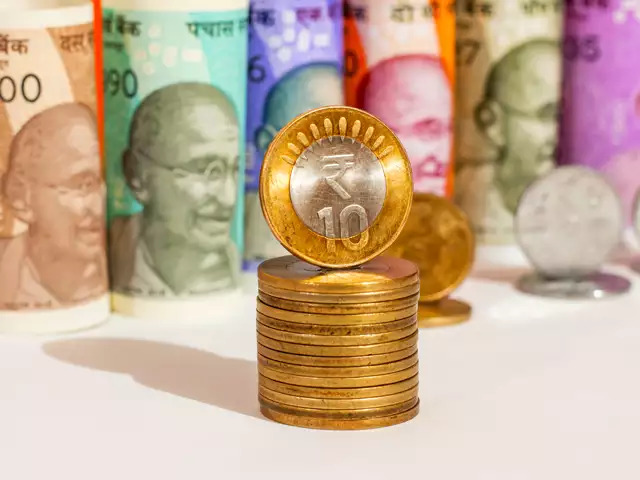
On Tuesday, the Indian rupee experienced a 15 paise depreciation to conclude at 83.21 (provisional) against the US dollar. This decline was attributed to a robust US dollar and a lackluster performance in the domestic stock markets, which adversely affected investor sentiments. Forex traders noted that subdued domestic macroeconomic data and sustained outflows of foreign institutional investments (FIIs) also added downward pressure on the rupee.
In the interbank foreign exchange market, the rupee commenced trading at 83.21 against the US dollar and fluctuated within a range of 83.23 to 83.17. Ultimately, the rupee settled at 83.21 (provisional), marking a 15 paise drop from its previous close. Notably, the rupee had appreciated by 13 paise to reach 83.06 against the US dollar on the preceding Friday. On Monday, the domestic forex market had remained closed in observance of Mahatma Gandhi Jayanti.
Meanwhile, the dollar index, which gauges the strength of the US dollar against a basket of six major currencies, saw a 0.14% increase, reaching 104.05. In the global oil market, Brent crude futures, the benchmark for global oil prices, exhibited a marginal decline of 0.02% to reach USD 90.69 per barrel.
Analysts anticipate that the rupee may continue to experience a negative bias due to hawkish comments from the Federal Reserve (Fed) and the prevailing strength of the US dollar. Additionally, concerns related to risk aversion in global markets could further weigh on the Indian currency. However, a potential decline in crude oil prices and potential dollar sales by the Reserve Bank of India (RBI) might offer some support to the rupee at lower levels. Forex traders are likely to monitor data such as JOLTS job openings from the US and exercise caution ahead of the RBI’s upcoming monetary policy meeting.
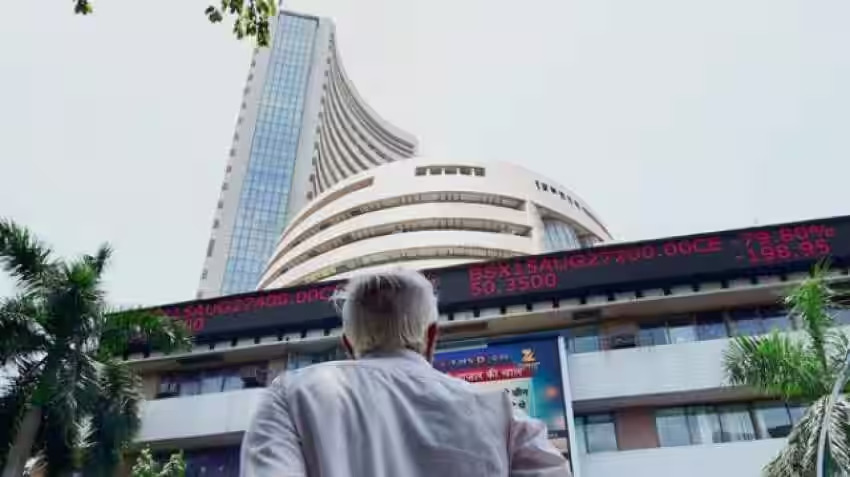
Regarding the domestic equity markets, the BSE Sensex, a benchmark stock index, concluded the trading session with a 316.31-point or 0.48% decline, settling at 65,512.10. Likewise, the broader NSE Nifty recorded a decrease of 109.55 points or 0.56%, closing at 19,528.75.
Foreign Institutional Investors (FIIs) were net sellers in the Indian capital market on the preceding Friday, as they divested shares valued at Rs 1,685.70 crore, as per exchange data. A monthly survey revealed that manufacturing activities in India contracted to a five-month low in September, primarily due to a softer increase in new orders, which tempered production growth. The S&P Global India Manufacturing Purchasing Managers’ Index (PMI) decreased to 57.5 in September from 58.6 in August, marking its lowest level in five months.
In summary, the rupee faced depreciation pressures on account of a strong US dollar, subdued domestic equities, and other economic factors, while traders remain watchful of both global and domestic developments that may impact the currency’s performance.
Motilal Oswal Asset Management Company (MOAMC) has introduced the Motilal Oswal Nifty 500 ETF, aiming to provide investors with exposure to over 90% of India’s listed market capitalization and the opportunity to participate in the country’s growth trajectory. This ETF is scheduled to be listed on the NSE on October 6, 2023, with the trading symbol ‘MONIFTY500.’
The Motilal Oswal Nifty 500 ETF is designed to replicate the total returns of the Nifty 500 Index, which tracks the performance of the top 500 companies based on market capitalization. Unlike the Nifty 50 Index, the Nifty 500 Index is more diversified, with its top 10 holdings accounting for only 37%, compared to 58% in the Nifty 50 Index. Additionally, it offers exposure to 21 sectors, including textiles, consumer services, media, and forest materials, not covered by the Nifty 50 Index, providing a balanced mix of Largecap (75%), Midcap (16%), and Smallcap (9%) stocks.
Over the past three years, the Nifty 500 Index has delivered an annualized return of 25% as of August 31, 2023. Historically, the Nifty 500 Index has outperformed the Nifty 50 Index over the medium to long term, thanks to the strong performance of mid and small-cap segments. Remarkably, the Nifty 500 Index has exhibited similar or lower risk (measured by standard deviation) despite the inclusion of potentially more volatile midcap and smallcap stocks.
The Motilal Oswal Nifty 500 ETF offers diversification across 500 stocks and 21 sectors, helping to mitigate concentration risk. It has a strong track record, with a 1-year tracking error of just 4 basis points (bps) as of August 31, 2023, which is lower than the tracking error observed in Index Funds and ETFs tracking the Nifty 50 Index.
The investment objective of the scheme is to provide returns that correspond to the total returns of the Nifty 500 Total Return Index, subject to tracking error. However, there is no guarantee of achieving this objective.
This ETF is suitable for investors seeking diversification across market caps, sectors, and stocks to manage risk effectively while capitalizing on India’s promising economic future. The minimum application amount for the Motilal Oswal Nifty 500 ETF is Rs. 500/-, with subsequent multiples of Re. 1/-. Investors can purchase or redeem units through a financial advisor or the Motilal Oswal Mutual Fund website.
During the past week, the financial markets experienced a period of consolidation, with benchmark indices largely unchanged as they took a break from recent declines. Despite multiple attempts at recovery, global market influences and pressure on certain heavyweight stocks continued to weigh on sentiment, limiting any significant upward movement. The sectoral performance was mixed, with gains in the realty and pharma sectors but losses in IT and auto sectors. Notably, broader indices outperformed, which helped alleviate some of the pressure.
Our market movements are closely aligned with global trends, and the prevailing structure suggests that pressure may persist. For example, the Dow Jones Industrial Average (DJIA), a key US benchmark, is trading below its long-term moving average (200 EMA), and further declines could occur if it breaks below 33,200.
Despite the correction, certain stocks across various sectors are displaying resilience and providing opportunities for investment. Additionally, broader indices are still holding above their short-term moving average (20 EMA), which adds a positive aspect. In light of this, it is advisable to focus on individual stocks while prioritizing risk management.
Regarding benchmark levels, traders should consider key support and resistance levels given the current choppy market conditions. Furthermore, we have identified specific stocks from the F&O baskets that could be suitable for both long and short trades.
Nifty (Current Market Price: 19,638.30): Nifty made several attempts to breach the short-term moving average, the 20 EMA, last week but was unsuccessful. The bearish sentiment is likely to persist until it surpasses 19,750, and we anticipate a test of the 19,200-19,450 range in the near future. Conversely, a decisive breakthrough above this hurdle could trigger a recovery towards 19,850-20,000.
Bank Nifty (Current Market Price: 44,584.50): The banking index is grappling with resistance within the moving averages ribbon, primarily due to underperformance in the private banking sector. A breach below 44,100 could initiate the next leg of downward movement towards the 43,500-43,800 range. To retest the 45,300-45,900 zone, a sustainable recovery above 44,900 is necessary.
Last week, our outlook for HDFC Bank was bearish, with expectations of further declines targeting the 1370-20 range. However, the downward momentum has slowed down, leading us to consider the possibility of a recovery attempt within the 1525-1460 range or even a complete recovery with a push above 1570. Such a recovery could reduce the stock’s heavy bearish bias. It’s important to note that HDFC Bank carries a 29% weightage in the Bank Nifty index, so its movement can significantly impact the index. Additionally, more than 50% of Bank Nifty constituents are currently trading above their 50-day moving averages, indicating the potential for new leaders to emerge. The Bank Nifty index appears poised for a bounce back, but we would be interested in initiating short positions on a pullback to 45,000. However, we anticipate a breakout beyond this level in the latter part of October.
Furthermore, foreign institutional investors (FIIs) have increased their short positions in index futures, constituting 27% of shorts in this segment among participants. The short-to-long proportion of FII positions has reached 70%, a historically high figure. However, it’s essential to consider these figures in the context of the total open interest of shorts, which is still lower than what was observed at the beginning of September. Notably, we saw a similar extreme in short positions in late July, followed by an uptrend. October has historically been a favorable month for Nifty, and the high level of shorts sets up an ideal scenario for potential reversals. In the case of Nifty, the 19,420-19,320 range presents a hurdle before reaching 18,600, a level hinted at by last week’s sharp decline. However, an inside bar observed on Friday suggests the possibility of a revival and a move beyond 20,000 if a close above 19,780 is achieved. With the Sensex, the resistance at 66,100 resembles rejection trades, but if it doesn’t slide below 65,700, we anticipate a return to a sustainable uptrend, with an initial target at 66,500.
Similar to the indices, the USDINR pair faced challenges last week, particularly in surpassing the 83.27-83.44 barrier. The subsequent pullback found support around the key level of 82.78, maintaining a neutral bias. While there were some upward movements, none gathered enough momentum. As we start the week, we expect fluctuations but maintain a positive bias as long as the pair remains above 82.98.
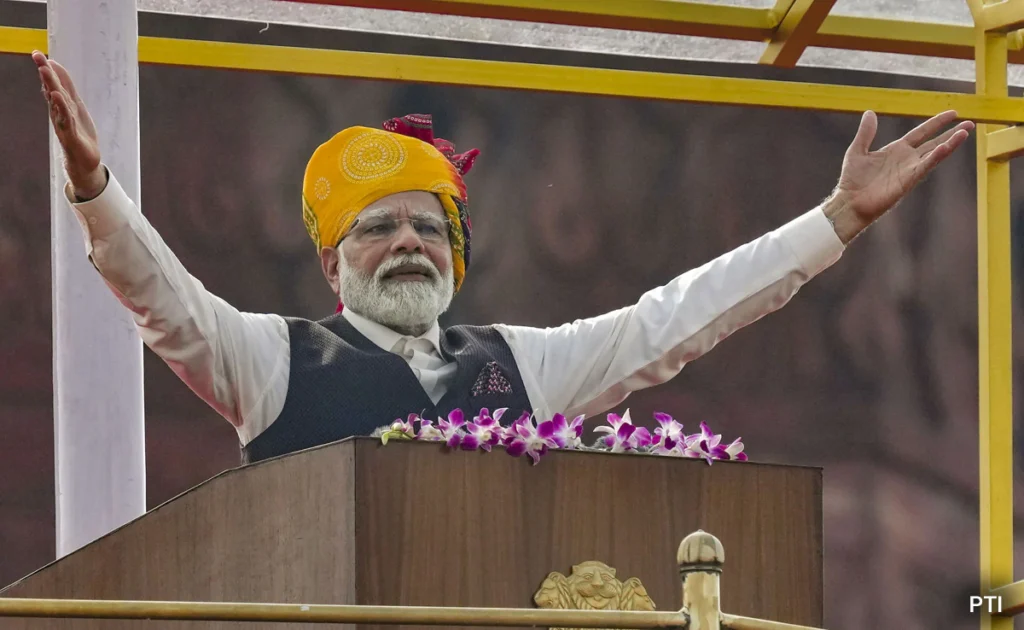
Prime Minister Narendra Modi inaugurated and laid the foundation stone for a series of development projects worth approximately ₹27,000 crore in Chhattisgarh. The initiatives include the NMDC Steel Ltd’s greenfield steel plant in Nagarnar, which has been built at a cost of over ₹23,800 crore and is expected to produce high-quality steel.
Vision for a Developed India
PM Modi highlighted his vision of a developed India, emphasizing that true progress is achieved when every part of the country experiences development. The projects inaugurated and initiated during his visit are significant steps towards achieving this vision.
NMDC Steel Ltd’s Steel Plant at Nagarnar
The steel plant in Nagarnar is poised to create numerous employment opportunities, both in the plant itself and in associated ancillary and downstream industries. It is expected to put Bastar on the global steel industry map and contribute to the socio-economic development of the region.
Enhancing Rail Connectivity
During his visit, PM Modi also dedicated a new rail line between Antagarh and Taroki and launched a rail line doubling project between Jagdalpur and Dantewara. These rail projects are set to improve connectivity in tribal areas of Chhattisgarh, benefiting local communities and fostering economic growth.
Road Infrastructure Upgrades
Additionally, the Prime Minister laid the foundation stone for the Boridand-Surajpur rail line doubling project and the redevelopment of Jagdalpur Station under the Amrit Bharat Station Scheme. He flagged off the Taroki–Raipur DEMU Train Service, further enhancing transportation options in the region.
Improved Road Connectivity
PM Modi also inaugurated a road upgrading project from ‘Kunkuri to Chhattisgarh-Jharkhand Border section’ of National Highway-43, aimed at improving road connectivity and benefiting the people of the region.
These development projects not only enhance infrastructure but also have significant socio-economic implications for Chhattisgarh. Moreover, they hold political significance as the state is among five that will hold elections by the end of the year, with the BJP aiming to unseat the Congress government in power since 2018.
Chief Justice Sunita Agarwal of the Gujarat High Court has announced significant changes in the handling of bail matters. The court has decided to eliminate the practice of granting long adjournments in bail cases, a move aimed at expediting the legal process. Chief Justice Agarwal revealed that two benches will be dedicated to hearing bail matters starting from October 5, with the goal of streamlining the proceedings within a month.
Addressing Supreme Court Criticism
The decision comes after the Supreme Court criticized the Gujarat High Court last year for granting extended adjournments in bail cases, causing delays in justice delivery. Notably, the bail application filed by activist Teesta Setalvad had faced a six-week adjournment, drawing attention to the issue.
Ending ‘Rule Nisi’ Practice
Chief Justice Agarwal has also expressed her intention to eliminate the practice of judges issuing ‘rule nisi’ and adjourning bail applications for extended periods. This move is aimed at ensuring a more efficient and expedited process for individuals seeking bail.
Need for Cooperation
Justice Agarwal emphasized the need for cooperation from lawyers and the Public Prosecutor’s office in implementing these changes. While acknowledging the challenges, she assured that steps were being taken to streamline the bail process and reduce delays. However, she also noted that the appointment of additional judges is a separate process that will take time.
While some lawyers expressed concerns about the capacity of the two dedicated benches to handle the caseload, Justice Agarwal explained that the appointment of more judges is a part of the plan for improvement. The Gujarat High Court is committed to addressing these issues and expediting bail hearings for the benefit of those seeking justice.
Motilal Oswal Asset Management Company (MOAMC) has unveiled the Motilal Oswal Nifty 500 ETF, a new investment opportunity for Indian investors. This exchange-traded fund (ETF) is designed to provide exposure to over 90% of India’s listed market capitalization, giving investors a chance to participate in India’s growth story.
Index Tracking
The Motilal Oswal Nifty 500 ETF aims to track the total returns of the Nifty 500 Index. This index is specifically curated to gauge the performance of the top 500 companies in India based on their market capitalization. Unlike the Nifty 50 Index, which is more top-heavy with its top 10 holdings accounting for 58%, the Nifty 500 Index offers a broader and more balanced diversification, with the top 10 holdings representing only 37%.
Diverse Sector Exposure
One of the key advantages of this ETF is its diversified exposure. It covers 21 different sectors, including textiles, consumer services, media, and forest materials, which are not included in the Nifty 50 Index. This diversified exposure provides a well-rounded blend of Largecap (75%), Midcap (16%), and Smallcap (9%) stocks.
Historical Performance
Over the past three years, the Nifty 500 Index has demonstrated robust performance, delivering an impressive 25% annualized return as of August 31, 2023. Additionally, over the medium to long term, historical data shows that the Nifty 500 Index has outperformed the Nifty 50 Index, thanks to its strong performance in the mid and small-cap segments.
Balanced Risk Profile
Despite including midcap and smallcap stocks, which are typically considered more volatile, the Nifty 500 Index has displayed either comparable or lower risk, as measured by standard deviation. This balanced risk profile adds to the attractiveness of the ETF for investors seeking diversified exposure with controlled risk.
The Motilal Oswal Nifty 500 ETF is set to be listed on the National Stock Exchange (NSE) on October 6, 2023, under the trading symbol ‘MONIFTY500.’ This launch offers investors a compelling opportunity to access a broad spectrum of India’s listed companies and potential growth prospects.
The State Bank of India (SBI) is set to commence the sale of the 28th tranche of electoral bonds starting tomorrow, which will run for ten days. This development follows an official statement from the Finance Ministry authorizing SBI to issue and encash electoral bonds through its 29 authorized branches from October 4 to October 13, a slightly shorter validity period compared to the usual 15 days.
Expectations and Controversy: Amid expectations and controversy, political leaders have weighed in on this latest tranche. Congress senior leader P Chidambaram characterized the 28th Tranche of Electoral Bonds as a ‘golden harvest’ for the Bharatiya Janata Party (BJP), suggesting that, based on past records, approximately 90% of the anonymous donations could flow to the BJP.
Electoral Bonds Background: Electoral bonds serve as a means of funding eligible political parties while preserving the anonymity of contributors. Introduced in 2017 and implemented in 2018, these bonds have been a notable funding mechanism, particularly during the Lok Sabha elections in 2019. An ‘eligible political party,’ as defined by the bank, is one that has registered under Section 29A of the Representation of the People Act, 1951, and has secured at least one percent of the votes in the last General Elections.
Previous Distribution:In the previous elections, the BJP secured the largest share of electoral bonds, with reports indicating that it received over 52%, equivalent to Rs. 5,271.9751 crore. The Congress party held the second-highest share of electoral bonds, amounting to Rs. 952.2955 crore.
Electoral Bond Details: These bonds, issued exclusively by the State Bank of India (SBI), are available in denominations of Rs. 1,000, Rs. 10,000, Rs. 1 lakh, Rs. 10 lakh, and Rs. 1 crore. Notably, electoral bonds are interest-free and can be purchased by any Indian individual or India-based entity.
Note: The article provides information about the commencement of the 28th tranche of electoral bonds by SBI, expectations, and the background of electoral bonds in Indian politics.
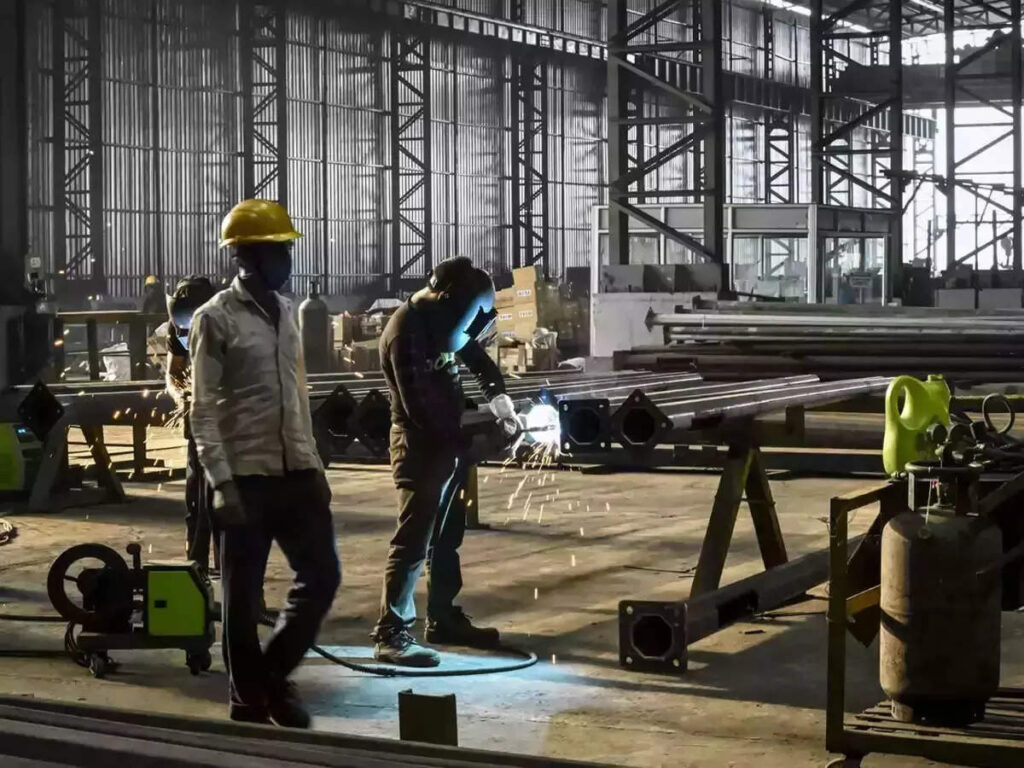
Steady Growth Amid Challenges: India’s manufacturing activity experienced a five-month low in September, with the S&P Global Purchasing Managers’ Index (PMI) registering 57.5, down from August’s 58.6. Despite this dip, the sector maintained a solid performance, driven by robust demand that bolstered business confidence, even as inflationary pressures increased. This marked the 27th consecutive month that the PMI remained above the 50-mark, indicating expansion rather than contraction.
Factors Influencing Manufacturing:Although Indian producers reported a slight slowdown in growth in September, a significant surge in new orders sustained expansions in output, input procurement, and employment. Stable supply-chain conditions helped reduce input price inflation to its weakest point in over three years. However, factors such as higher labor costs, positive business sentiment, and strong demand contributed to an increase in factory gate charges.
New Orders and Exports: New orders, a key sub-component of the PMI, saw a softer but still sharp increase in September. Favorable demand trends, market dynamics, and effective advertising were cited as reasons for sales growth. Export orders also softened from the nine-month high reached in August but remained robust, with businesses gaining new clients from Asia, Europe, North America, and the Middle East.
Outlook and Inflation:Manufacturers held a positive outlook for production, anticipating strengthened demand in the next 12 months, which continued to drive job creation and inventory replenishment efforts. However, robust demand added to price pressures in September, with output charges rising despite lower cost pressures. Although India’s inflation eased slightly in August, it remained above the RBI target range of 2-6%.
Overall Trajectory:While the manufacturing sector experienced a modest slowdown, it remained on a favorable trajectory, driven by strong demand, positive sentiment, and export opportunities. Manufacturers anticipated increased output in the coming year, emphasizing the sector’s resilience in the face of challenges.
Note: The article summarizes India’s manufacturing PMI for September, highlighting factors impacting the sector’s performance and outlook.