In a significant development, Notification 51/2023, dated 29th September 2023, has ushered in a change that will directly impact businesses involved in the online information and database access or retrieval services (OIDAR) sector. This change is effective from 1st October 2023 and introduces a new reporting requirement, known as Table 5B, in the existing GSTR 5A form.
Table 5B and Its Implications:
Table 5B is a critical addition to GSTR 5A, and it is designed to capture details of supplies made to Registered GSTINs (Business-to-Business or B2B supplies). This reporting requirement is a significant step towards enhancing transparency and compliance in the OIDAR sector.
Immediate Implementation Details:
It’s important to note that while this change has been announced, the implementation of Table 5B is forthcoming at the Goods and Services Tax Network (GSTN). Until this change is operational at GSTN, OIDARs are advised to continue filing their returns using the existing GSTR 5A form.
The OIDAR Sector’s Role:
OIDARs are pivotal to the digital economy, and they play a crucial role in facilitating online services. This advisory underscores the evolving regulatory landscape and the need for OIDARs to stay informed and compliant with the changing requirements.
In conclusion, OIDARs should stay vigilant for updates regarding the implementation of GSTR 5A Table 5B at GSTN. In the meantime, they should adhere to the existing filing procedures to ensure seamless compliance with the new reporting standards once they are in effect. This change aims to streamline reporting in the OIDAR sector, promoting accuracy and transparency in GST filings.
A recent survey conducted during Mental Health Awareness Month by Sukoon Health in India has brought to light crucial insights into the state of mental health awareness, perceptions, and experiences in the country. While there is a significant shift with 70% of respondents recognizing the urgent need for mental health care, there remain substantial knowledge gaps regarding various mental health conditions.
Limited Knowledge Persists: The survey identified that a considerable portion of respondents had limited to no knowledge about mental health conditions such as Alcohol & Drugs Addiction, bipolar disorder, psychosis, schizophrenia, Severe Anxiety, and Severe Depression. These findings underscore the need for enhanced mental health education in India to create a more informed and supportive society.
Prevalence of Mental Health Disorders: Approximately 24% of respondents reported that either they or someone they knew had experienced a serious mental health disorder. This highlights the widespread impact of mental health conditions in Indian society and emphasizes the importance of prioritizing mental health on a societal level.
The Importance of Diagnosis and Treatment: Around 29% of participants acknowledged the necessity of proper diagnosis and treatment for mental health conditions, indicating a growing understanding of the importance of mental health care and the need for support and intervention. A notable 33% actively seek treatment from therapists or counselors for serious mental health conditions.
Diverse Treatment Experiences: Respondents reported a range of experiences with mental health care, with 17% having very positive outcomes and 15% facing very negative experiences. This underscores the need for tailored and person-centered approaches to mental health care.
Barriers to Seeking Treatment: Significant barriers to accessing mental health treatment included enduring stigma and fear of discrimination, lack of awareness, and financial constraints. Addressing these barriers is crucial for creating a more inclusive and supportive mental health ecosystem in India.
Insurance Awareness Gap: One pressing issue highlighted by the survey is that 82% of respondents were unaware that insurance can cover the costs of mental health treatment. This substantial lack of awareness underscores the need for widespread education on available resources and support for mental health treatment.
In conclusion, the survey reveals a growing awareness of mental health importance in India, accompanied by the need for comprehensive education, reduced stigma, and improved access to mental health care. Bridging the awareness and treatment gap is essential for the well-being of individuals in India, and organizations like Sukoon Health are committed to making a difference through personalized care and awareness efforts.
In light of recent amendments to the Act, rules, and notification number 34/2023 dated 31.07.2023, individuals supplying goods through e-commerce operators (ECOs) are now exempt from mandatory registration under the CGST Act. This exemption applies even if they supply goods through ECOs, provided they meet certain conditions:
State/UT Specific Supply: a) The individual must be engaged in the supply of goods through an ECO, and such supplies must be limited to one State/UT.
No Inter-State Supply: b) They should not engage in any inter-state supply.
Possession of PAN: c) The individual must possess a Permanent Account Number (PAN) under the Income Tax Act, 1961.
PAN Declaration: d) Before making such supplies, the individual must declare their PAN (which will be validated) on the common portal (GST Portal) along with the address of their place of business and the name of the State/UT or Union territory.
Enrolment Number Requirement: e) The individual must obtain an enrolment number on the common portal upon validation of their PAN before engaging in any supply through any ECO.
Enrolment Procedure
The GSTN has developed the necessary functionality for the enrolment of unregistered persons, and it is available on the portal. Unregistered individuals who wish to enrol on the GST portal for making supplies of goods through ECOs in one State/UT are advised to follow these steps:
Select the “User Services” Tab and choose “Generate User Id for Unregistered Applicant.”
Click “Yes” on the Warning window, allowing you to continue.
Check the “To apply as a supplier to e-commerce operators” box.
Fill out the form that opens on your screen.
Upon successful PAN validation, the enrolment number will be generated by the portal, allowing unregistered individuals to supply goods through ECOs in a specific State/UT.
Recent amendments to the CGST/SGST Act, the IGST Act, and the CGST/SGST Rules have introduced changes regarding the Goods and Services Tax (GST) registration and return filing for online money gaming services provided by individuals or entities located outside the taxable territory to those within the taxable territory. This necessitates their registration in GST and the payment of taxes on such services. As a result, every individual or entity located outside the taxable territory providing online money gaming services to individuals in India must register or amend their existing registration as per the proposed Row (iia) in FORM GST REG-10. They are also required to provide information about these supplies in the proposed Tables in FORM GSTR-5A.
Workaround Until GSTN Functionality Development
While the GST Network (GSTN) is in the process of developing the functionality for these new registrations and registration amendments, a workaround has been suggested:
Registration (Form GST REG-10): a) Persons engaged in online money gaming must identify themselves as such in Form GST REG-10 and may need to file new registrations using this form. b) As a temporary solution, individuals or entities providing online money gaming services can file their registration application using the existing Form GST REG-10. They should also upload a PDF copy of the information required in Row 2(iia) of the amended FORM GST REG-10 in the ‘Documents Upload’ section of Part-A of Form GST REG-10.
Return (Form GSTR-5A): a) Those providing online money gaming services are required to furnish details of these supplies in Table 5D and 5E of Form GSTR-5A. b) Until the necessary changes are implemented in Form GSTR-5A on the GST portal, individuals or entities engaged in online money gaming should provide details of these supplies in the existing Tables 5 and 5A of Form GSTR-5A.
This procedure can be followed until the changes are fully implemented on the GST portal.
Ageas Federal Life Insurance (AFLI) has unveiled the ‘Ageas Federal Life Insurance Super Cash Plan,’ a non-linked, participating savings plan designed for retail customers. This plan offers a unique blend of immediate liquidity and financial stability, making it an attractive choice for individuals looking for a reliable source of income and financial protection.
Benefits for Financial Security
The Super Cash Plan offers immediate liquidity, providing regular income that can commence as early as the first month of the policy, depending on the policyholder’s chosen returns schedule. Additionally, the plan features guaranteed boosters at the end of every fifth policy year to enhance savings. Policyholders will also receive a lump-sum maturity benefit upon completion of the policy term.
Key Features of the Super Cash Plan
The plan includes several features to enhance its appeal, including:
Save The Date: Policyholders have the flexibility to defer Survival Benefit payouts to a chosen special date.
Uninterrupted Income Benefit (UIB): An optional benefit that waives future premiums in the event of the life assured’s unfortunate demise. The nominee receives a lump-sum benefit, and policy benefits continue as scheduled.
Premium Offset: Another optional benefit that allows policyholders to utilize survival benefits to offset premiums due during the premium payment term.
Exclusive Benefits for Females: Female purchasers receive an increase of up to 12% on the sum assured on maturity, depending on the premium payment term, as part of efforts to promote life insurance among women.
Rebate on High Sum Assured or Premium: Policyholders may receive additional benefits, especially if the annualized premium exceeds Rs. 3 lakh.
The Super Cash Plan from Ageas Federal Life Insurance is designed to cater to various life stages, helping individuals with regular expenses, building a corpus for life goals, and facilitating regular savings. Additionally, it offers potential tax savings on premiums paid and benefits received, making it a comprehensive financial solution.
Disclaimer: The information provided is based on a press release by Ageas Federal Life Insurance. It is essential to read the offer document carefully and consult a financial advisor before purchasing any insurance policy.
Maharashtra is set to become the first state in India to make insurance coverage mandatory for shops and establishments registrations. The state’s labor department has released a draft notification proposing the inclusion of insurance in the Maharashtra Shops & Establishment Rules.
Mandatory Insurance Coverage
As per the draft notification, the insurance policy number and its validity will be integrated into the certificate issued under these Rules. This proposed insurance is akin to third-party vehicle insurance and is expected to cover fire and allied perils, including damage or destruction caused by fire, lightning, or explosion. This move aims to enhance the protection of shops and establishments in the state.
Objections and Suggestions Invited
Stakeholders are encouraged to submit their objections and suggestions regarding this mandatory insurance requirement by September 16, 2023. The draft rules also suggest that an establishment’s insurance certificate must be included as a mandatory document for filing various forms related to registration and renewal.
Background on Public Liability Insurance
This development aligns with a broader discussion on public liability insurance (PLI) in India. Moneylife Foundation had previously released a report advocating mandatory PLI for all public spaces. The Bombay High Court had also taken note of this suggestion in a case related to road maintenance, emphasizing the importance of PLI for the victims of such incidents.
The move to make insurance mandatory for shops and establishments in Maharashtra is a significant step toward enhancing safety and risk management in the state, ensuring that businesses are adequately protected against unforeseen events.
The rising costs of commercial properties in major metropolitan areas have driven the growth of commercial real estate in Tier 2 and Tier 3 cities. This expansion is also fueled by increased entrepreneurial activity and the demand for cost-effective spaces. In an exclusive interview, Mohit Goel, Managing Director of Omaxe Ltd, a prominent real estate company in northern India, discusses the promising prospects of commercial real estate in these cities and shares insights on affordable housing. Here are the key points:
1. Factors Driving Commercial Real Estate in Tier 2 and Tier 3 Cities:
Enhanced infrastructure, including improved connectivity via new roads, railways, and metro systems.
Escalating costs of commercial spaces in metropolitan areas, prompting businesses to explore smaller cities.
Growing entrepreneurial endeavors and the need for budget-friendly office spaces.
Major retailers and corporations expanding into smaller towns.
The rise of digitization, e-commerce, and remote work, increasing demand for cost-effective commercial properties.
2. Evaluating Growth Potential in Different Tiers:
Tier 1 cities offer established markets, higher property values, and developed infrastructure, attracting diverse businesses.
Recent years have seen increased demand for larger residences and high-end properties in Tier 1 cities.
Tier 2 and Tier 3 cities present untapped growth potential with improved infrastructure, rising demand, competitive pricing, increased business activities, and the entry of major retailers.
These cities offer opportunities in both affordable and premium residential and commercial projects.
3. Factors Behind Faridabad’s Resurgence:
Faridabad’s resurgence is driven by improved connectivity, including the construction of vital transport routes like the FNG Expressway and EPE.
The KGP Expressway and Manjhawali Bridge have further enhanced accessibility, positioning Faridabad as a modern hub within the NCR.
4. Affordable Housing Amidst Demand and Challenges:
Affordable housing has significant potential due to substantial unmet demand.
Rising property prices and limited available land in city centers pose challenges.
The demand for affordable housing remains strong, especially post-pandemic, emphasizing housing security.
Government initiatives and innovative approaches by developers can address challenges and meet the demand for affordable housing.
5. Envisioning the Future of NCR’s Realty Sector in 2023:
2023 has witnessed remarkable growth in the real estate sector in NCR, with developers launching new projects.
Solid sector foundations, infrastructure expansion, and investor confidence contribute to this success.
The future looks promising, with the NCR real estate sector poised to reach new milestones, benefiting end-users and investors.
Overall, the commercial real estate sector in Tier 2 and Tier 3 cities holds great promise, and NCR’s realty sector is expected to continue thriving in the coming years.
When purchasing a home, it’s crucial to consider various factors, such as your budget, maintenance needs, and legal approvals, to ensure your house remains secure and dispute-free. Buying a house is a significant milestone and financial commitment, but your responsibilities don’t end with the purchase. After acquiring your dream home, you must take specific essential steps to facilitate a smooth transition and safeguard your investment.
Transfer Property Ownership: After buying a new house, you need to officially transfer property ownership to your name. This process involves updating property records with local authorities and ensuring that your name appears correctly in all property-related documents, including property tax records.
Secure Property Insurance: Protecting your newly acquired property with insurance is a prudent move. Property insurance, such as home insurance, provides coverage for your home and belongings against various risks, including natural disasters, theft, and damage. Conduct research and compare different home insurance policies while paying close attention to their terms and conditions.
Transfer Utility Services: To ensure a seamless transition to your new home, transfer utility services like electricity, water, and gas to your name. Provide necessary documents, such as proof of property ownership and identification, to update these services. Confirm that all existing bills are settled by the previous owner and clarify any pending dues before taking over the utility connections. Ensure that all correspondence and bills are redirected to your new address.
Budget for Maintenance Costs: Proper maintenance is essential for preserving the value and longevity of your new home. Regularly inspect the property, including plumbing and electrical systems, to address immediate repair or renovation needs. Create a dedicated fund for home maintenance and repairs and contribute to it regularly. Having an emergency fund in place is recommended to handle unexpected expenses without straining your finances.
Adhil Shetty, CEO of Bankbazaar.com, advises, “Create a dedicated fund for home maintenance and repairs. Regularly contribute to this fund to cover unexpected upkeep costs.”
Update Your Address: Changing your residence means updating your address on various legal and official documents. Update your address on your Aadhar card, voter ID, and other government-issued identification documents. Notify your bank, post office, and other financial institutions about your new address. Also, make sure to update your address on your vehicle registration and driver’s license if applicable.
These tips will simplify your home-buying journey and ensure that you enjoy your new house’s lifestyle without encountering legal or financial disputes.
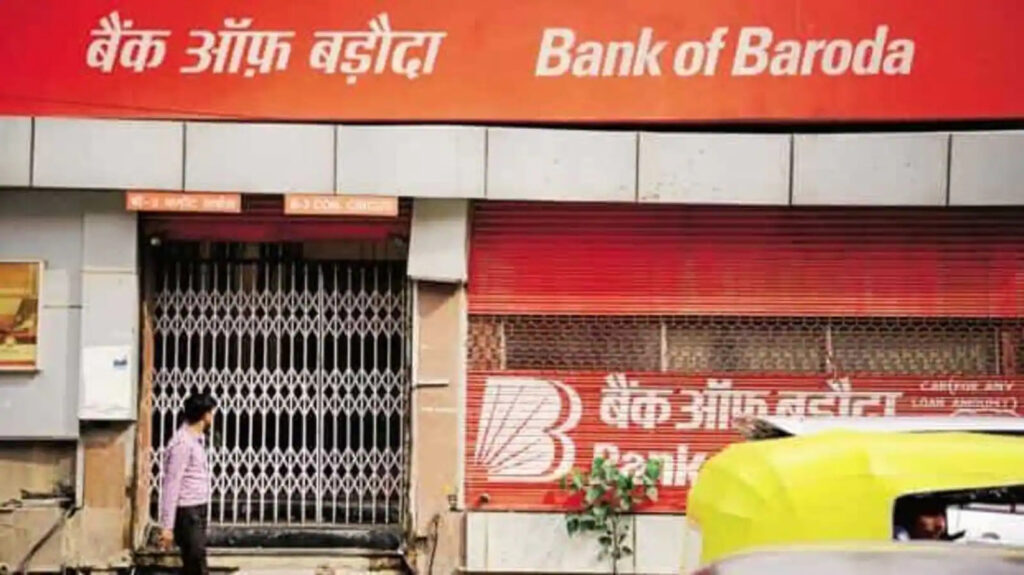
Bank of Baroda has raised interest rates on its Domestic Retail Term Deposits, including NRO and NRE Term Deposits, by up to 50 basis points across various tenors of up to 3 years. These revised rates are applicable to deposits below Rs 2 crore and took effect from October 9, 2023.
The bank is now offering interest rates of up to 7.40% p.a. for general citizens and up to 7.90% p.a. for senior citizens. This includes an additional interest of 0.50% p.a. for senior citizens and 0.15% for non-callible deposits. The bank has also adjusted interest rates on its Tiranga Plus Deposit Scheme for 399 days, where senior citizens can earn 7.80% p.a. on non-callable deposits under the scheme.
Bank of Baroda’s highest interest rate for senior citizens is more competitive than those offered by SBI and several other leading banks in India.
Ravindra Singh Negi, Chief General Manager – Retail Liabilities & NRI Business at Bank of Baroda, expressed their satisfaction in offering attractive interest rates to customers, allowing them to earn higher assured returns. He highlighted that senior citizen depositors can now earn one of the best interest rates in the industry, particularly for a 2 to 3-year investment tenor.
Bank of Baroda has also launched its festive campaign, “BOB Ke Sang Tyohaar Ki Umang,” which includes various innovative schemes like the Bob LITE Savings Account, the BOB BRO Savings Account, the My Family My Bank/BOB Parivar Account, the Baroda NRI PowerPack Account, and the BOB SDP (Systematic Deposit Plan). These schemes cater to different customer segments and offer a range of benefits. The festive campaign runs until December 31, 2023, and has received a positive response from customers.
Bank of Baroda had previously raised retail term deposit interest rates in May 2023 and March 2023. Both existing and new customers of the bank can open a new FD through any of its branches across India or online through the bank’s mobile app (Bob World) or net banking (Bob World Internet) to take advantage of this offering.
ManipalCigna Health Insurance has introduced “ManipalCigna Accident Shield,” an advanced personal accident insurance plan offering extensive coverage for Accidental Death (AD), Permanent Total Disablement (PTD), and Permanent Partial Disablement (PPD).
According to the insurer, ManipalCigna Accident Shield is designed to go beyond financial security for adventure enthusiasts, providing comprehensive coverage for activities such as mountain biking and rock climbing.
Policyholders can choose from various sum insured options, with coverage extending up to Rs 25 crores. The plan offers a claim benefit of up to 200% of the Sum Insured for Accidental Death and Permanent Total Disablement. It also includes coverage for Accidental Hospitalization, including OPD expenses, ensuring that even minor injuries are covered.
The plan is available in three variants:
Classic Plan: This basic plan covers accidental death, funeral expenses, and repatriation of mortal remains. Policyholders can enhance it with ten optional covers.
Plus Plan: An enhanced version of the basic plan that includes coverage for Permanent Total Disability and offers ten optional covers, including benefits for injuries leading to burns, air ambulance services, EMI protection, and more.
Pro Plan: The ultimate plan with a base coverage for Permanent Partial Disablement, complemented by 12 optional covers, such as Adventure Sports coverage, Coma benefits, Broken Bones benefit, and more.
ManipalCigna Accident Shield provides comprehensive and customizable accident insurance coverage that not only addresses death and disability but also associated hospitalization and ancillary expenses.
Prasun Sikdar, Managing Director and CEO of ManipalCigna Health Insurance emphasized the plan’s customer-centric approach, with features such as protection against EMIs, outstanding loans, and children’s education expenses in the event of accidental death or disability.