Leading co-working providers are capitalizing on cost-effective rentals and higher returns by offering smaller seat flexi offices in tier 2 and 3 cities. These cities, including Coimbatore, Jaipur, Thiruvanthapuram, Lucknow, Madurai, Gulbarga, Jaisalmer, Nagpur, and small towns in Himachal Pradesh, are witnessing a growing demand for flexible office spaces. This trend has emerged as a response to the pandemic, with businesses downsizing and hybrid workplaces becoming the norm.
Reasons for the Surge
Cost Efficiency: Post-pandemic, companies are focusing on cost-cutting and transitioning from capital expenditure (capex) to operating expenditure (opex). By opting for flexible office spaces, large corporations can reduce commercial rent by 12-15%.
Reverse Migration: The reverse migration of the workforce from metro cities to their hometowns has created a need for quality office spaces in tier 2 and 3 cities.
Talent Retention: Proximity to talent pools in smaller cities allows companies to retain skilled employees while reducing overheads.
Market Landscape
Rental Differences: In metro locations, flexi office spaces can accommodate 2,500-40,000 seats in Grade A commercial buildings, with rents ranging from Rs 4,000-12,000 per seat. In smaller towns, rents may start as low as Rs 90 per day or Rs 1,500 per month.
Challenges in Tier 2 Cities: Limited availability of modern commercial spaces is a challenge in tier 2 cities, making co-working spaces an attractive alternative.
Yield on Rental: Flexi office operators enjoy higher yields on rentals as they provide fully fitted office spaces along with services like high-speed internet, IT support, and on-demand conference facilities.
Future Projections
A report by Vestian predicts that flexible office space stock will increase by 52% by 2025, reaching 81 million sq ft. The flexible office sector is expected to constitute approximately 25% of overall office space absorption by 2025, indicating sustained growth in this segment.
Conclusion
The surge in demand for flexible office spaces in tier 2 cities is driven by cost efficiency, reverse migration, and the need for talent retention. This trend is likely to continue, with co-working providers expanding their footprint in these cities and offering businesses a cost-effective and flexible workspace solution.
The Securities and Exchange Board of India (SEBI) has announced an extension of various timelines related to nomination in eligible demat accounts, as well as the submission of PAN, nomination, and KYC details by physical security holders. This extension comes as a response to representations received from Exchanges, Depositories, Brokers’ Associations, and other stakeholders. SEBI’s recent circular, dated September 26, 2023, outlines the new deadlines for these updates.
New Deadlines
Voluntary Choice of Nomination for Trading Accounts: SEBI has made the submission of the “choice of nomination” for trading accounts voluntary. This decision aims to enhance the ease of doing business.
Demat Account: The deadline for submitting the “choice of nomination” for demat accounts has been extended to December 31, 2023.
Physical Security Holders: Initially, SEBI mandated that PAN, Nomination, Contact details, Bank Account details, and Specimen signatures for physical security holders must be submitted by September 30, 2023, or their folios would be frozen. However, this deadline has now been extended to December 31, 2023.
Guidance for Entities
SEBI has provided guidance to Stock Exchanges, Depositories, RTAs (Registrars and Transfer Agents), and Listed Companies to ensure the implementation of these circular provisions. They are advised to make necessary amendments to relevant bye-laws, business rules, regulations, and operational instructions as required. Additionally, these entities should inform their respective constituents about these changes and publish the circular on their websites.
This extension allows stakeholders more time to comply with the updated requirements, aiming to streamline the process and enhance the ease of doing business in the Indian securities market.
The MRG Group, based in the National Capital Region (NCR), has launched its debut ultra-luxury residential project named ‘MRG Crown’ in Sector 106, Dwarka Expressway, Gurugram. The project represents an investment of Rs 500 crore and spans over 8.16 acres of land. MRG Crown features opulent 3 BHK independent floors, emphasizing low-density living.
Prime Location
Strategically situated in Sector 106, Dwarka Expressway, the project offers residents convenient access to the best amenities that Gurugram and Delhi NCR have to offer. This includes proximity to commercial developments, educational institutions, healthcare facilities, corporate hubs, and recreational options. MRG Crown aims to provide an unmatched living experience without the need for extensive travel.
Luxurious Amenities
The project boasts a 22,000 sq ft clubhouse equipped with sports, recreational, leisure, lifestyle, and fine dining facilities. Other highlights include a half Olympic-sized swimming pool, a 1.5-acre leisure island, ample visitor parking, EV charging points, dedicated basement offices, terrace gardens, and more. Renowned architects, including Padma Bhushan Architect Hafeez Contractor and Landscape Designer Juilee Deoskar, have designed the project to blend aesthetics and functionality seamlessly.
Quote from MRG Group
Rajjath Goel, Managing Director of MRG Group, expressed pride and excitement about the project’s launch. He noted that MRG Group has a history of pioneering locations, and with MRG Crown, the group aims to elevate luxury living standards in the NCR.
Conclusion
The launch of ‘MRG Crown’ underscores the MRG Group’s commitment to providing residents with an exceptional living experience that combines opulence and indulgence. With a prime location, world-class amenities, and meticulous design, this ultra-luxury residential project aims to set new benchmarks in the real estate sector in the NCR.
The Madras High Court Advocates’ Association (MHAA) has passed a resolution condemning the conduct of Lata Basavaraj Patne, a Judicial Member and Head of the Department of the Central Administrative Tribunal (CAT), Chennai bench. This action was taken after Patne asked a senior member of the Bar, advocate R Sankarasubbu, to “get out” of her courtroom during a hearing.
Condemnation of Conduct
In the resolution issued on September 22, the MHAA expressed its strong disapproval of Patne’s behavior during a court proceeding. Such conduct, the Association asserted, is inappropriate for a judicial member and lacks the decorum expected in a courtroom. The resolution was endorsed by 230 MHAA members.
Demand for Transfer
MHAA’s resolution also announced its intention to send a formal representation to the CAT chairperson and the Union government, requesting the transfer of Lata Basavaraj Patne out of Chennai. The members cited concerns about Patne’s impartiality and expressed dissatisfaction with her recent behavior toward lawyers from Chennai.
Background
The MHAA members observed that Patne’s conduct toward lawyers in Chennai seemed to change notably after the Association filed a public interest litigation (PIL) in the Madras High Court. The PIL highlighted the delay in issuing order copies for approximately 150 cases heard at the Chennai bench of CAT between January and April of the current year.
During the hearing on September 22, when advocate R Sankarasubbu requested Patne to schedule a case in which he was representing a client before another bench, she responded by instructing him to leave her courtroom. Patne advised the lawyers to send a letter to the registry for the reassignment of their cases to a different bench.
Conclusion
The MHAA’s resolution condemning the conduct of Judicial Member Lata Basavaraj Patne underscores the importance of maintaining decorum and impartiality in the legal profession. It also highlights the association’s commitment to upholding professional standards and ethics in the practice of law within the jurisdiction of the Madras High Court.
The Central government has given its approval for the appointment of eleven additional judges of the Punjab and Haryana High Court as permanent judges. This significant decision was announced by Union Minister of State for Law and Justice, Arjun Ram Meghwal, through his Twitter account.
The Appointed Judges
The following eleven additional judges have been elevated to the position of permanent judges:
Justice Nidhi Gupta
Justice Sanjay Vashisth
Justice Tribhuvan Dahiya
Justice Namit Kumar
Justice Harkesh Manuja
Justice Aman Chaudhary
Justice Naresh Singh (also known as Naresh Singh Shekhawat)
Justice Harsh Bunger
Justice Jagmohan Bansal
Justice Deepak Manchanda
Justice Alok Jain (also known as Alok Kumar Jain)
Background
The Supreme Court Collegium had recommended the appointment of these eleven judges as permanent members of the High Court on September 14. All of them were initially appointed as additional judges on August 16 of the previous year.
Current Judicial Strength
As of September 1, the Punjab and Haryana High Court is operating with 58 judges, while its sanctioned strength is 85 judges. This move to confirm these additional judges as permanent members aims to strengthen the judiciary in the region and ensure effective administration of justice.
Conclusion
The decision to appoint eleven additional judges as permanent members of the Punjab and Haryana High Court reflects the government’s commitment to bolstering the judicial system. These appointments are expected to contribute to the efficient dispensation of justice in the region, addressing pending cases and promoting the rule of law.
approach to Indian banknote and background with American dollars bills of different denomination
Cosmos Bank, headquartered in Pune, has completed the voluntary merger of Sahebrao Deshmukh Co-operative (SDC) Bank, adding 11 new branches to its network. The merger was approved by the Reserve Bank of India (RBI) and marks a strategic move amid competitive pressures and challenges faced by smaller cooperative banks.
Reasons for Merger
Intense Competition: Smaller cooperative banks have found it increasingly challenging to compete in the current competitive banking landscape, prompting strategic mergers to strengthen their positions.
Sustainability: SDC Bank’s decision to merge into Cosmos Bank reflects the difficulties faced by smaller banks in sustaining their operations independently.
Key Merger Details
Cosmos Bank will benefit from additional deposits amounting to Rs 143.40 crore as a result of the merger.
The RBI had imposed restrictions on SDC Bank in July 2022, including withdrawal caps for depositors, which likely contributed to the merger decision.
The merger expands Cosmos Bank’s branch network in Mumbai to a total of 50 branches.
Cosmos Bank’s commitment to securing the funds of all depositors, despite its current “negative growth,” was emphasized in the merger announcement.
Conclusion
The merger of SDC Bank into Cosmos Bank represents a response to the challenges faced by smaller cooperative banks in India’s competitive banking environment. It highlights the strategic importance of consolidation for sustainability and growth in the sector. Cosmos Bank aims to leverage this merger to enhance its presence and services in the Mumbai region while providing assurance to depositors of both banks regarding the safety of their funds.
approach to Indian banknote and background with American dollars bills of different denomination
The Indian rupee faced a second consecutive day of decline, closing 15 paise lower at 83.28 against the US dollar. The drop was attributed to multiple factors, including the greenback’s strength against major global currencies, ongoing foreign capital outflows, weak sentiment in the equity markets, and elevated crude oil prices.
Factors Behind Rupee’s Decline
Strong US Dollar: The US dollar strengthened, reaching a ten-month high, driven by indications from a Federal Reserve policymaker suggesting a longer interest rate hike due to the resilience of the US economy. This strengthened dollar had a significant impact on the rupee’s depreciation.
Weak Asian Markets: The rupee’s performance was also influenced by the overall weak sentiment in Asian markets, which contributed to the risk-off mood among investors.
Rising US Treasury Yields: The 10-year US Treasury yields reached a 16-year high, adding to the appeal of the US dollar.
Foreign Institutional Investors (FIIs): Persistent foreign fund outflows, with FIIs offloading shares worth Rs 693.47 crore in the capital market, exerted additional downward pressure on the rupee.
Crude Oil Prices: The domestic currency faced headwinds due to the elevated levels of crude oil prices, which remained above USD 92 per barrel.
Market Outlook
Analysts expect the rupee to continue trading with a slight negative bias, influenced by global risk aversion, the strengthening US dollar, and the hawkish stance of the US Federal Reserve. FIIs’ selling pressure may further weigh on the currency. However, the decline in crude oil prices could provide some support at lower levels.
Conclusion
The Indian rupee’s decline against the US dollar reflects a combination of global and domestic factors, including the dollar’s strength, foreign fund outflows, and economic sentiment. As these factors evolve, the rupee’s performance in the coming weeks will be closely monitored by market participants.
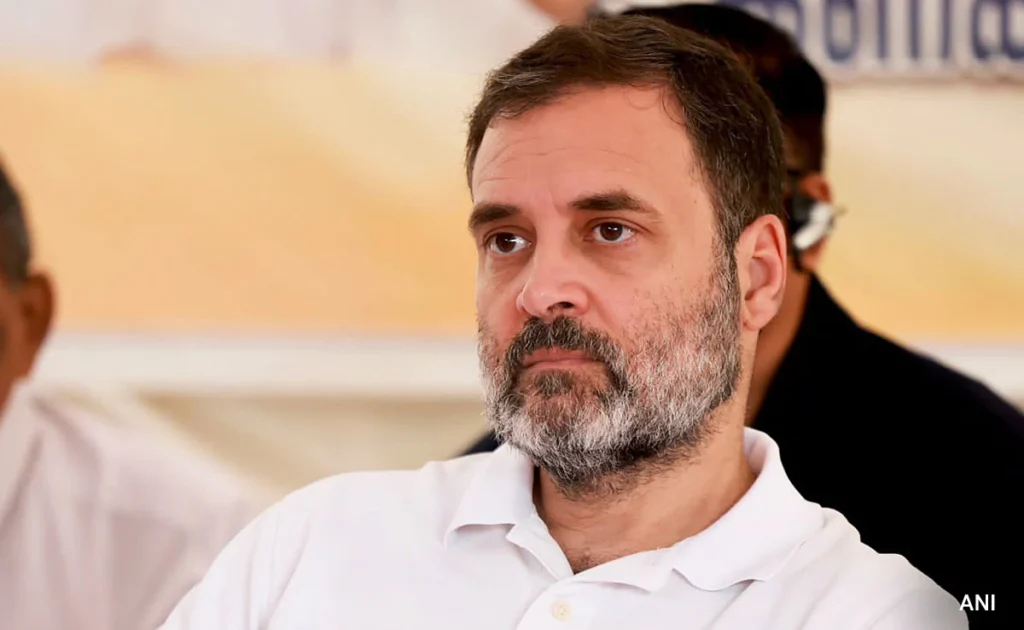
The Bombay High Court has sought the assistance of Maharashtra’s Advocate General, Birendra Saraf, in a defamation case filed by Rahul Gandhi, a Congress leader and Member of Parliament. Rahul Gandhi is seeking the quashing of a defamation complaint initiated against him in 2019.
Background
The criminal proceedings against Rahul Gandhi were initiated in August 2019 by the Metropolitan Magistrate Court at Girgaon based on a defamation complaint filed by Mahesh Hukumchand Shrishrimal, a member of the Bharatiya Janata Party (BJP). Gandhi subsequently moved the Bombay High Court to have the case dismissed.
Crucial Legal Questions
During the recent hearing, Justice SV Kotwal, a single judge, identified significant legal questions raised in Gandhi’s petition that required the expertise of the Advocate General. The judge stated that the case involved important legal matters and requested the Advocate General to address the court on all the legal issues at hand.
Allegations and Arguments
The complaint against Rahul Gandhi alleged that during a rally in Rajasthan in September 2018, he made defamatory statements against Prime Minister Narendra Modi. As a result of these statements, Modi was purportedly targeted on various media platforms and social media channels.
Gandhi’s lawyers argued that the complaint was frivolous and politically motivated. They also invoked Section 199(2) of the Code of Criminal Procedure, contending that there was a legal bar on the complainant from filing the complaint. Additionally, they pointed out that a political party is not recognized as an eligible entity to file a defamation plea under Section 499 of the Indian Penal Code.
The complainant’s lawyer argued that the complaint was filed by an aggrieved party, a member of the BJP Maharashtra Pradesh Committee, and therefore, had merit.
Conclusion
The Bombay High Court’s decision to involve the Advocate General signifies the complexity and importance of the legal issues raised in Rahul Gandhi’s petition to quash the defamation case against him. The case continues to unfold, with legal arguments and considerations playing a pivotal role in its outcome.
The Women’s Reservation Bill, which proposes a 33% reservation for women in Lok Sabha and state assemblies, has garnered attention recently due to the Union Cabinet clearing it. However, reports suggest that its implementation may be delayed.
Expected Implementation Timeline
According to a source cited in The Indian Express, the Women’s Reservation Bill is likely to be implemented only after the delimitation process is complete, which might not occur until 2026. The final rollout may even extend to 2029.
Historical Context
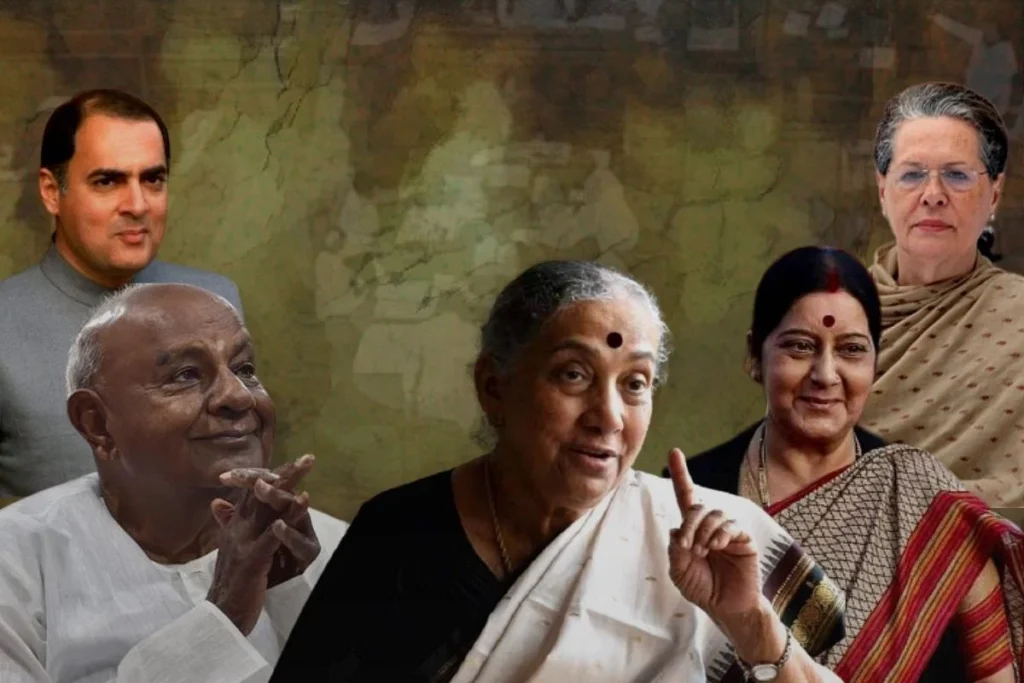
The Constitution 108th Amendment Bill, 2008, aimed to reserve one-third of seats in Parliament and state legislative assemblies for women. Its roots trace back to former Prime Minister Rajiv Gandhi’s introduction of a similar bill in 1989. However, it faced numerous hurdles and lapses over the years.
Challenges and Opposition
While many parties support women’s reservation, some, like the Samajwadi Party and the RJD, seek “quota within the quota,” advocating for caste and community-based quotas within the proposed 33% reservation.
Conclusion
The Women’s Reservation Bill’s potential implementation is generating discussion, but its rollout could be delayed until after the 2024 Lok Sabha elections, with final execution possibly extending to 2029. This bill represents a significant step towards gender equality in Indian politics, but it faces complexities and opposition that need to be addressed before becoming law.
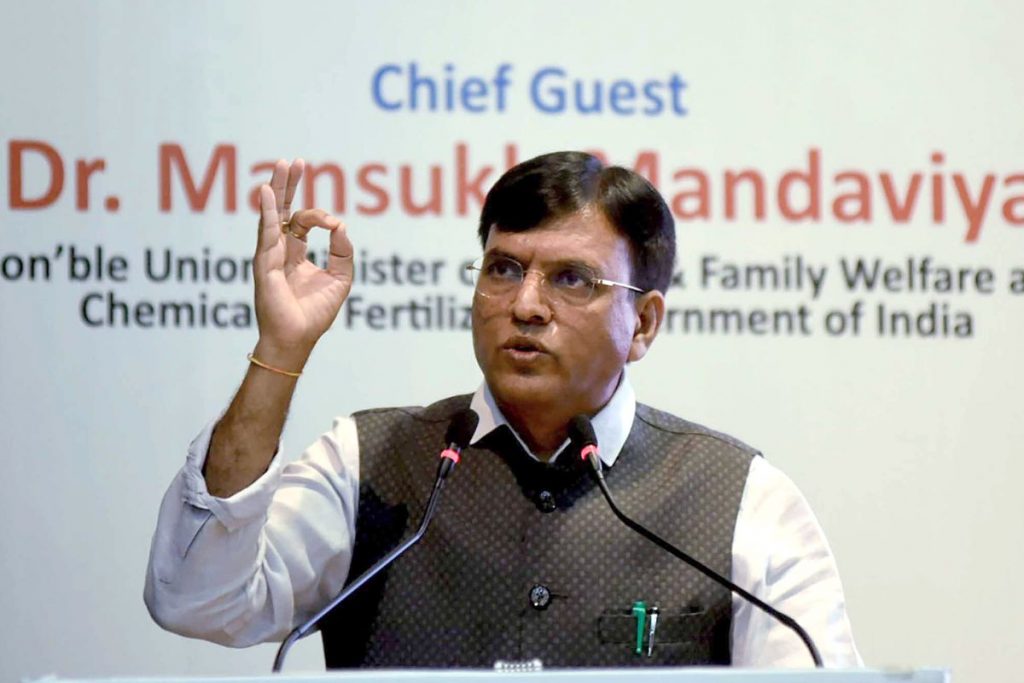
Union Health Minister Dr. Mansukh Mandaviya introduced the National Policy on Research and Development and Innovation in the Pharma-MedTech Sector in India, along with the Scheme for the promotion of Research and Innovation in the Pharma MedTech Sector (PRIP). This move aims to transform India into a high-volume, high-value player in the global pharmaceutical and medical technology market while ensuring quality, accessibility, and affordability.
Key Initiatives
Innovation-Based Industry: Dr. Mandaviya emphasized the need to shift the Indian Pharma and MedTech sectors from cost-based to innovation-based industries. This policy and scheme are part of India’s journey toward self-reliance (Atmanirbharta).
Ecosystem Creation: The policy aims to create an ecosystem that fosters skills, capacities, and innovation. It encourages academia-industry collaboration and supports start-ups to harness the potential of India’s youth.
Bulk Drug and Medical Device Parks: Dr. Mandaviya highlighted the establishment of bulk drug parks in Himachal Pradesh, Vizag, and Gujarat, as well as medical device parks in Himachal Pradesh, Uttar Pradesh, Madhya Pradesh, and Tamil Nadu, to strengthen the sector.
Collaboration and Preparedness: Dr. V.K. Paul, Member (Health) of NITI Aayog, stressed the importance of collaboration between academia, public institutions, and the private sector. He emphasized that these initiatives would prepare India for future challenges and enhance national biosecurity.
Industry Responses
Industry representatives welcomed these initiatives, seeing them as crucial milestones for India. Sudarshan Jain, Secretary General of the Indian Pharmaceutical Alliance (IPA), noted that the policy and scheme would encourage pharmaceutical companies and foster an R&D ecosystem.
Pavan Choudary, Chairman of the Medical Technology Association of India (MTaI), stated that PRIP would catalyze the growth of innovative MedTech in India. He highlighted India’s 8% share of the global MedTech R&D workforce as a promising area for growth.
Policy Highlights
The National Policy on Research and Development and Innovation in Pharma MedTech Sector focuses on creating a regulatory environment that facilitates innovation, incentivizing private and public investment in R&D, and building an enabling ecosystem. It also proposes the establishment of an Indian Council of Pharmaceuticals and Med-tech Research and Development for collaboration.
PRIP Scheme
The Promotion of Research and Innovation in Pharma MedTech Sector (PRIP) Scheme has a budget outlay of Rs. 5000 crores. It aims to strengthen research infrastructure, establish Centers of Excellence at NIPERs, and promote research in priority areas like New Chemical Entities, biosimilars, medical devices, and more. PRIP encourages industry-academia linkages and fosters innovation.
Conclusion
These policy and scheme initiatives signify India’s commitment to becoming a global leader in pharmaceuticals and medical technology. They seek to harness the nation’s innovation potential, create high-end jobs, and reduce the healthcare burden while contributing to the country’s economic growth.