The Kerala High Court has called upon the Commissioner of Food Safety to respond to a petition seeking action against the use of uncoated papers and newsprints for packaging food at restaurants. Justice Devan Ramachandran emphasized the vital role of the Food Commissioner in ensuring public health and safety, particularly in restaurants, regardless of their prestige.
Urgency Due to Pandemic Justice Ramachandran highlighted the increased distribution of food parcels during the COVID-19 pandemic and the lack of specific instructions regarding safe food packaging. The judge deemed the matter of grave public concern, warranting immediate attention.
Petition Background The petition, filed by Nebu Thomas Cherian, proprietor of Anna Polymers, a compostable paper plate manufacturer, alleges widespread violations of the Food Safety and Standards Act (FSSA) and the Food Safety and Standards (Packaging) Regulations in Kerala. These violations involve the use of non-food grade, non-grease-proof papers for food packaging, even for oily snacks served on newsprint papers.
Concerns and Legal Obligations The petitioner argues that non-compliance with food safety standards allows unscrupulous manufacturers to use unsuitable materials for food packaging, potentially jeopardizing public health and the environment. The petition emphasizes the duty of the Kerala Commissioner of Food Safety to enforce FSSA 2006 and the Food Safety and Standards (Packaging) Regulations of 2018.
Violation of Regulations and Constitutional Rights Furthermore, the petition contends that certain manufacturers persist in bypassing the ban on single-use plastic products coated with wax, violating the Plastic Waste Management Rules. This not only endangers public health but also infringes upon the petitioner’s rights as a legal manufacturer adhering to prescribed regulations, violating Article 21 and Article 19(1)(g) of the Constitution.
The case is set to be heard again on September 25, with the petitioner seeking a directive for the enforcement of FSSA 2006 and the Food Safety and Standards (Packaging) Regulations, 2018.
The petitioner was represented by advocates Sneha MS, G Hariharan, Praveen H, KS Smitha, TT Shaniba, and Amal Dev D.
The Madras High Court has taken a stern stance against the Directorate of Vigilance and Anti-Corruption (DVAC) by initiating two more suo motu revision cases. These cases are related to the discharge of Tamil Nadu Minister I Periyasamy and All India Anna Dravida Munnetra Kazhagam (AIADMK) leader B Valarmathi in separate investigations. Justice N Anand Venkatesh, presiding over these cases, expressed deep concern about the politicization of the DVAC.
Justice Venkatesh’s Alarming Observations
Justice Venkatesh did not mince words in his observations, describing the situation as “hopeless” and “shocking.” He expressed frustration at the continuous discharge of politicians in corruption cases, raising questions about undue political influence on the DVAC and subordinate courts. Despite the bleak scenario, he emphasized the need to rectify the problem.
Call for Systemic Change
Justice Venkatesh suggested the necessity of establishing a system akin to Karnataka’s Lokayukta to address such issues effectively. He voiced concerns about the reluctance of legislators to face trial, leading to a series of revision cases. He emphasized that he was addressing a systemic problem rather than being a personal issue.
Previous Cases and Controversies
Justice Venkatesh had previously initiated suo motu revision cases against the discharge of prominent figures, including Tamil Nadu Minister K Ponmudi, former Chief Minister O Paneerselvam, and Ministers KSSR Ramachandran and Thangam Thennarasu in various disproportionate wealth and corruption cases.
DVAC’s Call for Recusal
Notably, the DVAC had requested Justice Venkatesh to recuse himself from hearing the revision petition against the acquittal of Minister Ponmudi and his family members in a disproportionate assets case. The DVAC argued that the judge lacked suo motu revisional jurisdiction and should have issued notice to the High Court on the administrative side before taking action.
The developments underscore the ongoing challenge of ensuring fair and unbiased handling of corruption cases involving politicians in the state of Tamil Nadu.
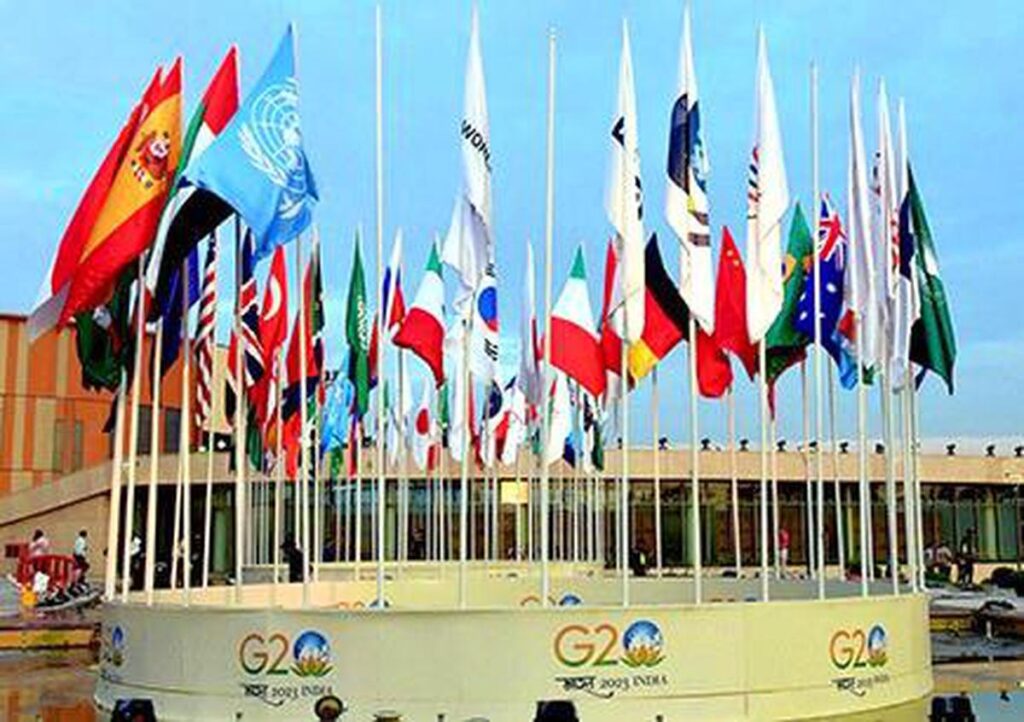
Global Gathering in Delhi India is preparing to host the largest-ever G20 summit, set to be a momentous event with 41 delegations and leaders in attendance. The summit will span one and a half days, featuring three pivotal sessions.
“One Earth” (September 9, Morning): The first session emphasizes environmental concerns.
“One Family” (September 9, Evening): The second session focuses on global solidarity.
“One Future” (September 10, Morning): The third session outlines future strategies.
The Delhi Declaration: A Voice for the Global South Before the summit kicks off, the spotlight is on the “Delhi Declaration,” nearly finalized and set to be a distinctive representation of the Global South and developing nations’ voices. This declaration aims to convey the thoughts and concerns of countries in the growth and development phase.
Amitabh Kant, India’s G20 sherpa, emphasized its significance, stating that it would be unparalleled in representing the Global South and developing nations. However, the declaration remains subject to leaders’ approval before becoming official.
India’s G20 Presidency: Inclusivity and Action India’s G20 presidency, initiated in Bali, came at a time of global economic challenges marked by slow growth and productivity. Under the theme of ‘Vasudhaiva Kutumbakam’ (the world is one family), Prime Minister Narendra Modi advocated for inclusivity, decisiveness, ambition, and action.
The key priorities during India’s presidency were sustainable development goals (SDGs) and climate action. SDGs encompass a global to-do list, including poverty eradication and environmental protection, while climate action involves addressing pollution and global warming. India aimed to lead in “Green Development” and climate finance to accelerate progress towards these goals, especially in developing nations.
The Upcoming G20 Leaders’ Summit Scheduled for September 9-10, the G20 Leaders’ Summit will convene over 30 heads of state, along with top EU officials, invited guest nations, and leaders from international organizations. This summit provides a platform for global leaders to discuss critical issues.
While past disagreements, particularly regarding topics like war’s impact on food and energy, have arisen, this summit offers an opportunity for collective action on pressing global challenges.
Delhi has heightened security measures for the event, including travel restrictions, underscoring the significance of this global gathering.
The legal profession finds itself at a crossroads as it grapples with a paradigm shift that demands a recalibration of strategies to attract and retain fresh talent from the younger generation. This transformation has been catalyzed by recent debates surrounding “Zoom Associates,” young lawyers who commenced their careers during the pandemic. While criticisms have emerged, it is essential to recognize the broader context of change.
Differences in ascribing Value: Traditional ideals held by Boomers and Gen X are evolving as Gen Z and Millennials prioritize holistic development, mental well-being, and work-life balance. The legal profession must adapt to these shifting values.
Redefining Ambitions: Young lawyers are increasingly prioritizing mentorship, continuous growth, and work-life balance over traditional partnership aspirations. Firms must recognize these changing career goals.
Recognizing Diverse Aspirations: The legal career path is no longer linear, with lawyers exploring diverse fields beyond traditional law. Firms must nurture these varied aspirations.
Understanding Work Environment Expectations: Young lawyers seek a supportive, engaging culture that promotes skill development and personal growth. Innovative workspaces can play a crucial role in this regard.
Embracing Empathy: In a post-pandemic world, empathy is paramount, not only towards others but also towards oneself. Legal professionals must acknowledge the psychological impact of recent events.
Communication Styles: Younger generations advocate for transparent, open communication, challenging traditional hierarchies. Firms must adapt to these evolving communication norms.
Learning from History: This generational tension is not new; the legal profession underwent a similar shift in the past. Learning from history can inform how today’s leaders navigate these changes.
In conclusion, the legal profession must embrace this paradigm shift and actively shape its future. Resisting change will only prolong the inevitable, and leaders must adapt to ensure the profession remains vibrant and relevant in tomorrow’s world.
In order to aid in the negotiation of a free trade agreement with India, Britain has no intention of altering its strategy for reducing net migration. In order to contribute to securing a free trade agreement with India, Britain has no intentions to alter its strategy for lowering net migration, the spokeswoman for Prime Minister Rishi Sunak said on Thursday.
Although the remaining issues to be considered are some of the most challenging, there is rising optimism that a free trade agreement between the nations could be finalized this year.
Sunak told his ministers this week that negotiations were moving forward but that he would only accept a strategy that worked for all of Britain. Sunak is traveling to India this weekend for a G20 summit.
As part of trade negotiations, Britain will negotiate short-term business visas, but not longer-term immigration obligations or access to the British labor market for employees from India, according to Trade Minister Kemi Badenoch in June.
“The prime minister thinks that migration numbers are too high right now… For the record, there are no intentions to alter our immigration policies to accomplish this free trade deal, and that goes for student visas as well, a representative for Sunak told journalists.
Suella Braverman, the interior minister, created controversy last year when she made remarks regarding the potential influence of Indian immigrants on trade negotiations. She expressed concern about any “open borders migration policy with India” as well as about people who overstay their visas. Vikram Doriaswamy, India’s High Commissioner to Britain, countered that while the idea that India wanted additional visas had appeared in British media, it had not appeared in Indian media.
He added on Times Radio, “We never said that the visas are part of our ask,” adding that India was looking for easier ways for businesses to transport citizens of the UK and India back and forth between the two nations.
“We are not requesting that migrants be allowed to enter this country.”
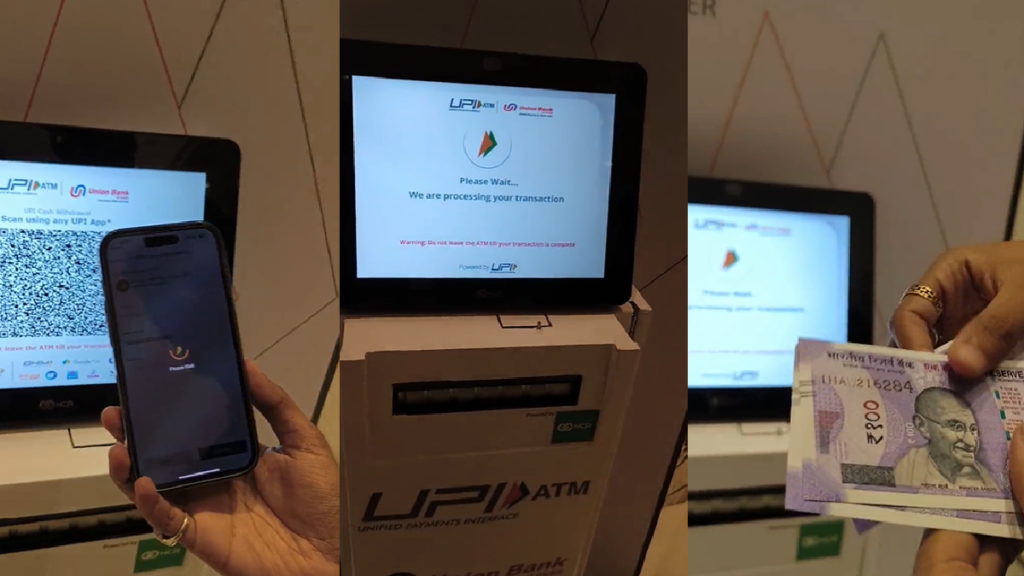
The identical video that Piyush Goyal posted was also shared by Anand Mahindra. It depicts a man outlining the UPI-ATM cash withdrawal process. Piyush Goyal shared a video on X that had people talking. In the footage, a man is seen taking money out of a UPI ATM. It is a device made to enable UPI cash withdrawals without the use of actual cards.
The union minister uploaded the video along with the caption, “UPI ATM: The future of fintech is here!” In the video, a man is shown describing how the ATM works. He can be seen utilizing the machine and withdrawing 500 through UPI in the video.
Anand Mahindra, a business mogul, also uploaded the same video with a positive remark. This UPI ATM reportedly made its debut on September 5 at the Global Fintech Fest 2023 in Mumbai. It is just amazing how quickly India is digitizing financial services and moving them away from being corporate-centric toward being consumer-centric (Alarm bell for credit card companies?). He wrote on X, “(I just have to make SURE I don’t misplace my smartphone!).
Regarding UPI-ATM:
The Interoperable Cardless Cash Withdrawal (ICCW) protocol is another name for the UPI-ATM service. On September 5, Hitachi Payment Services and the National Payments Corporation of India (NPCI) introduced the country’s first UPI-ATM. Users of specific banks can perform “QR-based cashless withdrawals” with this device.
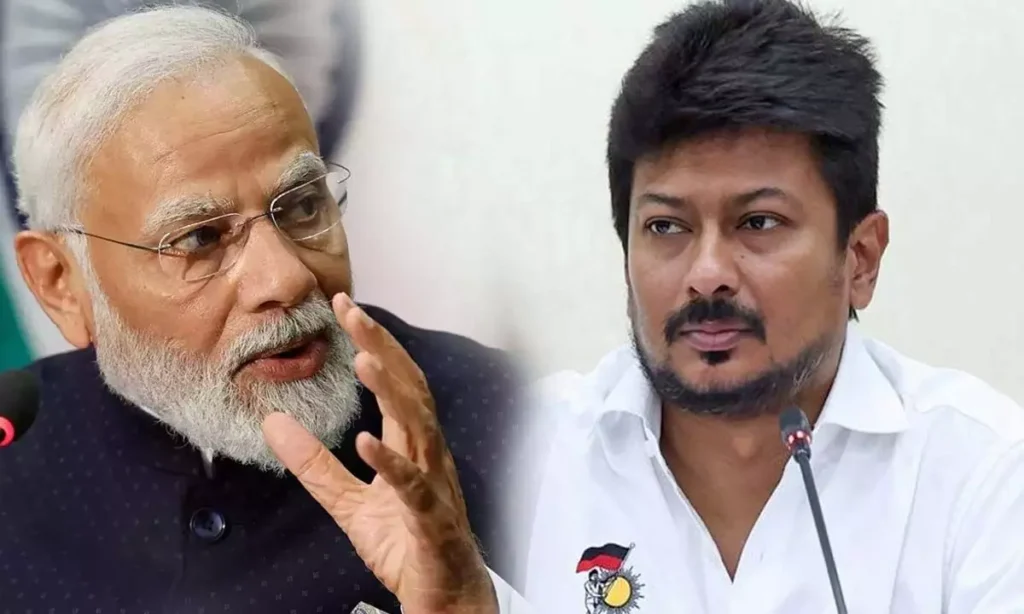
Udhayanidhi Stalin, the prominent political figure and son of Tamil Nadu Chief Minister MK Stalin, has unleashed a detailed and scathing attack on Prime Minister Narendra Modi and the Indian government. This vehement response comes in the wake of Udhayanidhi Stalin being booked for his remarks concerning ‘Sanatan Dharma.’ In his four-page letter, he raises serious allegations, suggesting that the government is strategically using the term ‘Sanatan’ as a diversion tactic to shift attention away from critical national issues.
Chief Minister Stalin Stands by His Son
Amidst the escalating controversy, Tamil Nadu’s Chief Minister MK Stalin has come out in unwavering support of his son, Udhayanidhi Stalin. He asserts that his son’s comments were a mere expression of personal views, emphasizing the importance of freedom of speech and expression.
Priyank Kharge’s Unfazed Response
In a separate yet related incident, Priyank Kharge, another political figure, has faced an FIR (First Information Report) for his statement, “any religion that does not promote equality and does not ensure that you have the dignity of being a human is not a religion, according to me.” In response to the legal action, Kharge remains resolute, stating, “I don’t care.”
Hashtags Highlight Key Themes
The use of hashtags such as #SanatanDharma, #Udhayanidhi, #MKStalin, #PoliticalDefense, #Support, #PriyankKharge, #NarendraModi, #ModiGovernment, #DMK, #BJP, #India, #ReligiousDebate, #TamilNadu reflects the various facets and themes within this burgeoning political controversy.
In-Depth Coverage and Analysis
This comprehensive coverage dives deep into the ongoing political imbroglio surrounding statements made about ‘Sanatan Dharma’ by both Udhayanidhi Stalin and Priyank Kharge. The debate not only involves prominent figures from different political parties but has also ignited discussions on religious perspectives and the broader theme of equality.
A 360-Degree View of Current Affairs
Hindustan Times Videos, dedicated to providing news, views, and explainers on current issues in India and around the world, use innovative technological tools to deliver news rapidly and comprehensively. Their approach provides audiences with a well-rounded understanding of the dynamic world around them.
There are speculations that the Special Session of Parliament called by the government later this month may discuss or table the proposal of changing India’s name to Bharat for all official purposes.
The Narendra Modi administration’s decision to rename India as Bharat has generated much publicity as a result of the G20 dinner invitations that President Droupadi Murmu sent out referring to herself as “President of Bharat.” According to several reports, the government used the phrase “Prime Minister of Bharat” in official correspondence while Modi was in Greece last month. ‘Bharat’ is also written on the identification cards of the employees of the G20 meeting.
A recent article claims that the choice to leave India for Bharat will cost the national exchequer a significant amount of money, despite the fact that there have been several rumors and there has been no official confirmation or denial as of yet. The Outlook reported that the switch from “India to Bharat” will cost an astounding Rs 14,304 crore. According to the study, the calculations were made using a model created by IP attorney Darren Olivier.
The model was developed by a South African-based legal expert when estimating the expense of Swaziland’s 2018 decision to change its name to Eswatini. The expense of renaming the nation, according to Oliver, is very comparable to the rebranding effort of a major corporation.
However, if a company decides to rebrand, it will likely cost about 10% of the company’s overall marketing budget. Oliver has estimated that the Swaziland to Eswatini rebranding project would have cost $60 million in 2018.
The same method was used to analyze India in the Outlook report. According to the Outlook research, using the Oliver method would cost a staggering Rs 14,304 crore, which is based on India’s projected fiscal revenue receipts for 2023 (Rs 23.84 lakh crore).
There are rumors that the idea to rename India to Bharat for all official purposes may be discussed or put on the agenda of the special session of Parliament that the government has convened for later this month.
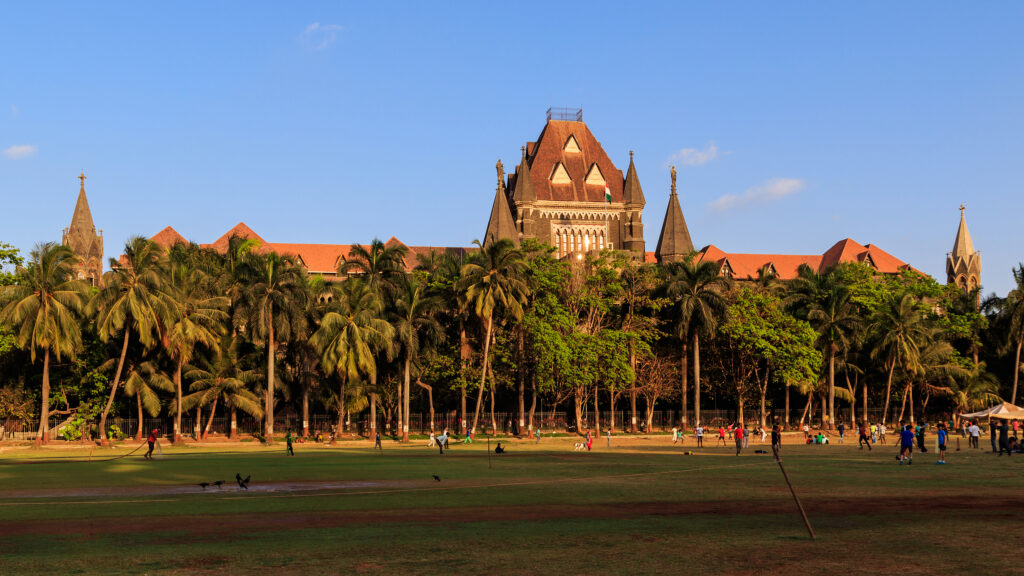
In a recent development, the Bombay High Court has decided to drop contempt of court proceedings against five high-ranking State government officers who faced legal action for non-compliance with court orders. This decision came after the officers personally appeared in court and tendered their apologies.
Court’s Disapproval of Officer Conduct
A Bench consisting of Justices GS Kulkarni and Jitendra Jain expressed disapproval of the conduct of high-ranking officers who failed to comply with court orders. The judges emphasized that such actions could convey to citizens that court orders were not binding.
All five officers appeared in court and formally apologized for their actions. The Advocate General, Dr. Birendra Saraf, acknowledged the delay in compliance but highlighted that the orders were eventually followed. He also pointed out that these officers did not face contempt proceedings in any other court.
Accepting the apologies, the Bench decided to drop the contempt proceedings against the officers. It’s worth noting that on August 31, 2023, the same Bench had sentenced these officers to one month of civil imprisonment for contempt of court.
Officers Involved
The five officers involved in this case were:
Aseem Gupta (former Principal Secretary of Relief and Rehabilitation Department)
Bijaysinh Deshmukh (Pune Additional Collector)
Uttam Patil (Deputy Collector in Rehabilitation Department)
Sachin Kale (Revenue Officer)
Praveen Salunkhe (Land Acquisition Department)
Proposed Changes in Procedure
During the hearing, Justice Kulkarni suggested considering a provision where ‘last-minute apologies’ through affidavits are not accepted. The Court discussed the possibility of allowing officers to file undertakings within the administration, detailing any previous contempt proceedings against them. This would help identify if an officer had a history of disobeying court orders.
Call for a Special Cell
The Court advised the State government to establish a special cell to coordinate with lawyers on the numerous cases related to land acquisition. It emphasized that relying solely on Collectors was insufficient and that many individuals were awaiting justice in land acquisition matters.
Background of Contempt Petitions
The contempt petitions stemmed from 26 farmers who claimed that the State had not allocated land to them as project-affected persons, as directed by a High Court order from March 2022. Despite receiving notices, the officers failed to respond, leading to the contempt proceedings.
Stay Granted and Resolution
After Senior Advocate Milind Sathe requested a stay on behalf of the contemnors, the Court granted the officers one last chance and stayed its previous order for a week, ultimately leading to the resolution of the case.
The G20 Summit in Delhi witnessed the unveiling of the world’s tallest Nataraja statue at Bharat Mandapam. This extraordinary sculpture stands at an impressive height of 27 feet and weighs a substantial 18 tons, marking it as a remarkable achievement as the tallest ever crafted from Ashtadhatu.
Artistry by Renowned Sculptor Radhakrishnan Sthapaty
Renowned artist Radhakrishnan Sthapaty from Swami Malai in Tamil Nadu, along with his team, skillfully sculpted this magnificent statue in a mere seven months. Prime Minister Modi expressed his appreciation, stating, “The splendid Nataraja statue at Bharat Mandapam vividly embodies facets of our rich history and culture. As the world converges for the G20 summit, it will serve as a symbol of India’s enduring artistic traditions and heritage.”
Unique Features of the Nataraja Statue
Let’s explore the distinctive features of the Nataraja Statue installed at Bharat Mandapam:
Historic Height and Weight: Standing at a towering 27 feet and weighing an impressive 18 tons, this statue is an unparalleled achievement in Ashtadhatu sculpture.
Legacy of the Radhakrishnan Family: Craftsmanship has been a part of the Radhakrishnan family’s heritage for 34 generations, dating back to the Chola Empire.
Symbolism of Nataraja: The Nataraja statue symbolizes profound concepts of cosmic energy, creativity, and power, making it a captivating centerpiece at the G20 summit.
Collaboration with Ministry of Culture: This remarkable endeavor was undertaken by the Ministry of Culture in collaboration with IGNCA.
Dynamic Dance Posture: The statue portrays Lord Shiva in the dynamic dance posture called tandava, radiating energy and vitality.
Materials Used: Crafted from a blend of eight metals, including copper (87%), zinc (10%), lead (3%), with trace amounts of tin, silver, gold, and even a minute quantity of mercury. Iron serves as the structural support material for the statue.