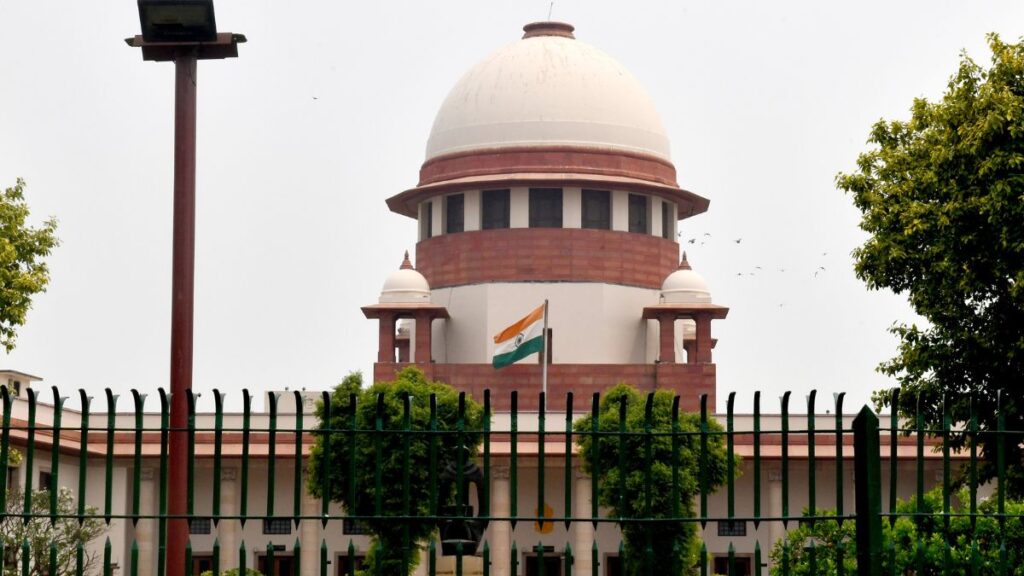
The Supreme Court emphasized that it needs to investigate whether the convicts in the Bilkis Bano gangrape case received preferential treatment in their early release from prison, rather than solely focusing on the nature of the crime or evidence. This statement came during a hearing on pleas challenging the Gujarat government’s decision to grant remission to 11 convicts involved in the 2002 Gujarat riots case, where Bilkis Bano was gang-raped, and her family members were murdered.
Questioning Preferential Treatment While acknowledging that the nature of a crime and evidence are not the sole factors for considering remission, the bench of Justices BV Nagarathna and Ujjal Bhuyan questioned whether the convicts in this specific case had been treated differently. Justice Nagarathna asked if some convicts received preferential treatment, to which Senior Advocate Sidharth Luthra, representing the convicts, replied that not all convicts are the same.
Legal Perspective on Remission Luthra argued that remission cannot be denied solely based on the heinous nature of the crime. The bench clarified that the key issue is whether the convicts in this case were granted remission in accordance with the law. They emphasized that they are not reviewing the nature of the crime or evidence.
Examining Reintegration and Selective Application The Court had previously highlighted an accused’s constitutional right to be reintegrated into society. It also questioned the selective application of remission policies by the Gujarat and Central governments.
Holistic Consideration of Remission In a related case, the Supreme Court emphasized the importance of considering applications for premature release holistically, noting that a trial judge’s opinion should not be mechanically applied when deciding on remission.
The hearing in the Bilkis Bano gangrape case will continue on September 20 at 3 PM, as the Court examines whether preferential treatment was accorded to the convicts in their early release.
Starting from October 1, birth certificates will become a singular document enabling citizens to access a wide range of services, including admission to educational institutions, marriage registration, driver’s license issuance, and government job appointments. The move is part of the Registration of Births and Deaths (Amendment) Act, 2023, aimed at enhancing efficiency and transparency in public service delivery and digital registration.
Implementation Date Announced The Union Home Ministry disclosed the implementation date for the Registration of Births and Deaths (Amendment) Act, 2023, which empowers the Registrar General of India to maintain a national database of registered births and deaths. This database will be accessible to chief registrars appointed by states and local registrars appointed for specific areas. A similar state-level database will also be maintained.
Expanding the List of Specified Persons The Act expands the list of specified persons responsible for reporting births and deaths. It now includes adoptive parents for non-institutional adoption, biological parents for births through surrogacy, and the single parent or unwed mother in the case of childbirth. These specified persons will provide the Aadhaar numbers of the parents and the informant.
Utilization of the National Database Apart from streamlining services, the national database may be used for other purposes, including population registers, electoral rolls, and ration cards, subject to central government approval. Local databases will serve state-level authorities dealing with various databases, contingent on state government approval.
Appeal Mechanism The Act introduces an appeal mechanism. If an individual is dissatisfied with any action or order by registrars, they can file an appeal within 30 days. The concerned officials must provide their decision within 90 days from the date of the appeal.
Enhancing Data Reporting Previously, reporting births and deaths required specific individuals to report to registrars. The new Act mandates the specified persons to provide the Aadhaar number of parents and informants in cases of births, further integrating Aadhaar into the documentation process.
This initiative aims to create a unified, efficient, and transparent system for availing government services and benefits while leveraging the Aadhaar system for streamlined record-keeping.
During a congressional hearing in Mexico, two alleged non-human alien corpses were presented to politicians, researchers, and experts. While some speculated about extraterrestrial origins, many experts found the claims unsubstantiated and the corpses “way too humanoid” to be aliens. The specimens were reportedly discovered in Cusco, Peru, and estimated to be around 1,000 years old.
UFO Researcher’s Claims UFO researcher and journalist Jaime Maussan testified that nearly one-third of the corpses’ DNA is “unknown,” suggesting they are not part of terrestrial evolution. He asserted that they were not recovered from a UFO crash but were found in diatom (algae) mines and later fossilized. Maussan claimed that experts at the Autonomous National University of Mexico examined the specimens, using radiocarbon dating to gather DNA evidence and X-rays revealing one of them contained “eggs.”
Skepticism and Scientific Critique Physicist and presenter Professor Brian Cox expressed skepticism, stating that the specimens appeared too humanoid to be aliens. He argued that it was highly unlikely for an intelligent species from another planet to resemble humans. Cox also criticized the lack of rigorous scientific analysis, suggesting that sending a sample for genetic testing to institutions like 23andMe or local universities would provide more conclusive results.
Ryan Graves’ Perspective Former US Navy pilot Ryan Graves, who previously highlighted the underreporting of UFOs (unidentified anomalous phenomena), was also present at the congressional meeting. He shared the skepticism and disappointment regarding the alien claims.
In summary, while claims of alien corpses sparked intrigue at the Mexico congressional hearing, experts remain highly skeptical, emphasizing the need for rigorous scientific scrutiny and evidence to substantiate such extraordinary assertions.
Three individuals have been apprehended in Gautam Budh Nagar for their alleged involvement in a ₹2.54 crore online trading scam that targeted a retired government officer. The suspects enticed the victim to invest money in a forex trading website, promising substantial returns. The primary suspect, who accessed the bank accounts from Dubai, remains unidentified and at large. Investigations have revealed that the gang established multiple fraudulent businesses and bank accounts in Delhi over the past two years. The arrested suspects are facing charges of cheating, forgery, and violations of relevant sections of the IT Act.
The Gautam Budh Nagar cybercrime police arrested three individuals on Tuesday for reportedly defrauding a retired government officer in Noida of ₹2.54 crore through an online trading scam, as per police reports on Wednesday.
According to law enforcement, the victim, Anil Sharma, a retired central government official, was lured into investing in a forex trading website called www.lexatrade.com.
“The fraudsters contacted him through a video call and persuaded him to double his investments. To gain Sharma’s trust, they initially returned ₹15 lakh to his bank account. Sharma then invested more money, but he received no returns and ultimately lost ₹2.54 crore,” explained Reeta Yadav, in charge of the Cyber Crime police station.
An FIR was filed in the case on March 24, following a complaint by Sharma at the Cyber Crime police station.
The three arrested suspects on Tuesday were identified as Vijay Sharma (56), Hemant Singharia (30), and Tarun Kashyap (35), all residents of Delhi.
During the investigation, it was discovered that the bank accounts to which the defrauded money was transferred were accessed from Dubai by the primary suspect, who has yet to be identified and apprehended.
“The police investigation uncovered that the gang rented some shops in Delhi and registered fake businesses at those addresses. They then opened bank accounts in the name of these businesses. When the GST number for each firm was examined, it was found that 15 to 20 bank accounts had been opened. In the past two years, the suspects established a total of 150 businesses,” the officer stated.
She further revealed that Vijay was responsible for opening the bank accounts, Hemant facilitated the registration of fake businesses for GST, and Tarun was tasked with obtaining GST numbers for the businesses.
“For every account Vijay created, the main suspect in Dubai provided him with ₹1 lakh, which he was responsible for distributing to Hemant and Tarun,” Yadav added.
The suspects are facing charges of cheating, forgery, and violations of relevant sections of the IT Act.
“The suspects were presented before the court on Tuesday and remanded to judicial custody. Further investigation is ongoing,” the officer concluded.
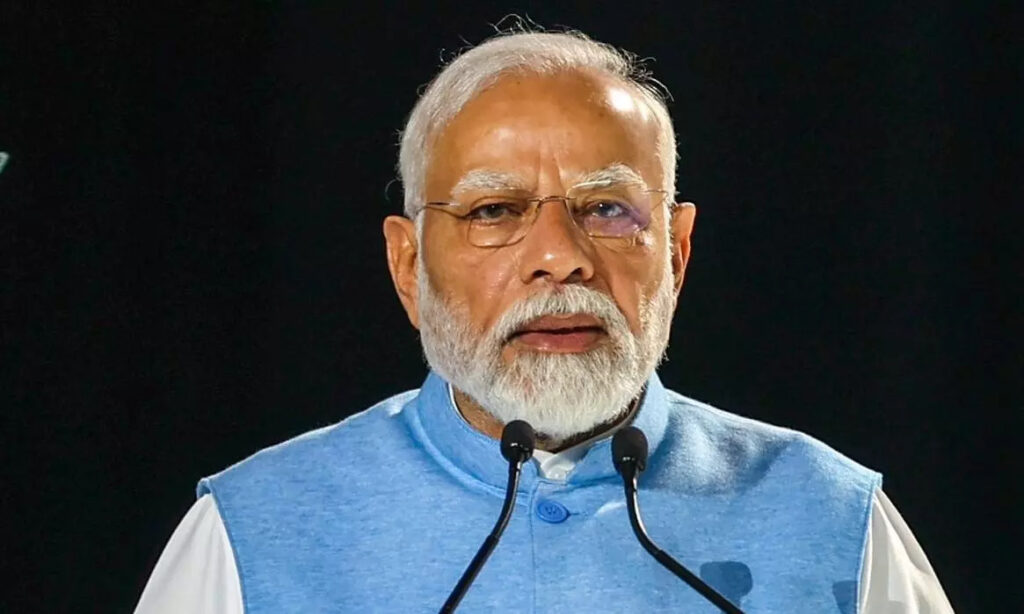
Prime Minister Narendra Modi is scheduled to visit Madhya Pradesh and Chhattisgarh, both of which are gearing up for Assembly Elections later this year. These elections are part of a larger electoral landscape that includes Rajasthan, Mizoram, and Telangana. During his visit, PM Modi will inaugurate two significant development projects.
In an official statement, PM Modi announced the inauguration of a petrochemical complex at the Bina refinery in Madhya Pradesh, with an estimated cost of Rs 50,700 crore. This project encompasses the construction of ten additional industrial facilities that will generate power and renewable energy across the state in the near future. Additionally, the program includes the launch of two IT parks in Indore, a major industrial park in Ratlam, and the establishment of six new industrial areas throughout Madhya Pradesh.
PM Modi will also visit neighboring Chhattisgarh, where he is slated to inaugurate key sectoral projects in Raigarh. These socioeconomic developments comprise the Chhattisgarh East Rail Project Phase-I, the third rail line connecting Champa and Jamga, the third rail line between Pendra Road and Anuppur, and the MGR (Merry-Go-Round) system linking the Talaipalli Coal Mine to the NTPC Lara Super Thermal Power Station (STPS).
The Chhattisgarh East Rail Project Phase-I is part of the PM Gati Shakti-National Master Plan, aimed at enhancing transportation infrastructure and alleviating traffic congestion in the region. The railway tracks span 124.8 km from Kharsia to Dharamjaygarh, passing through Gare-Pelma, Chhal, Baroud, Durgapur, and other coal mines. The railway project is valued at Rs 3,055 crore, with a total cost of around Rs 6,350 crore.
During his visit, PM Modi will also address healthcare sector developments and the issue of sickle cell disease among tribal communities. Under the National Sickle Cell Anaemia Elimination Mission (NSAEM), launched in July 2023 in Shahdol, Madhya Pradesh, PM Modi will distribute one lakh sickle cell counseling cards to the screened population.
The Central government has announced an all-party meeting scheduled for September 17, a day before the Special Session of Parliament commences later this month. Union Parliamentary Affairs Minister Pralhad Joshi, in a message on social media platform X (formerly known as Twitter), stated that the meeting would commence at 4:30 PM.
“Ahead of the parliament session scheduled for the 18th of this month, an all-party floor leaders meeting has been convened on the 17th at 4.30 PM. Invitations for the meeting have been sent to concerned leaders via email, with formal letters to follow,” Joshi communicated on X.
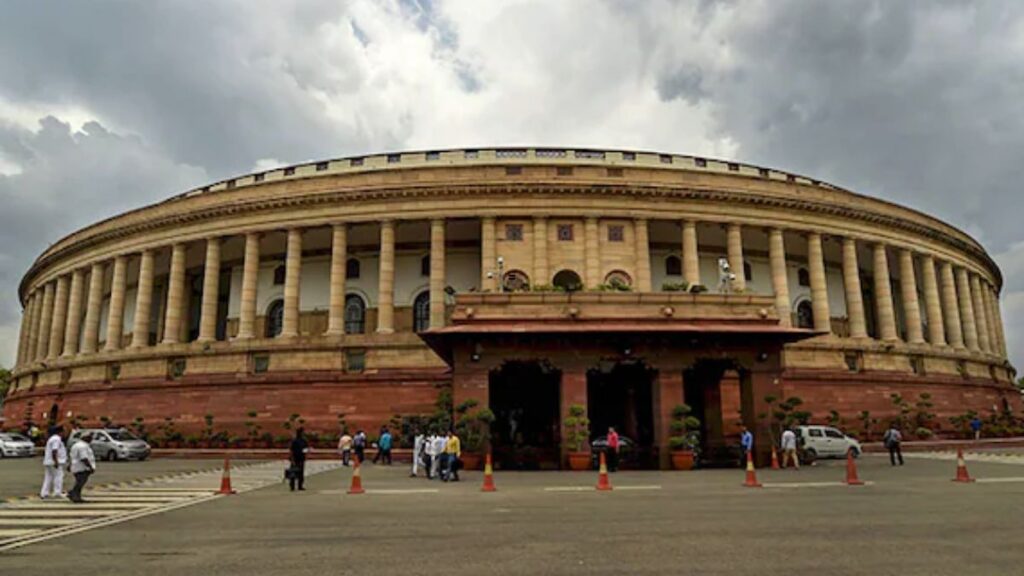
In a surprise move, the central government has disclosed that a five-day Special Session of Parliament will be held from September 18 to 22, encompassing five sittings. However, the specific agenda for this session has not been disclosed.
Parliamentary Affairs Minister Pralhad Joshi shared the government’s decision via Twitter, saying, “A Special Session of Parliament (the 13th Session of the 17th Lok Sabha and the 261st Session of Rajya Sabha) is scheduled from September 18th to 22nd, featuring 5 sittings. During this auspicious time, we look forward to productive discussions and debates in Parliament.”
This Special Session comes in the wake of the G20 Summit held in the national capital on September 9-10.
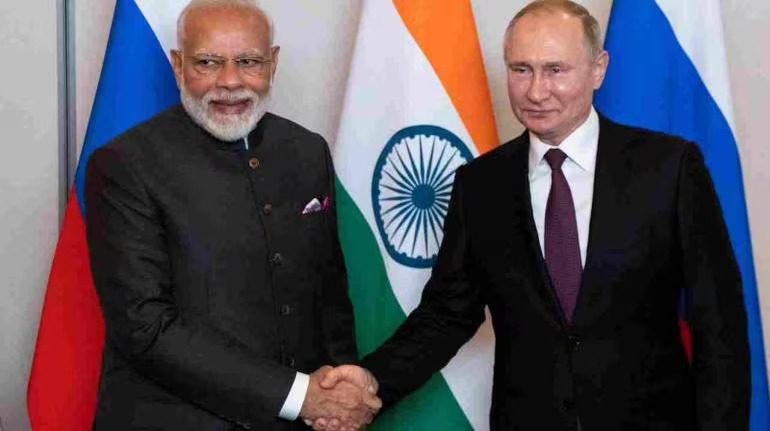
Russian President Vladimir Putin commended Prime Minister Narendra Modi’s policies in Vladivostok, specifically praising India’s “Make in India” program. He emphasized the importance of domestically manufactured automobiles and cited India as an example in this regard.
Putin stated that India, under PM Modi’s leadership, has set a positive precedent with its policies. He noted that while Russian-made cars are available, it is perfectly acceptable to use them. He mentioned that this practice would not violate any World Trade Organization (WTO) obligations and would primarily apply to state purchases.
Putin expressed admiration for India’s focus on promoting and utilizing Indian-made vehicles and endorsed Prime Minister Modi’s efforts in advancing the “Make in India” initiative.
Additionally, Putin discussed the India-Middle East-Europe Economic Corridor (IMEC), stating that it holds significant benefits for Russia and does not pose any obstacles. He emphasized the importance of this project for logistics development in Russia and mentioned that the IMEC has been under discussion for several years.
The United States recently joined this economic corridor project, along with the European Union, Saudi Arabia, and India. Putin acknowledged this development but expressed skepticism about its relevance to the United States, suggesting that their participation may be primarily driven by business interests.
Overall, Putin welcomed the IMEC project as a means to enhance logistics and connectivity, viewing it as a positive development for Russia and an extension of the North-South project. He concluded that he saw no significant impediments to Russia in this endeavor.
The India-Middle East-Europe Economic Corridor, a groundbreaking initiative for connectivity and infrastructure, was officially announced during the G20 Summit in New Delhi, with the participation of India, the United States, Saudi Arabia, the European Union, and several European countries. This corridor aims to facilitate shipping and railway connectivity between India, the Middle East, and Europe, fostering economic integration in these regions. Prime Minister Narendra Modi described it as a historic and significant agreement.
The Supreme Court has asked the Ministry of Home Affairs to prepare a manual on how police should brief the media about criminal cases. The court is concerned about the impact of “media trials” on the administration of justice. A media trial is when the media reports on a criminal case in a way that prejudices the outcome of the case. The court wants to ensure that police briefings do not result in media trials.
The court has also asked the Director Generals of Police (DGPs) of all states to submit their suggestions for the manual. The court has also asked the National Human Rights Commission (NHRC) to provide input on the matter.
The court said that the issue of media trials is important because it affects the interests of the victim, the accused, and the public at large. The court also said that media reports on crime-related matters can involve many aspects of public interest.
“In its fundamental essence, the right to freedom of speech and expression, as well as the media’s right to convey ideas and news, are intertwined. However, caution must be exercised to prevent a ‘media trial.’ People have a legitimate right to access information, but if crucial evidence is disclosed during an investigation, it can impact the course of the investigation,” as reported by NDTV, the apex court stated.
This case pertains to two crucial matters: firstly, the procedures to be followed by the police during encounters, and secondly, the protocols that police must adhere to when conducting media briefings during ongoing criminal investigations. While the former issue was addressed in the 2014 judgment of PUCL v. State of Maharashtra, the Court’s current focus is on the latter.
The Supreme Court was examining a petition related to a 2017 directive on the same subject. At that time, the court had instructed the government to establish rules for police briefings that respect the rights of both the accused and the victim, ensuring that neither party is prejudiced or violated in any way. The court had given a six-week deadline to produce a draft report.
The court emphasized that the accused under investigation is entitled to a fair and impartial inquiry, and at every stage, they are presumed innocent. The court expressed concerns about media reports that implicate the accused, deeming such reports as unfair.
In March, the Chief Justice of India (CJI) urged journalists to uphold standards of accuracy, impartiality, and responsibility in their reporting. The CJI noted that selective quoting of speeches and judgments can distort the public’s understanding of important legal matters, emphasizing the complexity and nuance of judges’ decisions.
The government, represented by Additional Solicitor General Aishwarya Bhati, assured the court that guidelines for police briefings to the media will be formulated and released. She stated, “The government will provide updates to the court.”
The court raised questions about how the police should be trained for media briefings and inquired about the government’s actions regarding their 2014 instruction.
Senior lawyer Gopal Shankaranarayan, acting as an amicus curiae, referred to sensationalized media reports related to the Aarushi case and concurred that while the media cannot be prevented from reporting, the police need to be sensitive in their interactions with the media.
The case is scheduled for the next hearing in the second week of January 2024.
The G20 Summit 2023, hosted by India, showcased the country’s diplomatic prowess and garnered praise from diplomats worldwide. Prime Minister Modi’s leadership was commended for fostering consensus among the diverse bloc and laying the groundwork for future collaboration. This summit underscored India’s growing global influence, with experts suggesting that only India could have achieved such a comprehensive consensus.
African Union’s Inclusion
The G20 summit formalized the inclusion of the African Union (AU) as a permanent member, alongside the European Union, expanding representation from the Global South. This move aimed to reduce the dominance of G7 countries and enhance the inclusivity of the G20.
Global Biofuel Alliance
Prime Minister Modi inaugurated the Global Biofuels Alliance, a significant milestone of India’s G20 presidency agenda. This alliance, led by India, the United States, and Brazil, promotes international collaboration, sustainable biofuel adoption, and global biofuels trade.
Softer Stance on Ukraine Conflict
The G20 nations agreed to avoid acquiring territory through force, acknowledging the suffering in Ukraine. While not directly criticizing Russia, this marked a shift from the previous year’s condemnation, signaling a commitment to refrain from territorial aggression.
India-Middle East-Europe Corridor
Leaders from the US, India, and Saudi Arabia announced plans for rail and port connections between the Middle East, South Asia, and Europe, offering an alternative to China’s Belt and Road projects.
Climate Change Commitments
The G20 aimed to triple renewable energy capacity by 2030 and acknowledged the need to phase out unabated coal power. However, specific goals and policy amendments were not outlined. Britain pledged $2 billion to the Green Climate Fund, assisting developing nations in addressing climate challenges.
The New Delhi Declaration
The G20 embraced the New Delhi Leaders Summit Declaration, emphasizing adherence to international law, peaceful conflict resolution, and diplomacy.
Modi’s Diplomatic Triumph
Leading the G20 allowed Prime Minister Modi to position India as a diplomatic and economic power, boosting his domestic image as he sought a third term in office. India’s successful hosting marked a pivotal moment on the global stage.
Apple’s highly-anticipated ‘Wonderlust’ event took place at the company’s Cupertino headquarters in California, unveiling the iPhone 15 and a new series of Apple Watches. The event, hosted by CEO Tim Cook, showcased the latest advancements in Apple’s technology lineup. As expected, the internet, particularly on platforms like X (formerly Twitter), exploded with humorous memes and reactions to the iPhone 15 launch.
iPhone 15 Features and Changes Apple’s iPhone 15 series boasts a titanium body, a Super Retina XDR display, and the powerful A16 Bionic chip. It offers a range of vibrant colors and sizes for buyers to choose from, including a notable introduction of a USB-C-type charging connector for the new series. While the iPhone 15 has garnered attention for its technological advancements, Apple’s pricing remains a hot topic, with models ranging from around Rs. 80,000 to Rs. 1 lakh.
Internet’s Response: Memes Galore The internet had a field day with the iPhone 15 launch, creating memes that humorously addressed various aspects of the event. Some users joked about the need to sell kidneys to afford the new flagship phones, while others attempted to spot the differences between the older iPhone versions and the newly-launched ones. Additionally, Apple’s emphasis on sustainability and the use of recycled materials in its devices also became meme-worthy themes.
Conclusion: A Laugh at the End The ‘Wonderlust’ event may have introduced cutting-edge technology, but it also provided ample fodder for internet humor. From poking fun at prices to highlighting sustainability efforts, these memes capture the essence of the event in a light-hearted and entertaining way.